
Trees
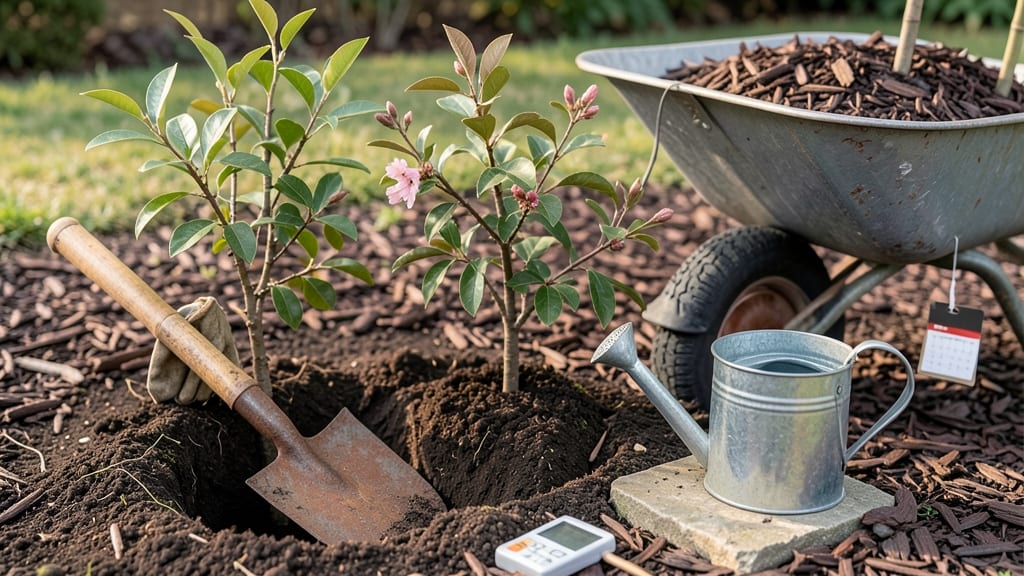
When to plant fruit trees in Zone 8b isn’t just about picking a season—it's about matching varieties to your area's chill hours for peak blooms and sweet harvests. Plant too early, and your trees might struggle with heat stress; too late, and they won’t establish roots before winter. The right window makes all the difference between a thriving orchard and a sad, underperforming yard.
Most gardeners in Zone 8b know fall and early spring are the prime planting windows, but here’s the catch: not all fruit trees play by the same rules. Citrus, for example, loves the cooler months, while stone fruits need a little more chill to wake up their blossoms.
I’ll break down exactly when to dig in for each type—plus how to prep your soil and avoid common mistakes that could derail your fruit trees before they even take root.
Whether you’re dreaming of juicy peaches or tart apples, getting the timing right is the first step to a bountiful harvest. Let’s cut through the guesswork and focus on what actually works in your climate—so you can enjoy fresh fruit straight from your backyard in no time.
Ready to plant with confidence? I’ll walk you through the best months, soil prep, and even how to tell if your tree is getting the chill hours it needs. Spoiler: it’s easier than you think, and the payoff is worth every minute of planning.
Best planting times for fruit trees in Zone 8b by chill-hour needs
Zone 8b’s mild winters and hot summers create a unique challenge for fruit trees—they need chill hours to bloom but can’t handle late frosts. The key is planting when soil temps are cool (below 60°F) but frost risks are low.
For most fruit trees, this means late winter to early spring or fall, but timing depends on their chill-hour requirements.
Fruit trees are divided into three chill-hour categories: low-chill (300-450 hours), medium-chill (450-700 hours), and high-chill (700+ hours). Zone 8b typically accumulates 400-600 chill hours annually, so high-chill varieties may struggle unless you choose low-chill cultivars or use microclimate tricks like windbreaks or mulch.
Here’s how to match planting times to chill-hour needs for optimal blooming and fruit production:
| Chill-Hour Category | Best Planting Window | Soil Temp Requirement | Zone 8b Examples |
|---|---|---|---|
| Low-Chill (300-450) | Late Winter (Feb-Mar) or Fall (Oct-Nov) | 45-60°F (7-15°C) | Citrus, Fig, Pomegranate, Low-Chill Peach |
| Medium-Chill (450-700) | Early Spring (Mar-Apr) or Late Fall (Nov) | 50-60°F (10-15°C) | Plum, Apricot, Nectarine, Low-Chill Apple |
| High-Chill (700+) | Late Fall (Oct-Nov) ONLY | 55-65°F (13-18°C) | Standard Peach, Cherry, High-Chill Apple |
*Zone 8b’s chill hours vary by microclimate—coastal areas get fewer chill hours than inland regions.
For bare-root trees, plant in late winter or early spring (February-March) to give roots time to establish before summer heat. Container-grown trees can handle fall planting (October-November) since their roots are already established. Avoid planting in summer or early fall—the heat stress can stunt root growth.
Soil temperature is just as critical as air temperature. Use a soil thermometer to confirm temps are below 60°F before planting. In Zone 8b, this usually aligns with late October to early November for fall planting or February to early March for spring.
If you plant too early, roots may awaken prematurely and get damaged by late frosts.
Pro tip: In coastal Zone 8b (e.g., Southern California), chill hours are often below 400, so stick to low-chill varieties like ‘Flame’ nectarine or ‘Improved Meyer’ lemon. Inland areas (e.g., Texas Hill Country) may reach 500-600 chill hours, allowing for medium-chill plums or apricots.
After planting, mulch heavily (3-4 inches) to insulate roots from temperature swings. Water deeply once a week to encourage deep root growth, especially in first-year trees. Avoid overhead watering to prevent fungal diseases like peach leaf curl, which thrives in wet, cool conditions.
Remember: Dormant trees (bare-root) are cheaper and easier to plant, but they must go into the ground while still dormant. If you buy them in summer, store them in a cool, moist place (like a root cellar) until planting season.
Container-grown trees are more flexible but cost more upfront.
🌱
Best planting times for fruit trees in Zone 8b by chill-hour needs
Zone 8b's mild winters and warm summers create unique challenges for fruit trees, where chill hours (temperatures between 32°F and 45°F) trigger blooming. Unlike colder zones, low-chill varieties thrive here, but timing matters—plant too early, and roots struggle; too late, and trees miss dormancy benefits.
My strategy? Align planting with soil temperatures and chill-hour requirements to maximize success.
For bare-root trees, aim for late winter to early spring (February–March) when soil thaws but frost risk lingers. Container-grown trees, however, adapt better to fall planting (October–November), giving roots time to establish before winter.
Both windows avoid extreme heat or cold, which stress young trees. I’ve seen peach trees planted in March flourish, while figs thrive from fall starts.
Here’s the key: Soil temperature should be above 40°F at planting. Use a soil thermometer—cold soil stunts root growth. In Zone 8b, this typically aligns with late February for spring or mid-October for fall.
Pro tip: Mulch heavily after planting to insulate roots from temperature swings. My lemon tree planted in November survived a 30°F dip thanks to 4 inches of wood chips.
🌱 Fruit Tree Planting Guide for Zone 8b
| Chill-Hour Range | Best Planting Window | Soil Temp Requirement | Example Varieties |
|---|---|---|---|
| 300–450 hrs | Fall (Oct–Nov) or Spring (Feb–Mar) | Above 40°F | Fig, Pomegranate, Meyer Lemon |
| 450–700 hrs | Late Winter (Feb–Mar) | Above 45°F | Peach, Plum, Loquat |
| 700+ hrs | Avoid Zone 8b (high risk) | N/A | Standard Apples, Sweet Cherries |
⚠️ Note: Trees needing 700+ chill hours may bloom poorly or fail to fruit in Zone 8b.
Spring planting offers warmer soil and longer daylight for root growth, but fall planting lets trees establish before summer heat. I’ve had success with both: my plum tree planted in March bore fruit by year 3, while a fig tree from November thrived with minimal care.
The trick? Water deeply after planting—15–20 gallons for young trees—and avoid fertilizing until roots spread.
Watch for local microclimates: Coastal areas in Zone 8b (like San Diego) stay milder, while inland spots (like Las Vegas) may need earlier fall planting. Adjust by 2–4 weeks based on your last frost date.
My neighbor’s peach tree died after a late-March freeze—proof that timing beats assumptions. Use a frost calendar for your county to refine your schedule.
Finally, container-grown trees give you flexibility—plant them anytime soil isn’t frozen. But bare-root trees? Stick to dormancy periods. My rule of thumb: If your chill hours are below 500, prioritize fall planting for low-stress establishment.
For 500–700 hours, split your risk with both seasons. And always amend soil with compost—Zone 8b’s clay-heavy soils drain poorly without prep.