
Plants
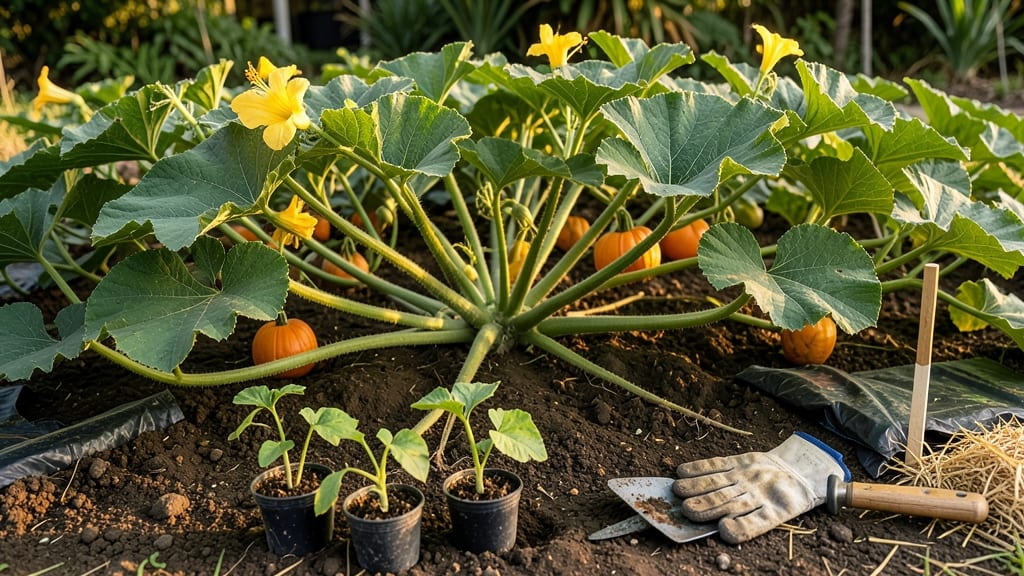
Planting pumpkins in South Carolina at the wrong time could mean losing your entire harvest to early frost or sweltering summer heat. The perfect window for starting your 🎃 seeds is between mid-April and early June, but knowing exactly when to plant depends on your specific zone and variety.
With South Carolina’s Zone 8a climate, you’ve got a longer growing season than most regions, but timing is everything. Plant too early, and your seedlings might get nipped by late frosts.
Too late, and your pumpkins won’t mature before the first frost hits in November. Let’s break down the ideal planting schedule so you can grow big, healthy pumpkins all season long.
Most gardeners in SC start pumpkin seeds directly in the ground after the last frost date—around March 15—but soil temperature matters just as much. Your seeds need warm ground (60°F) to germinate properly, which usually happens by late April.
We’ll cover the best methods for both direct sowing and transplanting to maximize your yield.
Whether you’re growing Sugar Pie for pies or Howden for carving, understanding these local growing conditions will help you avoid common mistakes and extend your harvest well into fall. Ready to get started?
South Carolina pumpkin planting calendar by zone 8A/8B (with frost dates)
Timing your pumpkin planting in South Carolina is all about avoiding early frost while taking advantage of the state's 210 frost-free days.
With Zone 8A/8B conditions, you can grow both summer and winter varieties, but the key is planting between mid-April and early June for optimal harvests between late September and November.
Most gardeners in SC focus on direct seeding after the last frost date (typically March 15), but soil temperature matters more than calendar dates. Pumpkin seeds need soil temps of 60°F+ to germinate, which usually aligns with late April in most areas.
For faster growth, consider starting seeds indoors 4-6 weeks before transplanting.
🎃 South Carolina Pumpkin Planting Timeline
| Stage | Action | Notes |
|---|---|---|
| Early April | Start seeds indoors (if using) | Use biodegradable pots for transplanting |
| Mid-April | Direct sow after last frost | Plant 1" deep, 2-3 seeds per hill |
| Late April-Early May | Transplant seedlings (if started) | Choose cloudy days to reduce transplant shock |
| May-June | Succession planting for late harvests | Plant every 2 weeks for extended season |
| Late September-October | Harvest before first frost | Look for hard rinds and dried stems |
For summer varieties like Sugar Pie (75-80 days to maturity), aim for mid-April planting to harvest by early September. Winter varieties like Howden (100+ days) need late April to early May starts for fall harvests.
The Clemson University Extension recommends spacing hills 4-6 feet apart to prevent disease in SC's humid climate.
If you're growing miniature varieties like Cinderella, you can plant as late as early June for small pumpkins that mature before frost. However, these will be more susceptible to powdery mildew in SC's late summer humidity, so use resistant varieties or apply neem oil preventatively.
One common mistake in SC is planting too early when soil temps are still cool. Cold soil delays germination and makes seedlings more vulnerable to damping-off disease. Always wait until nighttime temps stay above 55°F before planting, even if daytime temps are warm.
For container growing, choose bush varieties like Jack-Be-Little and plant in 5-gallon pots after the last frost. These thrive in SC's heat but require daily watering during dry spells, which are common in June-August.
Remember that South Carolina's coastal areas (like Charleston) have slightly longer growing seasons than inland zones, while the Upstate may experience earlier frosts. Adjust your planting window by 1-2 weeks based on your specific microclimate.
🎃
South Carolina pumpkin planting calendar by zone 8A/8B (with frost dates)
South Carolina’s Zone 8A/8B climate gives you a 210-day frost-free window, perfect for growing pumpkins. But timing matters—plant too early, and you risk cool soil and slow germination; too late, and your harvest may face early frost.
The sweet spot? Mid-April to early June, when soil temperatures consistently hit 60°F.
For direct seeding, wait until the last frost date (around March 15 in most areas) has passed. If you’re using transplants, start seeds indoors 4-6 weeks before your target planting date.
Popular varieties like Sugar Pie and Cinderella thrive in these conditions, while Howden pumpkins need a slightly longer season.
🎃 Pumpkin Planting Timeline for SC (Zone 8A/8B)
| Stage | Action | Notes |
|---|---|---|
| Early April | Start seeds indoors | Use seedling trays; keep soil at 80°F |
| Mid-April | Direct sow seeds | Plant 1 inch deep, 2-3 seeds per mound |
| Late April | Transplant seedlings | Hardy after last frost; space 3-5 ft apart |
| June-July | Succession plant | Extend harvest with late plantings |
| Late Sept-Nov | Harvest before frost | Rind hardens; stem dries |
In Zone 8A (cooler areas like the Upstate), aim for late April to early May planting to avoid spring rains that can drown seedlings. Zone 8B (coastal regions like Charleston) can start slightly earlier, but watch for humidity—pumpkins need airflow to prevent powdery mildew.
Always test soil temperature with a thermometer; below 55°F delays germination.
Pro tip: Use black plastic mulch to warm soil faster and retain moisture. This is especially helpful in sandy soils common in the Lowcountry, where moisture drains quickly. Pair it with a row cover for early plantings to shield seedlings from unpredictable spring frosts.
If you’re growing miniature varieties like Jack Be Little, you can push planting to late May for a fall harvest. Just ensure vines have 90 days to mature before the first frost (Nov 15). For standard varieties, stick to the April-June window to guarantee a full-sized pumpkin.
Remember: Soil prep is key. Amend clay-heavy soils with compost to improve drainage, and add a balanced 10-10-10 fertilizer at planting. South Carolina’s humid summers mean pumpkins need consistent watering—aim for 1-2 inches per week, especially during flowering.