
Vegetables
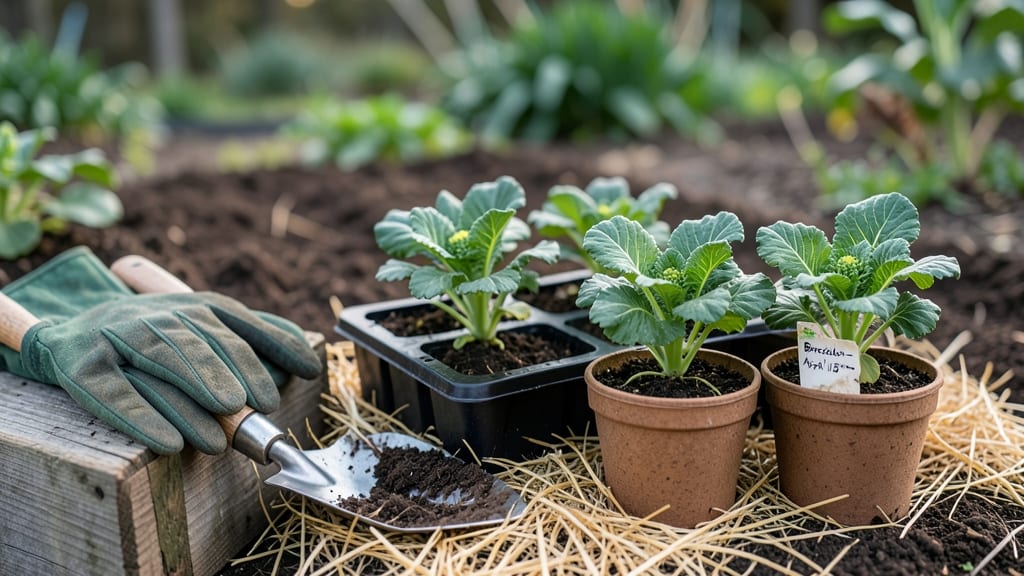
Timing your fall vegetable planting in Virginia can mean the difference between a thriving harvest and a frost-killed garden. Whether you're growing kale in the Piedmont or broccoli in the mountains, getting these deadlines right ensures you'll enjoy fresh produce straight from your garden.
I've spent years helping Virginia gardeners navigate these seasonal challenges, and the key is understanding your local microclimate. From the milder coastal regions to the cooler mountain valleys, each area has its own unique frost patterns that dictate when to plant for optimal results.
What you'll discover here are the exact planting windows tailored to Virginia's diverse growing zones. We'll cover everything from soil preparation to post-planting care, giving you the confidence to grow a fall garden that outlasts the first frost.
Let's dive into the strategies that will transform your garden from good to exceptional this autumn season. Your zero-frost harvest starts with these precise timing guidelines.
Virginia’s fall planting zones: when to start seeds vs. transplants by region
Virginia’s diverse climate—from the mountains’ cooler microclimates to the Piedmont’s milder zones—means no single planting date fits all. Understanding your USDA zone (5b-7a) and local frost patterns is key to timing fall vegetables perfectly.
For example, broccoli and kale thrive when transplanted 6-8 weeks before first frost, while carrots and radishes can handle cooler soil and often start earlier.
In Zone 5b (mountains), where first frosts hit by mid-October, aim to transplant cool-season crops by late July to early August. Meanwhile, Zone 7a (Tidewater) gardeners can push transplants until mid-September thanks to later frosts.
Even within regions, elevation and urban heat islands create microclimate variations—your neighbor’s frost date might differ by 1-2 weeks.
For direct-sown seeds, timing shifts slightly. Leafy greens like spinach and lettuce tolerate cooler soil and can start 4-6 weeks before transplants. Root vegetables, however, need consistent warmth to germinate, so plant them 2-3 weeks after the last summer heatwave.
Check Virginia Cooperative Extension’s local frost charts to pinpoint your area’s average first frost date—this is your backward countdown for planting.
Here’s how to match your region to the right planting window:
| Region | USDA Zone | Transplant Window | Direct-Sown Seeds | First Frost Avg. |
|---|---|---|---|---|
| Mountains (e.g., Roanoke) | 5b | Late July–early August | Mid-June–July | Mid-October |
| Piedmont (e.g., Charlottesville) | 6b | Early August–mid-September | Late June–August | Late October |
| Tidewater (e.g., Norfolk) | 7a | Mid-August–mid-September | Late July–September | Early November |
*Adjust for microclimates: Urban areas may frost 1-2 weeks earlier than rural zones.
For transplants, prioritize hardy greens like kale and collards—they handle cooler temps better than broccoli or cabbage. Start with 6-inch seedlings from nurseries, but harden them off for 5-7 days before planting to avoid transplant shock.
In Zone 5b, I’ve seen kale survive light frosts down to 25°F with a row cover, but broccoli bolts if temps dip below 30°F.
Direct-sown seeds like carrots and beets need consistent moisture to germinate, so plant them during predictable rainfall or use drip irrigation. In Zone 7a, I sow radishes every 2 weeks from August through September for a staggered harvest.
Thin seedlings to 2 inches apart to prevent competition—crowded roots lead to forked carrots or bitter greens.
Pro tip: Use biodegradable pots for transplants to avoid root disturbance. Pop them directly into the soil, pot and all, to protect young roots during Virginia’s unpredictable September weather shifts. If a heatwave hits after planting, shade seedlings with floating row covers to prevent wilting.
Soil temperature matters just as much as air temperature. Use a soil thermometer to confirm 50°F+ for seeds and 55°F+ for transplants. In Zone 6a, I’ve had spinach seeds fail to germinate when soil stayed below 45°F for 10 days.
Warm the soil with black plastic mulch if needed—it raises temps by 5-10°F.
Don’t overlook succession planting for fall crops. In Zone 7a, I plant bush beans in early August, then replace them with spinach in early September. This maximizes space and extends harvests. For
Critical fall planting deadlines for zero-frost harvests in Virginia
Timing your fall vegetable planting is all about beating frost while giving crops enough time to mature. In Virginia, the first frost typically arrives between October 15 and November 15, depending on your region.
For a zero-frost harvest, most cool-season crops need 60-90 days to reach maturity after transplanting.
Broccoli, for example, requires 75-90 days to harvest, so you’ll need to plant it by mid-August in the mountains or early September in the Piedmont. Spinach, on the other hand, matures in just 40-50 days, giving you a longer window—until late September—to sow seeds for a fall harvest.
🌱 Pro Tip: Use Virginia Cooperative Extension’s frost date maps to pinpoint your local cutoff. For instance, Roanoke’s average first frost is October 25, while Norfolk’s is November 10.
- 🥬 Leafy Greens (Lettuce, Spinach, Kale): Plant seeds 60-40 days before frost (August 20-September 20).
- 🥦 Broccoli, Cabbage, Cauliflower: Transplant 75-90 days before frost (August 1-August 15).
- 🥕 Carrots, Beets, Radishes: Sow seeds 50-70 days before frost (August 15-September 10).
- 🍅 Peppers & Eggplants (for late fall): Start indoors 100-120 days before frost (July 1-August 1).
- 🌿 Green Onions & Arugula: Direct-sow 30-50 days before frost (September 1-October 1).
Don’t wait until the last minute! Succession planting every 2-3 weeks after your initial sowing ensures a continuous harvest. For example, plant a batch of radishes in early September, then another in mid-September to enjoy fresh harvests through November.
If you’re unsure about your local frost date, err on the side of caution. Early September is a safe starting point for most Virginia gardeners, especially in USDA Zones 6b-7a. Check soil temperatures too—ideal planting conditions are 45-75°F for cool-season crops.
🌡️ Warning: Planting too late risks bolting (premature flowering) in heat-loving crops like lettuce. Use shade cloth if temperatures climb above 80°F after sowing.