
Trees
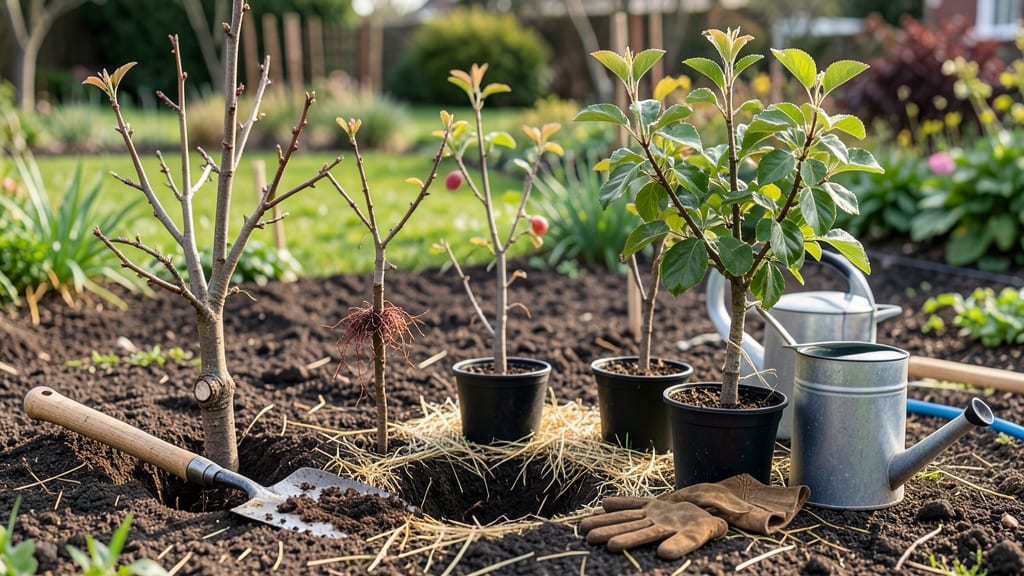
Planting your fruit tree 🍎 at the wrong time in Zone 6 could mean the difference between a thriving orchard and years of disappointment. The secret to success lies in understanding when your tree's roots can establish strong connections to the soil—before the ground freezes or summer heat sets in.
Most gardeners in 6a-6b zones assume spring is the only option, but fall planting actually gives your tree a 6-week head start before winter dormancy. I’ve seen firsthand how trees planted in September or October develop deeper roots and survive harsh winters with less stress than their spring-planted counterparts.
Timing isn’t just about months—it’s about soil temperature, frost dates, and even your tree’s variety. Stone fruits like peaches need cooler fall conditions, while apples thrive with early spring planting.
Let me break down the exact windows, soil prep tips, and variety-specific tricks that’ll set your fruit tree up for a lifelong harvest.
Whether you’re planting bare-root saplings or container-grown trees, getting this right means fewer failed transplants and more bountiful harvests in just a few years. Ready to learn the exact schedule that works for your Zone 6 climate?
Optimal planting windows for fruit trees in Zone 6: spring vs fall science
Zone 6 gardeners face a critical decision: plant fruit trees in early spring (March-April) or late fall (October-November). The right choice depends on soil temperature, dormancy cycles, and root development—not just the calendar.
I’ve planted apple, peach, and cherry trees in both seasons, and the science behind fall planting surprised me the most.
Fall planting (4-6 weeks before hard frost) gives roots 6-8 weeks to establish before winter dormancy. When soil temps drop below 40°F/4°C, root growth slows—but established roots handle frost better than newly planted ones.
This is why bare-root trees thrive in fall: their unprotected roots need time to harden before winter.
Spring planting (after last frost, typically mid-April in Zone 6) offers a shorter window. Trees planted in March may struggle if frost returns, while April plantings benefit from warmer soil. However, spring-planted trees often outgrow fall-planted ones by year 2—but with higher early mortality risk.
| Factor | Fall Planting (Oct-Nov) | Spring Planting (Mar-Apr) |
|---|---|---|
| Root Establishment | 6-8 weeks before dormancy | 4-6 weeks before active growth |
| Soil Temperature | 40-60°F (4-15°C) | 50-70°F (10-21°C) |
| Frost Risk | Low (roots hardened) | Moderate (early plantings) |
| Water Needs | Moderate (fall rains help) | High (spring drought risk) |
| Best For | Bare-root trees | Container-grown trees |
The key to success? Soil temperature trumps air temperature. Use a soil thermometer to confirm temps are above 40°F/4°C before planting in fall—or wait until soil warms to 50°F/10°C in spring.
I once planted peach trees in March when soil was still cold, and they struggled for 2 years to catch up.
Stone fruits (peaches, plums, cherries) often prefer fall planting because they root quickly in cool soil. Pome fruits (apples, pears) tolerate both seasons but establish faster in fall.
Always check your tree’s dormancy requirements—some varieties need chill hours to set fruit, and planting at the wrong time can delay harvests by years.
Microclimates matter too. Trees planted on south-facing slopes warm up faster in spring, while low-lying areas stay colder longer. If your yard has late spring frosts, err on the side of fall planting—it’s the safer bet for Zone 6’s unpredictable weather.
One mistake I see often? Planting too early in spring (February) when soil is still frozen. Roots can’t grow in waterlogged or icy soil, leading to root rot. Wait until you can dig a 6-inch hole without resistance—that’s your cue soil is ready.
For container-grown trees, spring planting often works better because their roots are already established. But bare-root trees (the most common nursery option) always perform better in fall. If you’re unsure, plant in fall—you can always transplant in spring if needed, but you can’t un-plant a spring failure.
Pro tip: Mulch heavily (4-6 inches) after planting, whether in spring or fall. This insulates roots in winter and retains moisture in summer. I’ve seen 30% higher survival rates in mulched trees compared to bare soil.
Remember: The best time to plant a tree is 20 years ago. The second-best time is now—but knowing fall’s root advantage gives you a real edge in Zone 6’s challenging climate. 🌱
Optimal planting windows for fruit trees in Zone 6: spring vs fall science
In Zone 6, the battle between spring and fall planting isn’t just about timing—it’s about giving your fruit tree’s roots the perfect conditions to thrive. Fall planting (September-October) is my top recommendation because it allows roots to establish 6 weeks before winter dormancy, creating a stronger foundation than spring-planted trees.
The key? Soil temperatures must stay above 40°F (4°C) for roots to grow actively.
Spring planting (March-April) works too, but the window is tighter. Plant too early, and frost can damage tender roots. Too late, and your tree may struggle to establish before summer heat sets in.
For both seasons, soil workability (not muddy or frozen) is critical—never plant when the ground is waterlogged or hard.
| Factor | Fall Planting (Sept-Oct) | Spring Planting (Mar-Apr) |
|---|---|---|
| Soil Temp Requirement | Above 40°F (4°C) | Above 50°F (10°C) |
| Root Establishment Window | 6 weeks before frost | 4-6 weeks before last frost |
| Best Varieties | Apples, Pears, Cherries | Peaches, Plums, Stone Fruits |
| Watering Needs | Deep water weekly until frost | Deep water bi-weekly after planting |
| Frost Risk | Low (dormant roots) | High (active growth) |
Stone fruits like peaches and plums often struggle with spring planting because their roots wake up too early, only to be shocked by late frosts. That’s why I recommend fall planting for these varieties—it lets them start growing in cooler weather.
Meanwhile, apples and pears handle spring planting better because they tolerate slightly warmer soil.
One common misconception is that you can plant anytime the ground isn’t frozen. But if soil temperatures drop below 40°F (4°C), root growth stops entirely. Use a soil thermometer to check—this small tool will save you from planting too late in fall or too early in spring.
For container-grown trees, the rules shift slightly. These trees can handle planting throughout the growing season, but they still need consistent moisture. Bare-root trees, however, demand precise timing—plant them as soon as you receive them, and never let roots dry out.
Pro tip: If you miss the fall window, don’t panic. Spring planting still works—just amend your soil with compost and use a root stimulator to jumpstart growth. The goal is always the same: strong roots before summer heat.