
Trees
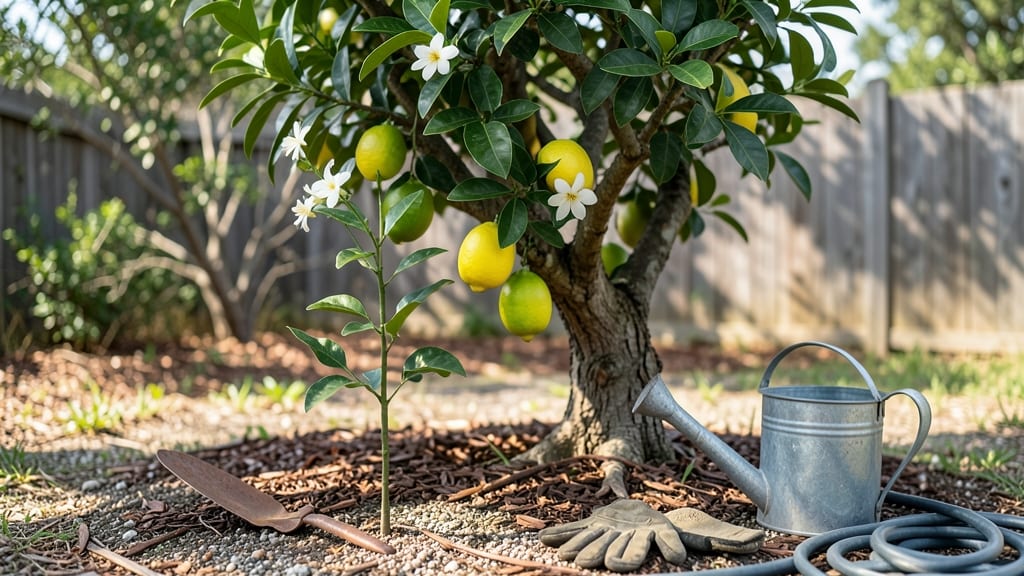
Planting your 🍊 citrus tree at the wrong time in Florida could mean the difference between a thriving orchard and a struggling sapling. With frost-free winters in most of the state, you might think you can plant anytime—but timing still matters for root establishment and fruit production.
The best time to plant citrus trees in Florida is actually early spring or fall, when soil temperatures are ideal and extreme heat or cold stress is minimal. This window gives young trees the perfect conditions to take root before facing Florida’s summer humidity or rare northern frosts.
Why does timing matter so much? Planting in the scorching summer months can shock roots, while late fall might expose tender new growth to unexpected chilly snaps.
I’ll break down the exact months that work best for your specific Florida heat zone—whether you’re in frost-prone Zone 9a or the balmy Zone 11.
Discover how to choose the perfect planting window, avoid common mistakes, and set your citrus tree up for years of abundant harvests—without the guesswork. Let’s get started.
Florida’s optimal citrus planting windows by heat Zone
Florida’s frost-free climate lets you plant citrus trees year-round, but timing still matters to avoid heat stress or disease risks.
The state’s 11 heat zones (from 9a to 11) create microclimates where south Florida (zones 10b-11) thrives in any season, while northern Florida (zones 9a-9b) needs cooler windows to prevent root shock.
For optimal growth, aim for early spring (March-April) or fall (September-October). These periods offer mild temperatures (60°F–85°F) and consistent rainfall, giving young roots time to establish before summer’s intense heat or winter’s rare cold snaps.
South Florida (zones 10b-11) can plant citrus anytime, but avoid summer (June-August) due to hurricane risks and fungal diseases from high humidity. North Florida (zones 9a-9b) should never plant in winter (December-February)—even a 28°F frost can kill young trees.
🌡️ Florida Citrus Planting Windows by Heat Zone
| Heat Zone | Best Planting Months | Avoid Planting | Key Risks |
|---|---|---|---|
| 10b-11 (South FL: Miami, Key West) | Year-round (best: March-April, September-October) | June-August (hurricanes, fungal diseases) | Heat stress, root rot |
| 9b (Central FL: Orlando, Tampa) | March-April, September-October | December-February (frost risk), June-August (heat) | Frost damage, slow growth |
| 9a (North FL: Jacksonville, Gainesville) | March-April (only) | November-February (frost), June-August (heat) | Frost kill, heat shock |
💡 Pro Tip: Use mulch (3-4 inches) to regulate soil temps and protect roots in extreme zones.
In south Florida, March-April is ideal because soil temps hover around 70°F, perfect for root growth. September-October offers cooler nights (low 70s°F) and higher humidity, reducing transplant shock. North Florida gardeners should stick to spring—fall planting risks early winter frosts (even a 28°F night can damage young trees).
Soil temperature is critical: citrus roots struggle below 60°F or above 90°F. Use a soil thermometer to confirm 65°F+ before planting. Container-grown trees adapt faster, so they can handle slightly off-season planting if soil temps are stable.
If you’re in transition zones (9a-9b), avoid planting after Labor Day—summer’s 95°F+ soil temps can burn roots. Instead, wait for September’s cooler (but still humid) conditions. Drip irrigation during dry spells helps young trees establish in low-humidity months like April-May.
Microclimates matter! Coastal areas (e.g., St. Petersburg) stay warmer year-round than inland Lakeland. Test your spot: if your yard gets fewer than 6 hours of sun in winter, citrus will struggle. South-facing walls or protected microclimates can extend the planting window by 1-2 months.
For container citrus, timing is less critical—you can plant anytime if soil temps are ideal. Just avoid winter in Zone 9a and summer in Zone 11. Potted trees dry out faster, so water deeply 2-3x/week during establishment (first 3 months).
Remember: citrus trees planted in ideal windows bear fruit 1-2 years faster than those stressed by wrong-season planting. South Florida can harvest lemon trees in 12 months if planted in spring—but northern zones may take 2-3 years due to slower growth.
Florida’s optimal citrus planting windows by heat Zone
Florida’s frost-free climate means you can plant citrus trees year-round, but timing still matters. The ideal windows are early spring (March-April) and fall (September-October), when soil temperatures are warm but summer heat hasn’t peaked yet. This balance helps roots establish without stress from extreme conditions.
Northern Florida (Zones 9a-9b) faces occasional frost, especially in January-February, so avoid planting then. South Florida (Zones 10a-11) can plant anytime, but summer planting (June-August) risks heat stress and poor root growth. Let’s break it down by region.
🌱
| Region | Heat Zone | Best Planting Months | Avoid Planting | Key Consideration |
|---|---|---|---|---|
| North Florida (Jacksonville, Gainesville) | 9a-9b | March-April, September-October | December-February | Frost risk in winter |
| Central Florida (Orlando, Tampa) | 9b-10a | March-April, September-November | June-August | Summer heat stress |
| South Florida (Miami, Key West) | 10b-11 | Year-round (best March-April) | None (but avoid summer) | Hurricane season (June-Nov) |
For North Florida, prioritize March-April to beat frost. In Central Florida, September-October planting lets roots establish before summer’s return. South Florida gardeners enjoy flexibility but should avoid June-August due to hurricane risks and intense humidity, which can cause fungal diseases.
Soil temperature is critical—citrus roots thrive in 65°F+ soil. Use a soil thermometer to check before planting. In cooler months, mulch with 3-4 inches of wood chips to maintain warmth and moisture. This is especially vital for young trees, which are more vulnerable to temperature swings.
Pro tip: Container-grown citrus can be planted anytime in frost-free zones, but bare-root trees need warmer soil (aim for 60°F+). If planting in summer, provide afternoon shade for the first 4-6 weeks to reduce transplant shock.
🌿