
Plants
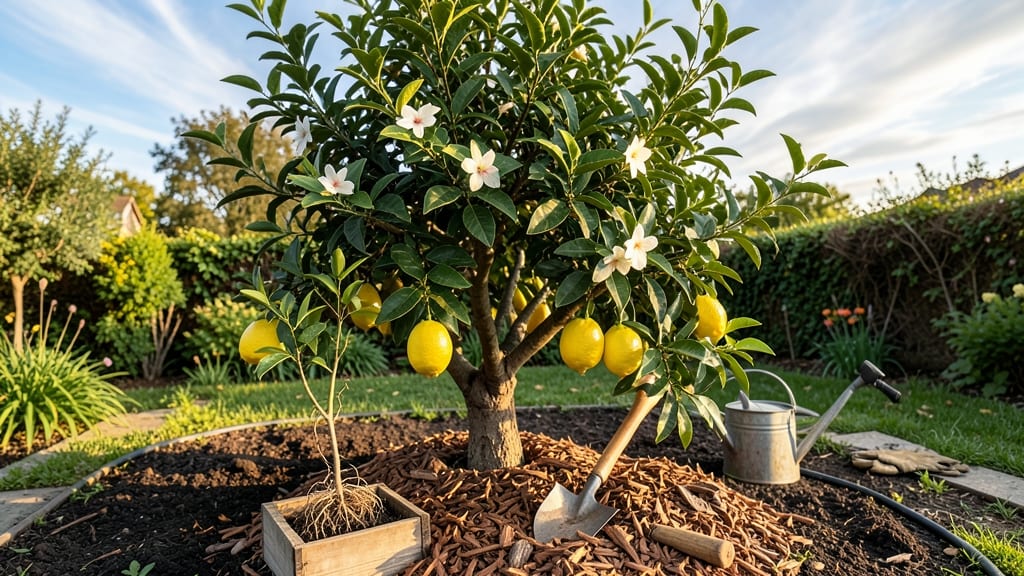
If you're dreaming of a sun-drenched 🍋 lemon tree thriving in your Louisiana backyard, when to plant a lemon tree in Louisiana is the key to avoiding frost damage and stunted growth.
The state's unique climate—where USDA zones 8a-9b bring both sweltering summers and occasional winter chills—means your planting window matters more than you might think.
Most gardeners in Louisiana swear by two perfect planting seasons: late winter after the last frost (February-March) or early fall before temperatures dip (September-October). These months give your lemon tree the best shot at establishing strong roots before extreme heat or cold hits.
But here's the catch: coastal areas and inland zones behave differently, so knowing your microclimate makes all the difference.
I've seen firsthand how a lemon tree planted just weeks too early can struggle when unexpected frosts roll in, while one timed perfectly can burst into growth by spring. The secret isn't just about months—it's about understanding Louisiana's heat zone hacks and soil prep to keep your citrus happy year-round.
Ready to transform your yard into a lemon-producing paradise? Let's break down the exact frost-free window, heat protection strategies, and seasonal care tips that'll have your tree bearing fruit in no time. Your future glass of homemade lemonade starts with the right planting timing.
Louisiana’s frost-free window: best months to plant lemon trees
Louisiana’s humid subtropical climate creates a near-perfect growing environment for lemon trees, but the key to success lies in planting timing. Unlike northern climates, Louisiana’s USDA Zones 8a-9b offer a generous 240-day frost-free window, but even here, late frosts can still damage young citrus trees.
The ideal planting window in Louisiana spans two periods: late winter/early spring (February-March) and fall (September-October). These months strike the perfect balance between soil warmth and active root growth, giving your tree the best chance to establish before summer heat or winter dormancy sets in.
For spring planting, aim for after the last frost date—typically around March 1 in Zone 9b and February 15 in Zone 8a. This timing allows roots to acclimate before summer’s intense heat arrives.
Fall planting, on the other hand, should wrap up by October to give roots time to settle before cooler temperatures.
Coastal areas like New Orleans and Baton Rouge enjoy milder winters with fewer frost risks, while inland regions (e.g., Shreveport or Monroe) face slightly colder snaps. If you’re in a Zone 8a area, prioritize container growing or microclimate protection for added security.
| Planting Window | USDA Zones | Key Considerations | Microclimate Tips |
|---|---|---|---|
| Late Winter (Feb-Mar) | 8a-9b | Soil warms to 60°F+; avoids summer heat stress | Coastal: Full sun; Inland: Windbreaks |
| Fall (Sep-Oct) | 8a-9b | Roots establish before winter dormancy | Container trees: Move indoors if frost risk |
| Avoid (Nov-Jan) | 8a | Frost damage risk; slow root growth | Zone 9b: Minimal risk; still avoid |
If you’re planting in containers, the timing flexibility increases—you can even overwinter lemon trees indoors in Zone 8a during harsh winters. For in-ground planting, choose a sheltered location near buildings or fences to protect from cold winds, especially in Zone 8a.
One common mistake is planting too early in January or early February, when soil temperatures remain cool and root growth stalls. Conversely, delaying until April risks summer heat stress before roots are established. Aim for that sweet spot between frost risk and heat buildup.
For coastal Louisiana, where humidity is higher, improve drainage by amending native soil with compost and sand. Inland areas often have clay-heavy soil, so consider raised beds or container growing to prevent waterlogging. Both strategies help mimic the well-draining conditions lemon trees crave.
Pro tip: Acclimate container-grown lemon trees for 1-2 weeks before planting by placing them outdoors in partial shade during the day and bringing them back inside at night. This gradual transition reduces transplant shock and boosts survival rates.
Remember, lemon trees are evergreens, meaning they retain leaves year-round. In Louisiana’s mild winters, they’ll continue photosynthesizing, so avoid heavy pruning during dormancy (December-February). Instead, focus on soil prep and mulching to insulate roots.
By aligning your planting with Louisiana’s frost-free window and local microclimates, you’ll set your lemon tree up for years of abundant harvests. The first flush of lemons in late spring will make every timing detail worth it! 🍋
Heat Zone hacks: how Louisiana’s summer heat affects lemon tree growth
Louisiana’s summer heat—often hitting 90°F+—can stress lemon trees if not managed properly. While they thrive in warmth, extreme heat without proper care leads to leaf scorch, dropped fruit, or even root damage.
The key is balancing moisture, shade, and airflow to keep your tree healthy during peak heat months (June-August).
First, prioritize deep watering in the early morning to replenish moisture lost overnight. Lemon trees need 1-2 gallons per watering for young trees, increasing to 3-5 gallons for mature trees. Avoid evening watering—this invites fungal diseases like root rot in Louisiana’s humid climate.
If your lemon tree’s leaves turn brown or crispy at the edges, it’s a sign of heat stress. Move potted trees to partial shade (30-50% coverage) during the hottest afternoons (12 PM–4 PM) and resume full sun once temperatures drop below 85°F.
Mulching is another critical hack. Apply 3-4 inches of organic mulch (like pine straw or wood chips) around the tree’s base to retain soil moisture and regulate temperature.
Just keep mulch 6 inches away from the trunk to prevent rot. Louisiana’s heavy clay soil drains poorly, so mixing in compost or sand improves aeration.
Prune strategically to improve airflow—remove overlapping branches and thin out dense foliage. This reduces humidity buildup around leaves, cutting down on citrus canker risk. Aim for open, airy canopies to let breezes circulate, especially in still, humid afternoons.
For container-grown lemon trees, switch to light-colored pots (like terracotta) to reflect heat. Elevate pots on feet or cinder blocks to prevent roots from overheating. If your tree is in a south-facing location, use a shade cloth (30% coverage) during July-August to protect young leaves.
Finally, monitor for pests like aphids or spider mites, which thrive in hot, dry conditions. Spray leaves with neem oil weekly if you spot sticky residue or webbing. With these hacks, your lemon tree will survive—and even thrive— in Louisiana’s brutal summers.