
Trees
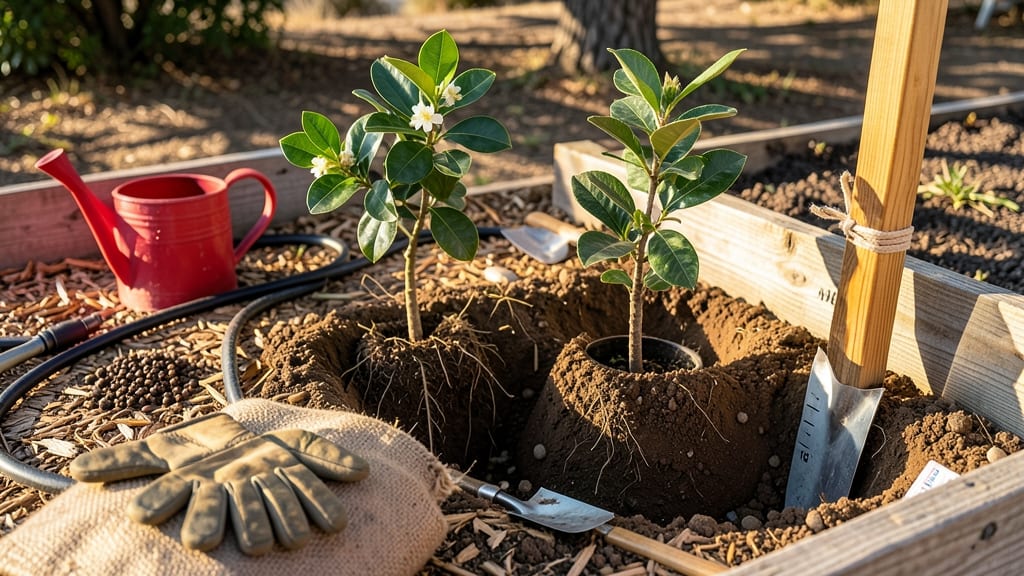
Timing your fruit tree planting in California wrong could mean struggling with weak roots or disappointing harvests—yet the perfect window depends on your chill-hour zone and microclimate. Whether you're in coastal Zone 8 or inland Zone 5, knowing when to plant makes all the difference for strong, productive trees.
I've seen firsthand how a few weeks can change everything—bare-root trees planted too early risk frost damage, while container-grown varieties need warmer soil to thrive. Let me break down the ideal months for each zone and how to match your fruit tree's chill-hour needs with California's diverse climate.
From peaches in the foothills to citrus along the coast, we'll cover soil prep, rootstock maturity, and even drought-resistant planting tricks. You'll discover how to extend your planting window with mulching and irrigation hacks that work in both coastal fog and inland heat.
Ready to grow fruit trees that flourish? Let's dive into the exact timing and care strategies that'll give you a thriving orchard—no guesswork required.
California fruit tree planting calendar by chill-hour zones
California's diverse climate means one planting time doesn't fit all. The state spans three chill-hour zones, from frost-free coastal areas to cold inland valleys. Understanding your zone ensures your peaches, plums, or citrus thrive—not just survive.
Let's break down the best months for each zone, plus the best varieties to match.
First, find your USDA Hardiness Zone and chill-hour range using the USDA Plant Hardiness Map. California's zones range from Zone 7 (coastal) to Zone 10 (desert), but chill hours—measured in hours below 45°F (7°C)—are the real game-changer for fruit trees.
Low chill (0-300 hours): Ideal for citrus, olives, and figs. These thrive in Zone 9-10, like Southern California or the Central Valley's heat pockets. Plant these year-round, but fall or winter gives roots time to establish before summer heat.
Medium chill (300-700 hours): Perfect for apricots, nectarines, and pears. Found in Zone 7-8, like the Sacramento Valley or San Joaquin Valley. Aim for late winter to early spring (February-March) to avoid frost damage while soil is still workable.
High chill (700+ hours): Best for peaches, cherries, and apples. These need Zone 5-7, like the Sierra foothills or higher elevations. Plant in late fall (October-November) or early spring (March-April) to align with dormancy cycles.
| Chill-Hour Zone | Best Planting Months | Top Varieties | Soil Temp Goal (°F) | Key Tip |
|---|---|---|---|---|
| Low (0-300) | Fall-Winter (Oct-Feb) | Citrus, Olives, Figs | 60-70°F | Avoid summer planting |
| Medium (300-700) | Feb-Mar | Apricots, Nectarines, Pears | 50-60°F | Pre-soak bare-root trees |
| High (700+) | Oct-Nov or Mar-Apr | Peaches, Cherries, Apples | 45-55°F | Plant before buds swell |
For bare-root trees, California’s dry climate demands extra care. Soak roots in water for 1-2 hours before planting to prevent transplant shock. Container-grown trees, however, can be planted year-round if soil isn’t frozen, making them ideal for Zone 9-10 gardeners.
Pro tip: Adjust for microclimates. A coastal garden in San Francisco (Zone 9) might need earlier planting than inland Sacramento (Zone 7) due to milder winters. Use a minimum soil thermometer to confirm 50°F+ before planting—this ensures roots won’t freeze.
If you’re in drought-prone areas, like the Central Valley, prioritize deep watering after planting. A 5-gallon bucket of water per tree, applied slowly, mimics natural rainfall and encourages root growth downward. Mulch with wood chips (3-4 inches) to retain moisture and regulate soil temperature.
Remember: Citrus trees hate frost, while stone fruits (peaches, plums) need chill hours. Matching your tree to your zone isn’t just about timing—it’s about long-term survival and fruit production.
For example, a peach tree in Zone 9 may produce poorly because it didn’t get enough cold exposure to set fruit.
🌱
Critical factors beyond zones: soil, microclimates, and rootstock maturity
California’s diverse climate means chill-hour zones aren’t the only factors—your local microclimate and soil type can shift planting windows by weeks. Coastal areas like San Francisco stay milder longer, while inland valleys like Central Valley heat up faster.
Even a 10-degree temperature difference can determine whether your peach tree thrives or struggles.
Heavy clay soils common in Southern California drain poorly, so plant bare-root trees in late winter (February) to avoid waterlogged roots. Sandy soils in Inland Empire dry out quickly—opt for container-grown trees in early spring (March) to give roots time to establish before summer heat arrives.
🚨 WARNING: Grafted rootstocks (like those for citrus trees) need extra care. If your nursery ships bare-root citrus in winter, pre-soak roots for 4-6 hours before planting. Dormant trees planted too early may wake up too soon, while container-grown trees planted too late risk heat stress.
⚠️ Avoid These Mistakes
- Planting bare-root trees in frozen soil (even in Zone 9, coastal fog can drop temps).
- Skipping root pruning on container-grown trees—trim 1/3 of roots before transplanting.
- Ignoring wind exposure—coastal areas need windbreaks for young trees.
For high-chill varieties like apricots or plums, test your microclimate’s chill hours using a home weather station. If your yard gets fewer than 500 chill hours, choose low-chill varieties (e.g., Santa Rosa plum) or plant in a cooler microclimate like a north-facing slope.
Mulching with wood chips (3–4 inches deep) helps regulate soil temperature. In drought-prone areas, use drip irrigation for the first 3 months to prevent transplant shock. Even in Zone 10, avoid planting stone fruits in summer—they need cool roots to establish.
Pro tip: Container-grown trees can be planted year-round in Southern California, but bare-root trees must go in during their dormant season. Check the root flare—it should sit 1–2 inches above soil to prevent girdling as the tree matures.