
Plants
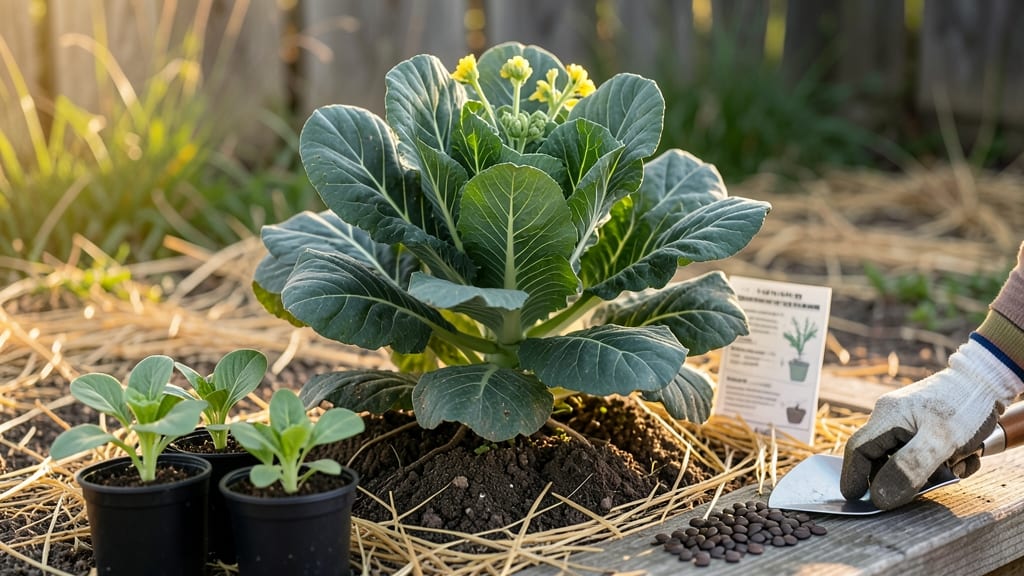
Planting collards in Florida at the wrong time means wilted leaves, bitter flavors, or worse—your plants bolting into flowers before you even taste them. Florida’s warm winters and scorching summers make timing everything, but with the right strategy, you can grow sweet, heat-resistant collards all year.
Most gardeners assume fall is the only safe window, but Florida’s 9a-11 zones let you stretch harvests into spring too. The trick? Avoid the brutal summer heat and leverage cooler months when 🥬 collards thrive without stress.
I’ll break down the exact months to plant—plus which varieties handle Florida’s climate best.
You’ll learn how to beat bolting, when to fertilize without burning plants, and why partial shade in summer can double your yield. Whether you’re in North Florida’s cooler pockets or the steamy South, these tips will keep your collards lush and ready for harvest.
Ready to grow collards that taste fresh year-round? Let’s dive into the perfect planting schedule and care routine tailored just for Florida’s unique growing conditions.
Best planting months for collards in Florida (avoiding bolting and heat stress)
Florida’s unique climate means collards can thrive year-round, but timing is everything to avoid heat stress and premature bolting. Unlike northern states, we don’t have to worry about frost, but our long, hot summers demand careful planning.
The ideal window for planting collards in Florida is September through November for fall harvests, with a secondary window in February and March for spring crops.
In North Florida (Zones 8a-9a), where temperatures dip slightly in winter, you can even push planting to late December for early spring harvests. Meanwhile, South Florida (Zones 10a-11) gardeners can plant collards almost year-round, but summer planting (June-August) is risky due to extreme heat and potential bolting.
The key is soil temperature—collards grow best when soil stays between 60°F and 75°F.
Here’s a quick breakdown of Florida’s planting zones and their best times:
| Region | Best Planting Months | Harvest Window | Key Consideration |
|---|---|---|---|
| North Florida (Zones 8a-9a) | September–November, February–March | October–December, April–June | Watch for light frosts after December 15 |
| Central Florida (Zones 9a-9b) | August–October, January–February | September–December, March–May | Avoid July–August heat spikes |
| South Florida (Zones 10a-11) | September–November, January–March | October–December, March–June | Year-round possible with shade and irrigation |
For gardeners in Central and South Florida, succession planting is a game-changer. By sowing new seeds every 2-3 weeks during the fall window, you can enjoy fresh collards from October through March without gaps.
In North Florida, focus on fall planting for the longest harvest window, as spring crops may face early heat stress.
Another pro tip: Direct sowing works best for collards, but you can also start seeds indoors 4-6 weeks before transplanting to give them a head start.
Use biodegradable pots to avoid root disturbance when moving seedlings outdoors. Harden them off for 5-7 days by gradually exposing them to outdoor conditions before planting.
Soil prep is critical in Florida’s heavy, clay-rich soils. Amend your beds with 2-3 inches of compost and a balanced fertilizer (5-10-10) at planting. Collards prefer slightly acidic to neutral soil (pH 6.0-7.0), so test your soil before planting.
If your soil is too alkaline, mix in peat moss or pine fines to lower the pH.
Spacing is often overlooked but makes a huge difference. Plant collards 12-18 inches apart in rows 24 inches apart to allow airflow and reduce disease risk. In small spaces or containers, you can reduce spacing to 10-12 inches, but be prepared for slightly smaller leaves.
Mulch with straw or shredded leaves to retain moisture and suppress weeds, especially during Florida’s dry spells.
One of the biggest mistakes Florida gardeners make is planting collards too early in summer. Temperatures above 85°F consistently trigger bolting, turning your tender greens into bitter, flowering plants.
If you’re determined to grow collards in summer, focus on heat-resistant varieties like 'Vates' or 'Top Bunch' and provide 30-50% shade cloth during peak afternoon heat.
Finally, don’t forget about pests and diseases that thrive in Florida’s humidity. Cabbage loopers, flea beetles, and aphids are common culprits. Use row covers for young plants or spray with neem oil or insecticidal soap as needed.
For fungal issues like downy mildew, ensure good airflow and avoid overhead watering.
With the right timing and care, your collards will reward you with tender, flavorful leaves for months. Start with the fall window, experiment with succession planting, and soon you’ll have a steady supply of homegrown greens—no matter where you are in Florida! 🌱
Best planting months for collards in Florida (avoiding bolting and heat stress)
Florida’s warm winters and long summers create unique challenges for growing collard greens. Unlike northern climates, Florida gardeners can plant year-round, but timing is critical to avoid bolting (premature flowering) and heat stress.
The ideal window shifts depending on your region—North Florida’s cooler winters allow earlier planting, while South Florida’s heat demands shade and succession planting.
For North Florida (Zones 8a-9a), aim for September through November to capitalize on cooler temperatures. In Central Florida (Zones 9a-9b), extend planting to August through December, while South Florida (Zones 10a-11) can start as early as July with shade protection.
The key is soil temperatures below 85°F—any hotter, and your collards will bolt faster than you can say "Southern comfort food."
🌱 Collard Planting Timeline for Florida
| Region | Best Planting Months | Soil Temp Threshold | Harvest Window |
|---|---|---|---|
| North Florida | September–November | Below 85°F | October–December |
| Central Florida | August–December | Below 80°F | September–February |
| South Florida | July–September (with shade) | Below 75°F | August–November |
Succession planting is your secret weapon in Florida. Instead of one big planting, stagger seeds every 2-3 weeks from August through November. This ensures a continuous harvest and reduces the risk of bolting.
For example, plant a batch in early August, another in mid-September, and a final one in late October. Each batch will mature at different times, giving you fresh collards for months.
If you’re in North Florida and face rare frosts (yes, they happen!), protect your plants with row covers or move pots indoors. Most Florida regions, however, don’t need frost protection—just consistent moisture and partial shade during peak summer.
Avoid planting in June or July unless you’re using heat-resistant varieties and providing 30% shade cloth.
Pro tip: Test your soil pH before planting—collards thrive in 6.0–7.0. Florida’s sandy soils often need compost or aged manure to retain moisture and nutrients. Amend your beds in late summer so they’re ready for fall plantings.
This small step can mean the difference between bolting disaster and a bountiful harvest.
Remember, Florida’s climate is forgiving if you plan ahead. By following these region-specific windows and using succession planting, you’ll enjoy tender collards from fall through winter—just in time for your favorite Southern dishes. 🥬