
Vegetables
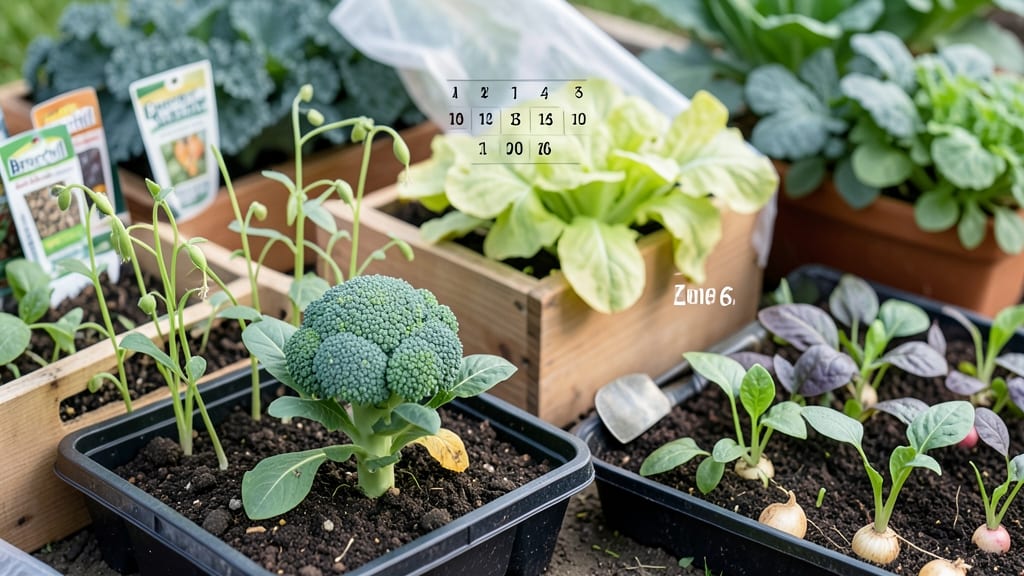
If you've ever watched your 🥬 early spring vegetables wilt overnight after a surprise frost, you know when to plant early spring vegetables in Zone 6 is everything in timing.
Planting too early means risking frozen seeds, while waiting too long could mean missing the ideal growing window for fast germination.
The key to success lies in understanding your last frost date—typically between mid-March and mid-April in Zone 6—and working backward from there. Most cool-season crops like spinach and peas thrive when planted 4-6 weeks before that critical date, but soil temperature plays an equally important role.
In this guide, I'll break down the exact weeks to plant each vegetable for maximum speed and yield, plus how to adjust for Zone 6's unpredictable spring weather. You'll learn which crops can handle early planting with row covers and which need warmer soil to germinate quickly.
Whether you're a first-time gardener or a seasoned pro, these insights will help you avoid common mistakes and get your spring harvest off to a fast, productive start. Let's dig in!
Exact weeks before last frost to plant cool-season vegetables in Zone 6
In Zone 6, where average last frost dates fall between March 15 and April 15, timing your early spring vegetable planting is critical for success. Most cool-season crops thrive when planted 4-6 weeks before the last frost, but soil temperature and specific varieties play key roles.
For example, peas and spinach can handle cooler soils, while lettuce and broccoli prefer slightly warmer conditions. Let’s break down the exact windows for your favorite early spring vegetables.
First, check your local last frost date—it can vary by 1-2 weeks even within Zone 6. Use the National Weather Service or Almanac tools to pinpoint your area’s average.
For most of Zone 6, this means starting seeds indoors by late February and transplanting outdoors by mid-March to early April. Direct sowing outdoors typically begins 2-3 weeks before the last frost, giving seeds time to germinate before warmer temperatures arrive.
Soil temperature is just as important as air temperature. Most cool-season vegetables need soil to reach at least 40°F for germination, while others like radishes and arugula can sprout in 35°F soil. Use a soil thermometer to confirm readiness—planting too early in cold soil can delay germination for weeks. If your soil is still too cold, opt for hardier varieties or use row covers to warm the soil faster.
| Vegetable | Planting Window (Weeks Before Last Frost) | Soil Temp for Germination | Notes |
|---|---|---|---|
| Peas | 4-6 weeks | 35-40°F | Tolerates light frost; sow early. |
| Spinach | 4-5 weeks | 40-45°F | Bolt-resistant varieties for longer harvests. |
| Lettuce | 3-5 weeks | 45-50°F | Avoid planting too early; prefers warmer soil. |
| Broccoli | 5-6 weeks | 50-55°F | Start indoors; transplant after last frost. |
| Radishes | 2-4 weeks | 35-40°F | Fast-growing; ideal for early sowings. |
| Kale | 4-6 weeks | 40-45°F | Cold-hardy; can be planted early. |
For slow-to-germinate seeds, like broccoli and cabbage, start them indoors 6-8 weeks before the last frost to ensure they’re ready for transplanting. If you’re using seedlings from a nursery, harden them off for 7-10 days before planting outdoors to reduce transplant shock.
Hardening involves gradually exposing seedlings to outdoor conditions, including wind and cooler temperatures, to strengthen their stems and leaves.
Another pro tip: Succession planting keeps your harvests coming. For example, sow radishes every 2 weeks from early spring until early summer—they mature in just 30 days! Similarly, lettuce and spinach can be replanted every 3-4 weeks for a continuous supply.
This method also helps manage pest pressure, as different plantings confuse insects and reduce damage.
If you’re unsure about your local frost dates, consider planting a test crop like radishes or peas a few weeks early. These fast growers will tell you if your soil and weather conditions are ready for more delicate crops.
For example, if your radishes sprout and thrive when planted in late February, you can confidently move on to lettuce and spinach a week or two later.
Finally, don’t forget to prepare your soil before planting. Zone 6 springs can be wet, so amend your soil with compost or aged manure to improve drainage and fertility. Aim for a pH of 6.0-7.0, which is ideal for most cool-season vegetables. Adding a <
How to adjust planting dates for fast germination in Zone 6’s variable spring weather
Zone 6’s spring weather can be unpredictable—one day it’s 40°F and sunny, the next it’s freezing overnight. To maximize germination and avoid frost damage, I adjust planting dates based on soil temperature, weather forecasts, and microclimates in my garden.
Even a 5°F difference can delay sprouting by a week or more for cool-season crops like peas or spinach.
Start by checking your local last frost date—most Zone 6 gardeners aim for March 15 to April 15, but I always verify with the National Weather Service or a garden-specific app.
For faster germination, I plant hardy crops like peas (tolerate 32°F) 4–6 weeks before the last frost, while delicate lettuce waits until 2–3 weeks before. This staggered approach ensures a steady harvest.
🌱
- 1 Use row covers to plant 2–3 weeks earlier for crops like spinach or kale. These lightweight fabrics trap heat and protect seedlings from light frosts (down to 25°F for some varieties). I swear by floating row covers—they’re easy to install and remove once danger of frost passes.
- 2 Warm your soil with black plastic mulch or compost piles to speed up germination. I lay down mulch 1–2 weeks before planting radishes or carrots, which need 50°F+ soil to sprout reliably. Pro tip: Remove mulch after planting to avoid overheating young roots.
- 3 Start seeds indoors 4–6 weeks before the last frost for slow-to-germinate crops like broccoli or cabbage. Use a seedling heat mat (70–75°F) to mimic spring conditions. I harden off seedlings by placing them outdoors for 2–3 hours/day starting 1 week before transplanting.
- 4 Monitor soil moisture—dry soil delays germination. I keep seeds consistently moist (not soggy) by watering gently with a spray bottle or drip irrigation. A soil thermometer is my best friend here; aim for 40–50°F for most cool-season crops.
- 5 Plant succession crops every 2 weeks to extend harvests. For example, I sow lettuce in late March, mid-April, and early May to enjoy fresh greens all summer. This works for radishes (30-day harvest) and bush beans (50–60 days).
If you’re in a cooler microclimate (like a valley or shaded area), err on the side of planting later. Conversely, south-facing beds or raised beds warm up faster—ideal for early plantings.
I test soil temperature daily in my raised beds; once it hits 50°F, I know it’s safe to plant peas or spinach.
For late bloomers, like broccoli, I use cold frames to create a mini greenhouse. These can push planting dates 3–4 weeks earlier by trapping heat during the day. Just remove the lid on warm days to prevent overheating—80°F+ can scorch seedlings.
🌿 Don’t let Zone 6’s unpredictable spring hold you back. With these adjustments, you’ll beat the frost and enjoy a longer harvest window for your favorite early spring veggies!