
Plants
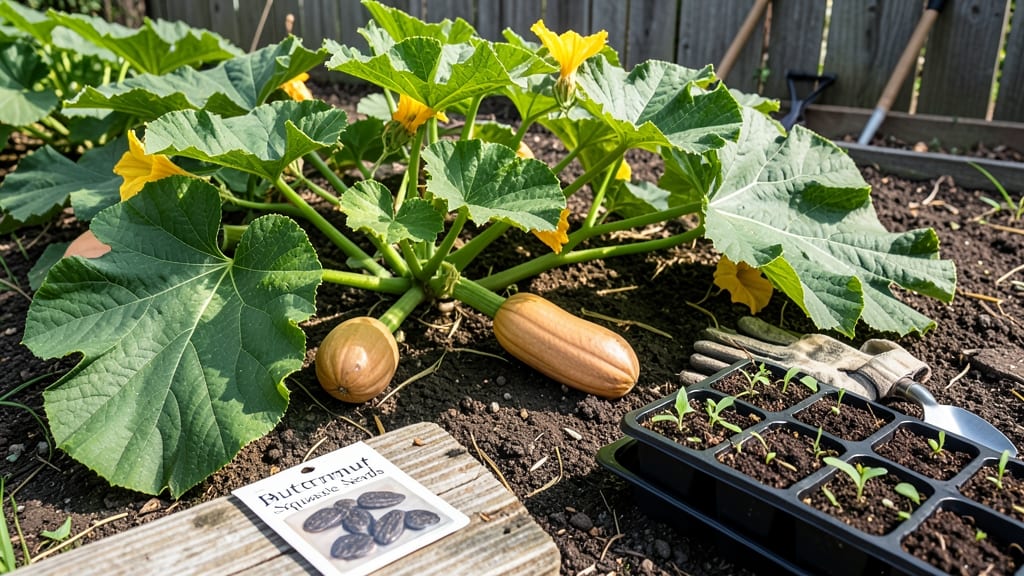
Timing when to plant butternut squash seeds in the UK perfectly could mean the difference between a bumper harvest and wasted effort. Planting too early risks frost damage, while waiting too long might leave your vines struggling to mature before autumn's chill sets in.
With the UK's varied climate—from London's Zone 8a to Scotland's cooler Zone 7a—knowing the exact frost-free window is the key to success.
Whether you're starting seeds indoors or sowing directly into soil, I'll break down the ideal planting months and regional adjustments that work for your specific corner of the country.
You'll discover how to gauge soil temperatures, avoid common planting mistakes, and give your squash the best start possible. Let's dive into the frost-free deadlines and care tips that will set you up for a sweet, plentiful harvest from October to November.
From the first warm days of spring to the final harvest, I'll walk you through every step to ensure your Butternut Squash thrives—no guesswork required. Ready to get growing?
UK regional planting deadlines for butternut squash seeds by frost-free zones
Butternut squash (Cucurbita moschata) loves the UK’s mild summers, but timing your seeds is critical to avoid frost damage. The last average frost date varies dramatically across regions, from mid-April in Cornwall to early June in Scotland.
Planting too soon risks seed rot, while waiting too long cuts harvest time. Let’s break it down by region to maximize your yield.
In England, most areas see their last frost between mid-April and early May. For Wales, aim for late April to mid-May, while Northern Ireland typically waits until mid-May. Scotland is the trickiest—plant no earlier than early June in highland areas to avoid late frosts.
Always check your local Met Office frost forecast for precision.
Soil temperature is just as important as air temperature. Butternut squash seeds need soil at 15°C (60°F) to germinate reliably. Use a soil thermometer to confirm readiness—especially in cooler regions like Yorkshire or the Scottish Borders.
If your soil is still chilly, opt for indoor seed starting (we’ll cover this next).
Here’s a quick regional cheat sheet to avoid overwhelm:
| Region | Last Frost Date | Ideal Planting Window | Soil Temp Threshold |
|---|---|---|---|
| Southeast England (London, Kent) | Mid-April | Late April – Early May | 15°C (60°F) |
| Midlands (Birmingham, Manchester) | Early May | Late May – Early June | 15°C (60°F) |
| Northwest England (Liverpool, Cumbria) | Early May | Late May – Early June | 16°C (61°F) |
| Scotland (Edinburgh, Glasgow) | Early June | Mid-June – Early July | 17°C (63°F) |
| Wales (Cardiff, Swansea) | Late April | Late April – Early May | 15°C (60°F) |
| Northern Ireland (Belfast, Derry) | Mid-May | Late May – Early June | 16°C (61°F) |
Pro tip: If you’re in a cooler microclimate (e.g., a valley or highland area), err on the side of planting later. Butternut squash vines are fast growers—they’ll catch up if given enough warmth. Just avoid overcrowding, as this slows growth and increases disease risk.
For container growing, add 2-3 weeks to your planting timeline. Pots heat up faster, but they also dry out quicker. Use black plastic pots to warm the soil and monitor moisture daily.
In urban areas like London or Manchester, south-facing walls or greenhouses extend your growing season by 3-4 weeks.
Once your seeds are in the ground, maintain consistent moisture and watch for powdery mildew—a common issue in humid UK summers. Mulch with straw or grass clippings to retain soil warmth and suppress weeds. With the right timing, you’ll harvest sweet, plump butternuts by October or November.
🎃
Indoor seed starting vs. direct soil planting: which works best in the UK?
Deciding whether to start butternut squash seeds indoors or plant them directly in the soil depends on your UK region and growing season length. Both methods work, but timing and microclimate factors make all the difference for stronger vines and higher yields.
Let’s break down the pros and cons for UK gardeners.
Indoor seed starting gives you a 4-6 week head start, which is crucial in cooler UK regions like Scotland or Northern Ireland. By starting seeds in late March to early April, you’ll have hardier seedlings ready for transplanting after the last frost.
This method also lets you control germination conditions, like consistent warmth and humidity, which can be tricky outdoors in unpredictable UK weather.
Indoor Seed Starting
Direct soil planting, on the other hand, is simpler and works well in warmer UK regions like Southern England or longer growing seasons. You can start seeds outdoors after mid-May, once soil temperatures consistently stay above 15°C (60°F).
This method avoids the transplant shock that seedlings sometimes experience and lets the plants develop stronger root systems from the start.
For direct soil planting, choose a sunny, sheltered spot with well-draining soil. Plant seeds 1 inch deep and 2-3 feet apart to give vines room to spread. This method is ideal for gardeners with limited space or those who prefer low-maintenance growing.
However, it’s riskier in cooler UK regions where late frosts can damage young plants.
If you’re unsure which method to choose, consider your local frost dates and growing season length. For example, gardeners in Scotland or Northern Ireland should lean toward indoor starting, while those in Southern England can often direct-sow with success.
Always harden off seedlings for 7-10 days before transplanting to help them adjust to outdoor conditions.
Whichever method you pick, remember that butternut squash thrives in warmth and needs consistent moisture to produce sweet, plentiful fruits. With the right timing and care, you’ll be enjoying homegrown squash by autumn! 🎃