
Trees
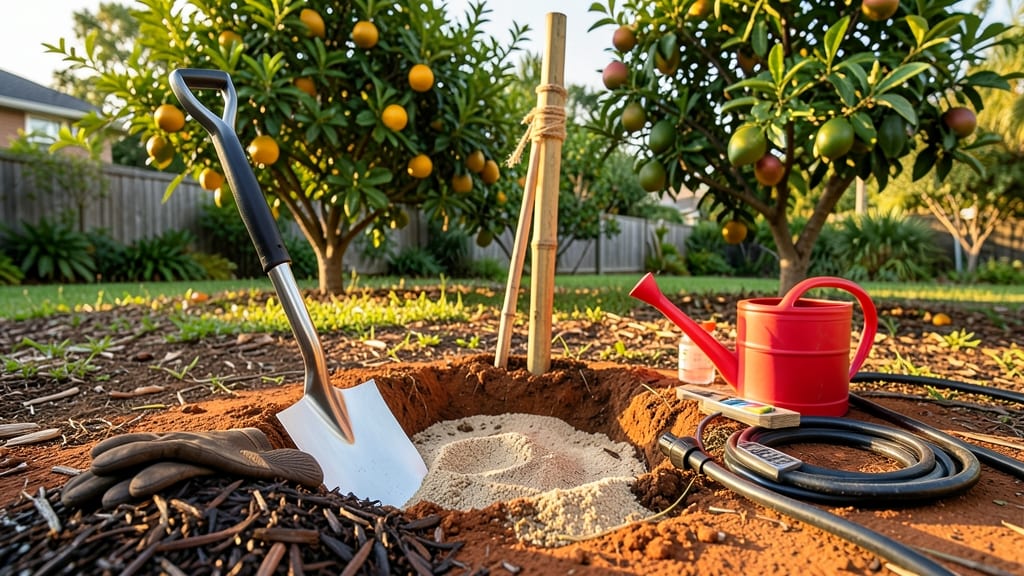
Timing your fruit tree planting in Florida could mean the difference between a thriving orchard and years of disappointment.
With year-round growing potential but extreme seasonal swings—think hurricane risks, summer scorching, and frost in the Panhandle—getting the schedule wrong can stunt root growth or even kill young trees before they bear fruit.
I’ve helped Florida gardeners plant everything from citrus groves to mango orchards, and the best time isn’t one-size-fits-all. Citrus loves late winter’s mild weather, while avocados and peaches need cooler months to establish roots before summer’s intensity.
Let’s break down the ideal planting windows for each variety, so you can avoid common pitfalls like transplant shock or weak root systems.
What you’ll discover here are the science-backed months for planting, tailored to Florida’s three distinct regions—North, Central, and South—plus pro tips to give your trees the strongest start. Whether you’re a first-time grower or a seasoned orchardist, these strategies will help you maximize yields and skip the guesswork.
Ready to turn your Florida backyard into a fruit-bearing paradise? Let’s dive into the exact calendar and care steps that’ll set your trees up for success—no matter where you are in the state.
Best planting months for Florida fruit trees by variety (citrus, avocado, peach, and more)
Florida’s climate—warm year-round but with microclimates from the Panhandle to Miami—means planting fruit trees at the wrong time can spell disaster. Citrus and avocados thrive in heat, while peaches and figs need cooler starts.
The key? Plant when root establishment aligns with Florida’s rainfall patterns and hurricane risks. Below is your month-by-month guide, tailored to Florida’s USDA Zones 8a–11.
In North Florida (Zones 8a–9a), frost can still nip young trees in January–February, so bare-root trees go in November–March.
Meanwhile, South Florida (Zones 10a–11) can plant year-round, but summer heat (June–August) stresses young roots. Container-grown trees offer flexibility, but bare-root varieties need cooler soil temps to thrive.
Here’s the golden rule: Citrus and tropicals (mango, avocado) plant in spring or fall; temperate trees (peach, fig, persimmon) plant in late fall or winter.
Avoid peak summer (June–July) for all varieties—transplant shock from heat and humidity is brutal. Let’s break it down by fruit type and Florida region.
🌱 Best Planting Months for Florida Fruit Trees
| 🌳 Variety | 📅 Ideal Months (North FL) | 📅 Ideal Months (Central/South FL) | 🌡️ Key Consideration |
|---|---|---|---|
| 🍊 Citrus (Orange, Lemon, Lime) | Nov–Feb, May–June | Year-round (best: Sep–Nov, Feb–Mar) | Avoid summer heat; bare-root needs cool soil. |
| 🥑 Avocado | Feb–Mar, Sep–Oct | Year-round (best: Jan–Feb, Sep–Oct) | Slow-growing; plant in cooler months. |
| 🍑 Peach, Plum, Fig | Nov–Jan | Nov–Feb | Frost-sensitive; plant before buds swell. |
| 🥭 Mango | Feb–Mar | Year-round (best: Jan–Feb) | Tropical; avoid wet season (June–Oct). |
| 🍇 Pomegranate | Nov–Dec | Nov–Feb | Drought-tolerant; plant in cool, dry months. |
💡 Pro Tip: Container-grown trees can plant year-round, but bare-root varieties need cooler soil temps (below 75°F).
For North Florida gardeners (Zones 8a–9a), November–February is prime time for bare-root trees. The cooler temps and higher humidity reduce transplant shock, while soil moisture stays consistent. Citrus and avocados planted in late winter (Feb–March) get a head start before summer’s brutal heat.
Central and South Florida (Zones 10a–11) enjoy year-round planting, but avoid June–August. The wet season brings fungal risks, and hurricane season (June–November) can uproot young trees. September–November and February–March are the sweet spots—mild temps and lower rainfall help roots establish.
If you’re planting temperate varieties like
Critical factors that determine success: soil, water, and climate considerations
Florida’s unique climate—with its sandy soils, high humidity, and hurricane season—demands careful planning when planting fruit trees. The wrong timing or soil prep can leave your tree struggling against root rot or heat stress, while the right approach ensures strong, resilient growth.
Let’s break down the key factors that make or break your fruit tree’s success.
First, soil drainage is non-negotiable. Florida’s native soils are often sandy and poorly draining, which can drown roots during heavy rains or hurricane season. Amend your soil with organic matter like compost or aged manure to improve water retention and aeration.
A simple percolation test (dig a 12-inch hole, fill with water, and time how long it drains) will tell you if your soil needs help.
Next, watering strategy makes all the difference. Young fruit trees need deep, infrequent watering to encourage deep root growth. In Florida’s heat, water morning or evening to prevent evaporation and fungal diseases.
A drip irrigation system or soaker hose is ideal—it delivers water directly to the roots without wetting the foliage, reducing disease risk.
Don’t overlook mulching, either. Apply a 3-4 inch layer of mulch (like pine bark or wood chips) around the base of your tree, but keep it 6 inches away from the trunk to prevent rot.
Mulch helps retain moisture, regulates soil temperature, and suppresses weeds—critical for Florida’s intense sun and sporadic rains.
Finally, climate zone matters. North Florida (Zone 8a) faces occasional frost in winter, while South Florida (Zone 10a+) stays warm year-round. Citrus and avocados thrive in South Florida’s heat, but peaches and figs need cooler winters to set fruit.
Choose varieties suited to your zone, and plant bare-root trees in late winter for best results in frost-prone areas.
With the right soil prep, watering routine, and timing, your fruit trees will establish strong roots and flourish—no matter where you are in Florida. The key is preparation, not just timing. 🌱