
Trees
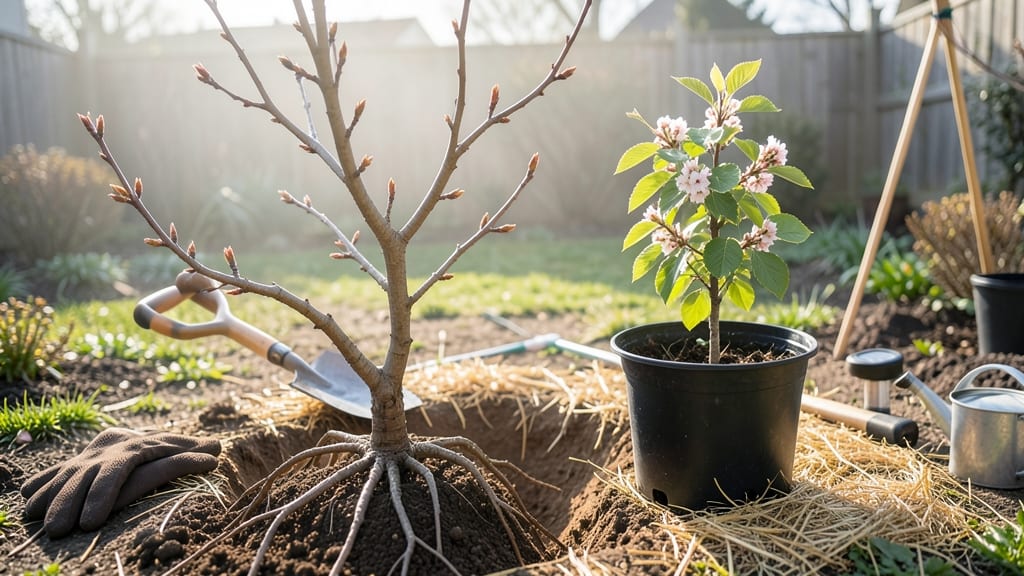
Knowing when to plant cherry trees in Zone 5 can mean the difference between a thriving orchard and a sad, stunted 🍒 struggling to survive. The wrong timing—like planting too late in spring—risks exposing young roots to late frosts, while fall planting offers cooler soil and fewer pests.
Zone 5’s climate, with its unpredictable swings from 5a’s harsh winters to 5b’s cooler summers, demands precision. Whether you’re planting sweet or tart cherries, the ideal window is early spring (March-April) or fall (September-October), when the ground is workable but not frozen.
I’ve seen firsthand how a well-timed planting session leads to stronger root systems and bigger harvests down the road. Let’s break down the best months, soil prep tips, and what to watch for to set your cherry tree up for success.
From avoiding frost pockets to choosing cold-hardy varieties, this guide covers everything you need to know—so you can enjoy homegrown cherries for years to come.
Optimal cherry tree planting windows in Zone 5 by variety
Zone 5's unpredictable spring frosts and fall freezes make timing critical for cherry trees. Planting too early risks frost damage, while late planting delays root establishment. The best windows are early spring (March-April) or fall (September-October), when soil is workable but extreme temperatures have passed.
Sweet cherries (Prunus avium) are more sensitive to cold than tart cherries (Prunus cerasus). Their flowers bloom early, making them vulnerable to late frosts. Tart cherries, however, handle Zone 5's climate better due to later blooming and higher cold tolerance.
For spring planting, aim for March-April once soil temperatures reach 45°F. This gives roots 6-8 weeks to establish before summer heat. Fall planting should occur 6-8 weeks before first frost—typically September-October—allowing roots to grow before dormancy.
Here’s how microclimates within Zone 5 affect timing:
Northern Zone 5 (5a) has later last frosts (late May) and earlier first frosts (mid-October), narrowing the window. Southern Zone 5 (5b) offers 2-3 extra weeks on either end, making it slightly more forgiving.
Always check your local frost dates—they can vary by 1-2 weeks even within the same zone. Use the National Weather Service or local cooperative extension resources for precise data.
🌱
| Variety | Best Planting Window | Frost Risk | Root Establishment Time |
|---|---|---|---|
| Sweet Cherries (e.g., Bing, Rainier) | Early April (spring) or late September (fall) | High (early blooms) | 6-8 weeks |
| Tart Cherries (e.g., Montmorency, Balaton) | March-April (spring) or October (fall) | Moderate (later blooms) | 8-10 weeks |
| Dwarf Varieties (e.g., Stella, Lapins) | Late March (spring) or early October (fall) | Low (smaller canopy) | 4-6 weeks |
🌿 Pro Tip: Bare-root trees establish faster than container-grown. Plant them as soon as possible after purchase!
If you miss the ideal window, container planting buys you 2-4 extra weeks of flexibility. Use 5-gallon pots and plant outdoors after frost risk passes. Just ensure pots have drainage holes and use well-draining soil.
For fall planting, focus on soil preparation first. Amend with compost and organic matter to improve drainage—cherry trees hate soggy roots. Water deeply before the first hard freeze to hydrate the root ball.
Remember: Dormant trees (bare-root) are easier to plant than container-grown trees. They’re also cheaper and establish faster in Zone 5’s short growing season. Stock up at local nurseries in late winter for spring planting.
🌳
Optimal cherry tree planting windows in Zone 5 by variety
Zone 5's variable frost dates make timing critical for cherry trees. Planting too early risks late spring frosts, while late planting delays root establishment. Sweet cherries (like 'Stella' or 'Black Tartarian') and tart cherries (like 'Montmorency') both thrive in Zone 5, but their dormancy periods differ slightly.
For spring planting, aim for early April to mid-May after the last frost date. Check your local USDA Zone 5a/5b frost calendar—most areas see last frosts between mid-April and late May.
Fall planting is also ideal, with September to early October being the sweet spot before winter dormancy sets in.
🍒
| Variety Type | Best Planting Window | Dormancy Requirement | Frost Risk |
|---|---|---|---|
| Sweet Cherries | Early April - Mid-May | Needs 800+ chill hours | High frost risk in late spring |
| Tart Cherries | September - Early October | Needs 500-800 chill hours | Low frost risk in fall |
| Dwarf Varieties | Early April or September | Varies by cultivar (600-900) | Moderate frost risk |
Zone 5's microclimates matter—urban areas warm faster than rural zones. If you're in Zone 5a, wait until mid-May for spring planting, while Zone 5b gardeners can plant as early as late April. Always monitor local weather forecasts for unexpected late frosts.
For fall planting, focus on September to give roots time to establish before winter. Avoid planting in late October or November, as the ground may freeze before roots can adapt. Use mulch (4-6 inches) to insulate roots during winter.
🌡️
Pro tip: Purchase bare-root trees in late winter for spring planting—they establish faster than container-grown trees. If planting in containers, use 15-gallon pots and upgrade to ground planting within 1-2 years to prevent root binding.