
Trees
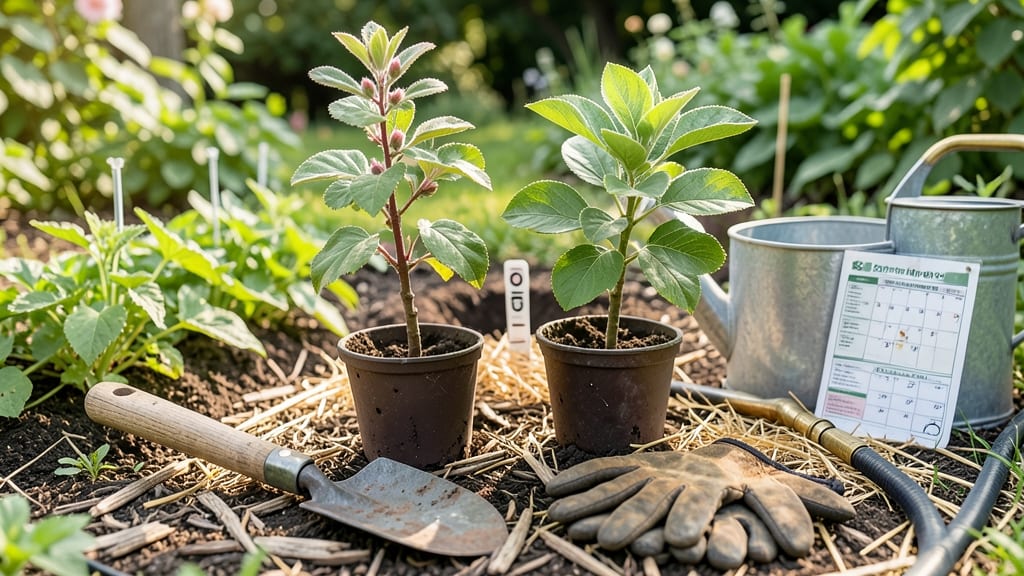
Timing your fruit tree planting in South Carolina isn't just about the calendar—it's about matching varieties to microclimates and chill-hour zones that keep your trees thriving year after year.
Skip the guesswork, and you could end up with stunted growth or missed harvests, especially when coastal humidity clashes with Upstate winters.
Here’s the game-changer: Planting between February and March gives most fruit trees the best shot at establishing roots before the heat of summer. But citrus and subtropical varieties?
They’ve got a totally different playbook—no chill hours needed, so you can plant them almost year-round, with spring still being the sweet spot.
Why does this matter so much? Because South Carolina’s USDA Zones 7b-9a create a wild range of conditions—from frost-free coastal areas to chilly mountain valleys. Get the timing right, and you’ll avoid the heartbreak of winterkill or heat stress.
Let’s break down exactly when to plant each type of fruit tree for a bumper crop.
Ready to turn your backyard into an orchard? I’ll walk you through the best varieties for your zone, container planting hacks, and soil prep secrets that’ll make your trees hardier and more productive. No more wasted money—just zero frost risk and full harvest potential.
South Carolina chill-hour zones: matching fruit trees to frost-free timing
South Carolina’s mild winters and zero frost risk in some areas create a unique challenge for fruit tree growers. Unlike northern states, SC’s chill-hour requirements (300–1,200 hours below 45°F) dictate which varieties will thrive.
Planting a peach tree in Charleston with only 300–500 chill hours will fail—it needs 800+ hours to fruit properly.
Your first step is identifying your local chill-hour zone. Coastal areas like Charleston and Hilton Head typically see 300–500 hours, while the Upstate (Greenville, Spartanburg) can reach 800–1,200 hours. This difference means citrus and figs flourish on the coast, while apples and pears need Upstate’s colder winters.
Why chill hours matter: Fruit trees require winter cold to break dormancy and set buds. Too little chill (like in Zone 8) can leave trees barren. Too much (like planting peaches in Zone 7b) risks winterkill. Matching your tree to your zone ensures reliable fruiting and long-term health.
🌱
| SC Region | Chill Hours | Best Fruit Trees | Avoid These |
|---|---|---|---|
| Coastal (Charleston, Myrtle Beach) | 300–500 | Citrus, Figs, Pomegranates, Low-Chill Peaches | Apples, Pears, High-Chill Cherries |
| Piedmont (Columbia, Rock Hill) | 500–700 | Peaches, Plums, Nectarines, Some Apples | European Pears, High-Chill Cherries |
| Upstate (Greenville, Spartanburg) | 800–1,200 | Apples, Pears, Sweet Cherries, Plums | Tropical Fruits, Low-Chill Varieties |
For example, if you live in Charleston (Zone 8b), skip Elberta peaches (needs 800+ hours) and opt for Redhaven peaches or low-chill varieties like Redtop. In Greenville (Zone 7b), Fuji apples and Bartlett pears thrive with 700–900 chill hours.
Pro tip: Use USDA Plant Hardiness Zone Map alongside chill-hour data. A Zone 8 area might still get brief cold snaps—check your microclimate. Urban areas with heat islands may need even fewer chill hours than rural spots.
Container growing extends your options. Dwarf citrus trees (like Meyer lemons) can thrive in Zone 8–9 with winter protection. Move pots to sheltered areas or indoors if temps drop below 25°F.
This flexibility lets you grow apples in Charleston if you’re willing to prune aggressively and use frost cloth.
Timing your plant isn’t just about chill hours—it’s also about soil prep. SC’s sandy soils drain too fast for most fruit trees. Amend with compost and organic matter to retain moisture. In coastal areas, add gypsum to improve structure. pH should be 6.0–7.0 for most fruit trees.
🌿
Best planting windows by fruit tree type for SC’s mild winters
South Carolina’s mild winters and humid climate create unique challenges for fruit tree planting. Unlike northern states, you can’t rely on a long freeze to break dormancy—so timing matters even more. Peaches, plums, and apples need precise chill-hour alignment, while citrus and figs thrive with minimal cold exposure.
Let’s break down the best months for each type to maximize success.
For stone fruits like peaches and nectarines, late winter (February–March) is ideal. These trees need 300–600 chill hours, and planting before bud break ensures strong root establishment. Pome fruits (apples, pears) prefer 400–800 chill hours, so aim for early spring (March–April) to avoid heat stress during summer.
Citrus trees (oranges, lemons) are the exception—they hate frost and should be planted in spring (April–May) after the last frost date. Container-grown citrus can even go in early fall (September–October), but protect them from unexpected cold snaps with frost cloth.
If you’re planting bare-root trees, February–March is your window before buds swell. Container-grown trees offer flexibility—plant them year-round, but spring or fall still gives the best results. Avoid summer planting due to heat stress and disease risks from SC’s humidity.
- 🍑 Peaches/Nectarines: February–March (300–600 chill hours)
- 🍐 Plums: February–March (400–600 chill hours)
- 🍎 Apples/Pears: March–April (400–800 chill hours)
- 🍊 Citrus/Figs: April–May (0–200 chill hours)
- 🌱 Bare-Root Trees: February–March (before bud break)
- 🪴 Container Trees: Spring/Fall (avoid summer heat)
Pro tip: Soil temperature matters—wait until the ground warms to at least 60°F (15°C) for best root growth. In coastal SC, where winters are even milder, you can push planting to early April for most varieties. Just monitor local frost forecasts—even a light freeze can damage young trees.
For container-grown trees, spring planting gives roots time to establish before summer’s heat. If you must plant in late fall (October–November), choose dwarf varieties and mulch heavily to protect roots. Avoid planting in summer—the heat stresses trees and invites pests like aphids and scale insects.
Remember: SC’s humidity means fungal diseases like brown rot or anthracnose are always a risk. Planting at the right time reduces stress, helping your trees fight off pathogens. With the right timing, you’ll enjoy homegrown peaches by June and apples by October—no wasted seasons! 🌳