
Trees
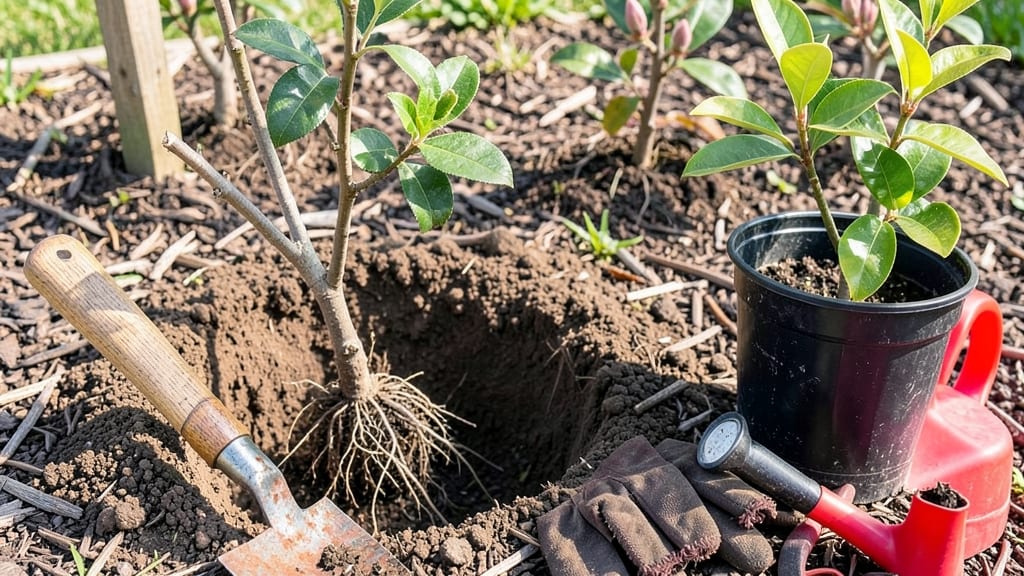
Timing your fruit trees 🍎🍊🍇 planting in South Africa can make or break your harvest—especially when frost risk and rainfall patterns vary wildly from Cape Town’s Mediterranean climate to Johannesburg’s highveld winters.
Get it wrong, and you’ll waste money on trees that struggle to take root or produce. But nail the late autumn to early spring window (March–August), and you’ll set your orchard up for years of sweet rewards.
The key? Understanding how your region’s microclimate—whether it’s frost-prone or subtropical—shapes the best months to plant.
I’ll break down the exact planting calendar for citrus, stone fruits, and tropical varieties, plus soil prep secrets that help roots establish faster in South Africa’s diverse zones. Ready to grow a thriving orchard without the guesswork?
Let’s dive into the climate-smart months that work for your specific corner of the country—because one size doesn’t fit all when it comes to fruit trees here.
Best planting months for fruit trees by south african climate zones
South Africa’s diverse climates—from the Mediterranean Western Cape to the subtropical KwaZulu-Natal coast—mean planting fruit trees at the wrong time can spell disaster. The key is aligning your planting schedule with rainfall patterns, frost risk, and soil temperatures.
For example, citrus thrives in warm coastal regions but struggles in frost-prone areas like Johannesburg. Let’s break down the ideal planting windows for each climate zone to maximize your tree’s chances of success.
In Summer Rainfall regions (e.g., Gauteng, Free State), the best time to plant is during the cooler months—typically March to August. This aligns with the natural dormant season for deciduous trees like peaches and plums, allowing roots to establish before the heat arrives.
Meanwhile, Winter Rainfall zones (Western Cape) favor autumn planting (April–May), when soils are moist and frost risk is minimal. For subtropical areas (KwaZulu-Natal, Mpumalanga), planting can extend into early spring (September–October), as frost is rarely a concern.
🌱 Pro Tip: Always check your local last frost date—even in subtropical zones, unexpected cold snaps can occur. For instance, Durban’s frost risk is low, but inland areas like Pietermaritzburg may experience light frosts in June or July.
Below is a region-specific summary of the best planting months for common fruit trees, including frost-sensitive varieties like avocados and citrus versus hardier options like macadamias and pomegranates.
| Climate Zone | Best Planting Months | Key Considerations | Example Trees |
|---|---|---|---|
| Summer Rainfall (Gauteng, Free State) | March–August | Cool soils, low frost risk after June | Peach, Plum, Apricot, Pomegranate |
| Winter Rainfall (Western Cape) | April–May (Autumn) | Moist soils, avoid late frost | Citrus, Olive, Fig, Macadamia |
| Subtropical (KwaZulu-Natal, Mpumalanga) | September–October (Spring) | Warm soils, minimal frost risk | Mango, Avocado, Litchi, Guava |
| Highveld (Johannesburg, Pretoria) | May–July (Winter) | Avoid frost; plant bare-root | Apple, Pear, Cherry, Walnut |
Notice how citrus trees dominate the Winter Rainfall and subtropical zones, while stone fruits like peaches and plums are best suited for Summer Rainfall areas. This isn’t just about climate—it’s also about soil drainage.
Citrus, for example, hates waterlogged soils, so planting in well-draining areas during the wetter months (like autumn in the Western Cape) is critical.
For bare-root trees, the winter months (June–August) are ideal across most regions, as cooler temperatures reduce transplant shock. However, if you’re planting container-grown trees, you can extend your window to year-round, provided you water consistently and protect from extreme heat or cold.
💡 Regional Exception: In Cape Town’s False Cape microclimate, frost is rare, so citrus can be planted in spring (September–November)—just ensure you’re in a frost-free pocket. Always check with local nurseries for microclimate-specific advice, as urban areas like Johannesburg can have 5°C temperature swings between day and night.
One common mistake is planting tropical fruit trees like mangoes or avocados in frost-prone areas. These trees won’t survive even light frosts, so stick to subtropical zones or frost-free microclimates like coastal gardens. If you’re in a marginal zone, consider container growing and moving pots indoors during winter.
Finally, soil preparation is just as critical as timing. In Summer Rainfall regions, amend heavy clay soils with organic matter (like compost or pine bark) to improve drainage. In Winter Rainfall zones, focus on retaining moisture with mulch, as summer droughts can stress young trees.
Always plant in well-draining soil—even citrus, which loves water, roots rot in soggy conditions.
By following these region-specific guidelines, you’ll give your fruit trees the best possible start. Next, we’ll dive into the critical factors that determine long-term success, from soil temperature to rainfall patterns—so you can avoid costly mistakes. 🌳
Critical factors that determine fruit tree planting success in South Africa
South Africa’s diverse climates—from the Mediterranean Western Cape to the subtropical KwaZulu-Natal coast—mean soil temperature and rainfall patterns are the #1 factors for successful fruit tree planting.
In regions like Johannesburg (Highveld), frost risk in June–August demands winter planting, while Cape Town’s mild winters allow year-round planting with adjustments for summer droughts. Understanding these regional nuances ensures your trees establish strong roots before fruiting.
Soil temperature is non-negotiable: most fruit trees need soil temps above 15°C (59°F) to root effectively. In Durban’s subtropical zone, this means planting from March–May, while Winter Rainfall areas like the Western Cape can plant from May–July to avoid heat stress.
Use a soil thermometer to check—if temps drop below 10°C (50°F), roots stall, and transplant shock becomes inevitable.
Rainfall timing is equally critical. Summer Rainfall regions (e.g., Mpumalanga) should plant in September–October, aligning with the start of rains, while Winter Rainfall areas (e.g., Overberg) must plant in April–May to capitalize on autumn moisture.
Drip irrigation is a game-changer here—it mimics natural rainfall patterns and prevents fungal diseases like root rot in waterlogged soils.
- 🌡️ Soil Temperature: Plant when soil is above 15°C (59°F)—use a thermometer to avoid cold shock.
- 🌧️ Rainfall Alignment: Match planting to your region’s wet season (e.g., summer rains in Limpopo, winter rains in Western Cape).
- ❄️ Frost Risk: Avoid planting bare-root trees before last frost date (e.g., July 15 in Johannesburg).
- 🌿 Root Zone Depth: Dig holes 3x wider than the root ball; amending soil with compost improves drainage.
- ☀️ Sunlight Exposure: Ensure 6+ hours of sun daily—citrus tolerates partial shade, but stone fruits need full sun.
Microclimates within regions can shift planting windows by weeks or even months. For example, the False Cape near Cape Town has cooler, foggier summers, allowing avocado trees to be planted in June–July, while inland areas like Paarl must wait until August.
Elevation matters too: Highveld gardens (1,500m+) experience earlier frosts, so peach trees should be planted in September rather than spring.
Don’t overlook post-planting care—it’s where most gardeners fail. Newly planted trees need deep watering twice weekly for the first 3 months, even if rains arrive. Mulch with wood chips to retain moisture and suppress weeds, but keep mulch 5cm away from the trunk to prevent rot.
In water-restricted areas like the Western Cape, consider drought-tolerant varieties like pomegranate or fig trees that thrive on 50% less water than citrus.
Finally, tree variety dictates timing. Citrus trees (e.g., Navel oranges) can be planted year-round in subtropical zones but need acidic soil (pH 5.5–6.5). Stone fruits (peaches, plums) must be planted in winter (June–August) to avoid bacterial canker, a fungal disease triggered by wet springs.
Always check the last frost date for your area—planting too early can mean frost damage before roots establish.
Pro tip: Container-grown trees (potted) adapt better to off-season planting than bare-root trees. They’re ideal for urban gardeners in Cape Town or Johannesburg who need to plant outside the ideal window. Just ensure the container has drainage holes and use well-draining potting mix to prevent root suffocation.