
Trees
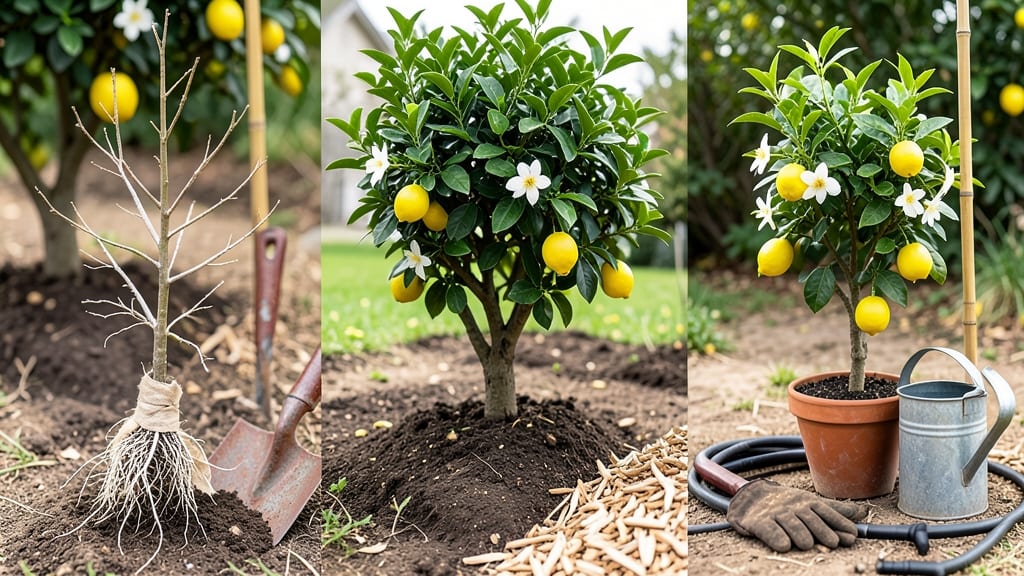
If you’ve ever dreamed of harvesting your own fresh 🍊 from a thriving citrus tree in Phoenix, when to plant citrus trees in the city is the first critical question—and getting it wrong could mean losing your investment before your tree even takes root.
The key to success? Planting your citrus tree during Phoenix’s coolest months—when temperatures are mild enough for root establishment but still warm enough to avoid winter stress.
That means focusing on the window between November and March, when the risk of extreme heat or unexpected cold snaps is lowest.
Why does this matter so much? Unlike other plants, citrus trees are sensitive to both frost and scorching sun, and Phoenix’s desert climate throws both challenges at you year-round.
I’ll show you exactly how to time your planting for maximum survival rates, plus how to prepare your tree for the brutal summer ahead.
Skip the guesswork and learn the exact steps to give your citrus tree the best possible start—so you can enjoy homegrown lemons, oranges, and grapefruits for years to come.
Best months to plant citrus trees in Phoenix (frost-free window)
Phoenix’s frost-free climate (USDA Zone 9b) might seem ideal for citrus trees, but timing still matters to avoid heat stress and root shock. The best window for planting is November through March, when temperatures stay mild and rainfall increases slightly.
This gives your tree 3-4 months to establish roots before summer’s brutal heat arrives.
While Phoenix rarely sees frost, microclimates matter. Higher elevations (like North Phoenix) can drop below 32°F (0°C) in winter, while desert lowlands stay warm year-round. Always check your local frost risk using the National Weather Service or local gardening forums before planting.
Here’s why fall/winter planting wins: cooler temps reduce transplant shock, and deep winter watering keeps roots hydrated as they grow. Avoid planting in April or later—summer’s 110°F+ heat can fry young roots within weeks.
| Month | Temperature Range (°F) | Planting Risk | Root Establishment |
|---|---|---|---|
| October | 65–90°F | Low (but avoid late Oct heatwaves) | Moderate (soil still warm) |
| November | 55–80°F | Ideal (cool nights, mild days) | High (optimal root growth) |
| December–January | 45–75°F | Best (lowest stress) | Very High (slow but deep growth) |
| February–March | 55–85°F | Good (watch for early heat spikes) | High (pre-summer prep) |
| April+ | 80–110°F+ | High (heat shock risk) | Low (roots struggle to adapt) |
For container-grown citrus, you can plant year-round, but November–February still gives the best results. Containers heat up faster in summer, so use black plastic pots (they absorb heat) and bury the pot halfway in the ground to stabilize temps.
Pro tip: If you must plant in summer, do it at dusk and provide 50% shade for the first 2 weeks. Water daily with morning deep soaks to mimic winter conditions. Without this, your tree’s roots will bake in the soil within days.
Phoenix’s soil pH (7.5–8.5) is another hurdle—citrus prefers 6.0–7.0. Amend your planting hole with peat moss or sulfur to lower pH, and mulch heavily (3–4 inches of wood chips) to retain moisture and cool roots.
Local nurseries like Desert Botanical Garden’s plant sales or Tempe Marketplace often have bare-root citrus in winter—these transplant 30% better than potted trees. Ask for ‘Carrizo’ citrange or ‘Improved Meyer’ lemon; both handle Phoenix’s heat well.
After planting, avoid fertilizing for 6–8 weeks. New roots need to focus on establishing, not leaf growth. Instead, water deeply every 5–7 days and watch for yellowing leaves—a sign of overwatering or poor drainage.
Remember: Phoenix’s summer monsoons (July–September) bring sudden downpours, but they’re not reliable. Rely on drip irrigation or a 5-gallon watering can to keep roots moist during dry spells. A well-draining site (like a raised bed) prevents root rot from occasional heavy rains.
🌱
How to prepare citrus trees for Phoenix’s extreme heat after planting
Once your citrus tree is planted in Phoenix’s mild winter months, the real test begins: surviving the 110°F+ summers. The first 30 days post-planting are critical—your tree’s roots need time to adapt before the intense desert sun kicks in.
Start by watering deeply every 5–7 days, focusing on the root zone (not just the leaves). Use a soaker hose or drip irrigation to deliver water slowly and evenly, mimicking natural rainfall.
Phoenix’s alkaline soil (pH 7.5–8.5) can stress young citrus trees, so amend the soil with compost and peat moss to lower pH slightly. Spread a 3–4 inch layer of mulch (wood chips or straw) around the base to retain moisture and regulate soil temperature.
Avoid piling mulch against the trunk—keep it 2–3 inches away to prevent rot.
⚠️ HEAT SHOCK WARNING
Signs your citrus tree is struggling:
- Wilting leaves (even with water)
- Yellowing or brown leaf edges
- Premature fruit drop
- Cracked or peeling bark
Action: Move to partial shade (50%) immediately and increase watering to every 3–5 days.
To acclimate your tree to summer heat, gradually reduce shade over 2–3 weeks starting in late April. Begin with 70% shade cloth and transition to 50% by mid-May.
This hardens the leaves, reducing sunburn risk. Avoid sudden exposure to full desert sun, which can cause leaf scorch within hours.
Fertilizing too early is a common mistake. Wait 6–8 weeks after planting before applying citrus-specific fertilizer (6-6-6 or 8-3-9 NPK). Once you start, feed every 4–6 weeks during the growing season (March–October).
Use a slow-release granular fertilizer to avoid burning young roots. Apply it 6 inches away from the trunk and water thoroughly afterward.
Phoenix’s summer monsoons (July–September) can drown roots if drainage is poor. Ensure your planting site has well-draining soil—amend heavy clay with sand or perlite if needed.
If your tree is in a container, use a fast-draining mix (50% cactus soil, 30% perlite, 20% compost) and elevate pots to prevent waterlogging.
Finally, prune strategically to improve airflow and reduce heat stress. Remove dead or crossing branches in late winter (February), and lightly shape the canopy in early spring to encourage air circulation. Avoid heavy pruning in summer—it stresses the tree when it’s already fighting heat.
💧