
Plants
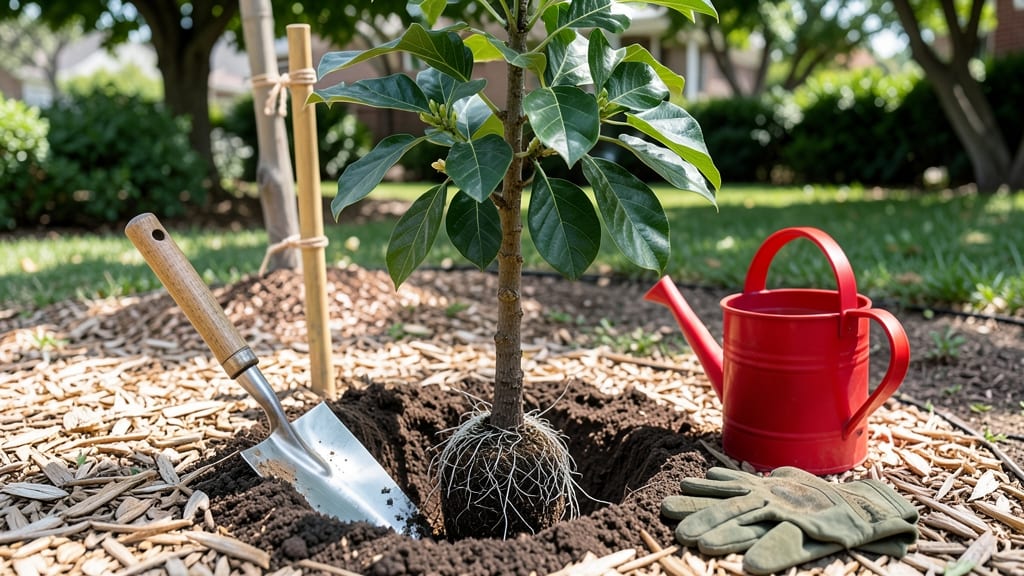
If you’ve ever wondered when to plant an avocado tree in the ground—or why your sapling struggles to take root—timing is the secret weapon you’ve been missing.
Planting at the wrong time can turn your hopeful avocado into a sad, stunted mess, but get it right, and you’ll set it up for fast, healthy growth.
Here’s the deal: avocado trees are tropical divas at heart, and they need warm soil to thrive. In most of the U.S. (like USDA Zone 6), waiting until the soil hits at least 60°F—usually after your last frost—is non-negotiable.
That means spring (after April 15 in Zone 6) is your golden window, but fall can work too if you’re in a milder climate.
But here’s where it gets tricky: frost is the silent killer. Avocado trees hate cold, and even a light freeze can send them into shock.
Whether you’re in sunny California or humid Florida, I’ll break down the exact soil temps and planting windows to avoid common mistakes—so you can skip the guesswork and get straight to a thriving tree.
Ready to plant with confidence? Let’s dive into the fastest, surest way to give your avocado tree the perfect start—no more wasted effort, just strong roots and a future full of creamy, delicious fruit.
Ideal planting times based on soil temperature and USDA zones
Avocado trees thrive in warm climates where soil temperatures stay above 60°F (15°C). Planting too early—when soil is still cool—can stunt root growth or even kill young saplings. The best window is when daytime temperatures consistently reach 70°F (21°C) and soil warmth triggers root activation.
In USDA Zones 9-11 (e.g., California, Florida, Hawaii), you can plant year-round, but spring (March-May) is ideal for fastest establishment. Cooler zones (USDA 7-8) should wait until after last frost—typically April-May—to avoid frost damage.
For Zone 6 or colder, grow avocados in containers and move them indoors during winter. Even in warmer zones, fall planting (6-8 weeks before first frost) works if soil stays warm enough for root growth.
🌱
| USDA Zone | Best Planting Window | Soil Temp Requirement | Key Considerations |
|---|---|---|---|
| 9-11 (e.g., California, Florida) | Year-round (best: March-May) | 60°F+ (15°C+) | No frost risk; plant after soil warms naturally. |
| 7-8 (e.g., Southern Arizona, Coastal NC) | April-May (after last frost) | 65°F+ (18°C+) | Use frost blankets if late frost threatens. |
| 6 or colder (e.g., Central Texas, Containers) | May-June (or container-only) | 70°F+ (21°C+) | Grow in pots; move indoors in winter. |
| All Zones (Fall Option) | 6-8 weeks before frost (Sept-Oct) | 60°F+ (15°C+) | Soil must stay warm; mulch heavily. |
In California, where I’ve planted avocados, the ideal window is March-April when soil temperatures hover around 65°F (18°C). The Hass variety thrives here, but even in coastal areas with milder winters, avoid planting before March 15 to prevent cold stress.
For Florida, you can plant year-round, but summer (June-August) is riskier due to humidity and fungal diseases. Prioritize spring planting for best results.
If you’re in Zone 7 or cooler, like parts of Georgia or Oklahoma, wait until after May 1—when soil temperatures reliably stay above 65°F (18°C). Use a soil thermometer to confirm before planting.
🌿
Microclimates matter! A south-facing slope warms up faster than a north-facing yard, so adjust your planting date accordingly. For example, in Los Angeles, coastal areas may need to wait 2 weeks longer than inland zones to reach safe soil temperatures.
Pro tip: If your area has unpredictable frosts, like Central Texas, opt for fall planting in September to give roots time to establish before winter. Just ensure soil stays above 60°F (15°C) for at least 4-6 weeks post-planting.
🪴
How to test soil warmth and prepare for planting success
Avocado trees thrive when planted in warm soil, ideally between 60°F and 70°F. Cold soil slows root growth, leaving young trees vulnerable to stress.
Before planting, I always check soil temperature using a simple soil thermometer or even a DIY method with a meat thermometer from the kitchen (yes, it works!). Insert it 6 inches deep—the depth where roots will establish—and wait 30 seconds for an accurate reading.
If your soil is too cold, don’t rush planting. Instead, use black plastic mulch or a clear plastic tunnel to warm the soil faster.
I’ve seen this method raise soil temps by 10°F in just 2 weeks, giving avocado trees a head start in cooler climates like USDA Zone 8. For container-grown trees, move pots to a sheltered, sunny spot to warm the root ball before transplanting.
Avocado trees are frost-sensitive, but cold soil is just as deadly. Roots struggle to absorb water and nutrients below 55°F, leading to root rot or stunted growth. In Zone 7 or cooler, wait until soil temps consistently stay above 60°F for at least 2 weeks before planting.
Pro Tip: Use a soil warming mat under pots if you’re planting early in spring. It’s a game-changer for container-grown trees in chilly climates.
Once soil is warm enough, prepare the planting site by amending the soil with compost or aged manure to improve drainage. Avocado trees hate soggy roots, so avoid heavy clay soils. If your yard has poor drainage, consider planting in a raised bed or on a slight mound.
I’ve had great success with a 50/50 mix of native soil and perlite to keep roots aerated and moisture levels ideal.
After planting, mulch around the base with wood chips or straw to retain soil warmth and moisture. Keep the mulch 2-3 inches thick but avoid piling it against the trunk.
This simple step can boost root growth by 30% in the first critical months. Water deeply but infrequently—once a week for young trees—to encourage deep root penetration.
In regions with hot summers, like Zone 10 or 11, plant in late summer or early fall to avoid transplant shock during peak heat. Shade the tree with a lightweight fabric cover for the first few weeks to reduce stress.
I’ve seen avocado trees in Southern California thrive when planted in September, thanks to cooler soil temps and consistent rainfall.
Finally, monitor your tree’s progress. Healthy avocado trees show new leaves within 4-6 weeks of planting. If growth stalls, check for root rot (yellow leaves) or nutrient deficiency (purple stems). Adjust care accordingly—sometimes a balanced fertilizer or extra mulch is all it takes to get them back on track.