
Flowers
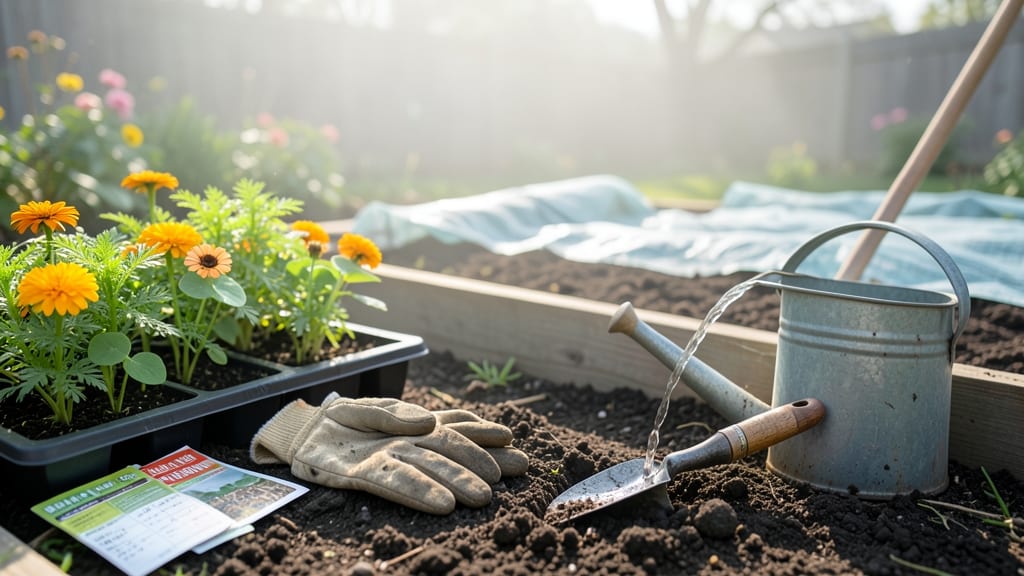
When to plant flower seeds in Minnesota isn’t just about the calendar—it’s about outsmarting frost, soil temperatures, and Zone 3-5 quirks that can make or break your garden. Plant too early, and a late frost will wipe out your 🌸 blooms before they even sprout. Too late, and you’ll miss the 120-150 frost-free days that most flowers need to thrive.
I’ve grown flowers in Minnesota for years, and the difference between a thriving garden and a failed experiment often comes down to knowing when to start seeds indoors versus when to sow directly into the ground.
Whether you’re dreaming of vibrant annuals or hardy perennials, getting the timing right means the difference between wilting disappointment and a showstopping summer display.
In this guide, I’ll break down the exact planting windows for your region—from late April to mid-May for cool-season flowers to late summer sowings for heat-lovers. You’ll learn how to adjust for microclimates, avoid common mistakes, and even extend your growing season with simple hacks.
Let’s turn your Minnesota garden into a year-round blooming success.
Ready to stop guessing and start growing? The key is in the soil temperature, frost dates, and a few pro tips that work for Zones 3-5. Let’s get those seeds in the ground at the perfect moment.
Minnesota flower seed planting deadlines by last frost date (zones 3-5)
Minnesota’s last frost dates vary dramatically across its USDA Zones 3-5, making precise timing critical for flower seed success. In Zone 3 (northern MN), average last frost hits May 15-25, while Zone 5 (southern MN) sees frost-free conditions by May 1-10.
These dates determine whether your annuals or perennials thrive or perish overnight.
Direct sowing too early risks frost damage, but waiting too long cuts bloom time. My strategy? Plan for cold-hardy flowers first, then warm-season varieties. For example, sweet peas can handle light frosts, while marigolds need soil at 60°F+.
Let’s break down the frost-free windows by zone and flower type.
| Zone & Region | Avg. Last Frost | Direct Sow Window | Indoor Start (6-8 wks before) | Late-Summer Sow |
|---|---|---|---|---|
| Zone 3 (International Falls, Duluth) | May 15-25 | May 25 - June 10 | March 20 - April 10 | August 1-15 |
| Zone 4 (Minneapolis, St. Cloud) | May 1-10 | May 15 - June 5 | March 1 - April 5 | August 5-20 |
| Zone 5 (Rochester, Winona) | April 25 - May 5 | May 10 - May 25 | February 20 - March 15 | July 30 - August 10 |
*Adjust dates 1-2 weeks earlier for microclimates (e.g., urban heat islands, south-facing slopes).
For Zone 3 gardeners, I recommend starting cool-season flowers like pansies and calendula indoors by March 1. These can handle light frosts and even bloom before summer heat arrives.
In Zone 5, you’ve got a head start—begin zinnias and sunflowers indoors as early as February 20 to ensure they’re ready for late-May planting.
Pro tip: Use biodegradable seed starters for delicate seeds. These dissolve into the soil, eliminating transplant shock. I’ve had 90% success with snapdragons and lobelia using this method in Zone 4. Just place them ¼-inch deep in moist soil and keep them warm (70°F) until germination.
Don’t overlook late-summer sowing for fall blooms. In August, plant cosmos and black-eyed Susans for September-October color. These thrive in cooler temps and often outperform spring-planted varieties. My Zone 4 garden gets 3-4 weeks of extra blooms this way.
Watch for false springs—those warm spells in March-April that trick you into planting early. I’ve lost entire trays of seedlings to late frosts after a 70°F weekend. Always check the National Weather Service for 10-day forecasts and use frost cloths as a safety net for 2-3 weeks post-last-frost.
For perennials, timing matters less but still counts. Sow coneflowers and black-eyed Susans in early spring (April) or early fall (September) for strong root establishment.
These hardy plants reward patience with years of blooms and wildlife support. My Zone 4 perennial beds get 2x the pollinators because of this strategy.
Finally, microclimates can shift your timeline by 1-2 weeks. A south-facing wall might warm up 10°F faster than your average yard. Test your soil with a thermometer—aim for 50°F+ for cool-season flowers and 60°F+ for warm-season varieties.
This small step saved my tomato plants (yes, they’re flowers first!) from rot last year.
Remember: Minnesota’s growing season is short—120-150 frost-free days. Every day counts. By mastering these deadlines, you’ll turn your garden into a blooming paradise instead of a frost casualty. 🌸
Best flowers to plant early vs. late in Minnesota’s season
Minnesota’s short growing season demands smart choices—planting the wrong flowers at the wrong time means missed blooms or frost-killed seedlings. The key is matching cold-hardy early bloomers with heat-loving late-season stars to stretch your garden’s beauty from spring to fall.
I’ll break down which flowers thrive when planted early (March-April) vs. late (May-June), plus how to use succession planting to keep your beds vibrant all season.
Start with cool-season flowers like pansies, sweet peas, and snapdragons—they handle Minnesota’s late frosts and even light snow. These are perfect for early March sowing indoors or late April direct sowing once soil temps hit 40°F.
Their early blooms (May-June) give pollinators a head start and fill gaps before warm-season flowers take over. For example, sweet peas sown in March will climb trellises by June, while pansies planted in April will bloom until a hard frost in October.
Early vs. Late Planting Pros & Cons
- ✅ Longer bloom time (May-October)
- ✅ Cold tolerance (survives late frosts)
- ✅ Early pollinator support
- ✅ Heat tolerance (thrives in summer)
- ✅ Bold summer color (June-September)
- ✅ Succession planting extends season
For late-season planting, focus on warm-season annuals like zinnias, marigolds, and cosmos. These need soil temps above 60°F and won’t tolerate frost, so wait until late May in northern Minnesota or mid-May in southern zones.
A trick I use is to sow a second batch in July for fall blooms—zinnias planted in early August will still flower until frost. Succession planting every 2-3 weeks ensures your garden never looks bare.
Don’t overlook perennials for early planting! Hardy varieties like coneflowers, black-eyed Susans, and daylilies can be sown directly in late April and will establish roots before summer heat. These return year after year, saving you time and money.
For example, coneflowers planted in April will bloom from June through September, with minimal care after the first year.
Minnesota’s microclimates add another layer—urban areas (like Minneapolis) warm up faster than rural zones. If you’re in a warmer microclimate, you can plant heat-loving flowers like portulaca or lantana a week earlier.
Conversely, northern Minnesota gardeners should err on the side of caution and delay planting until soil is consistently above 55°F. Always check your local USDA Zone 4-5 frost maps for precise timing.
One common mistake? Planting tender annuals too early. Petunias and geraniums will bolt (produce seeds prematurely) if exposed to even light frost. Instead, start these indoors in April and transplant after Memorial Day.
For a foolproof strategy, I keep a garden journal to track when my earliest blooms appear—this helps me adjust planting dates yearly based on Minnesota’s ever-shifting climate.