
Flowers
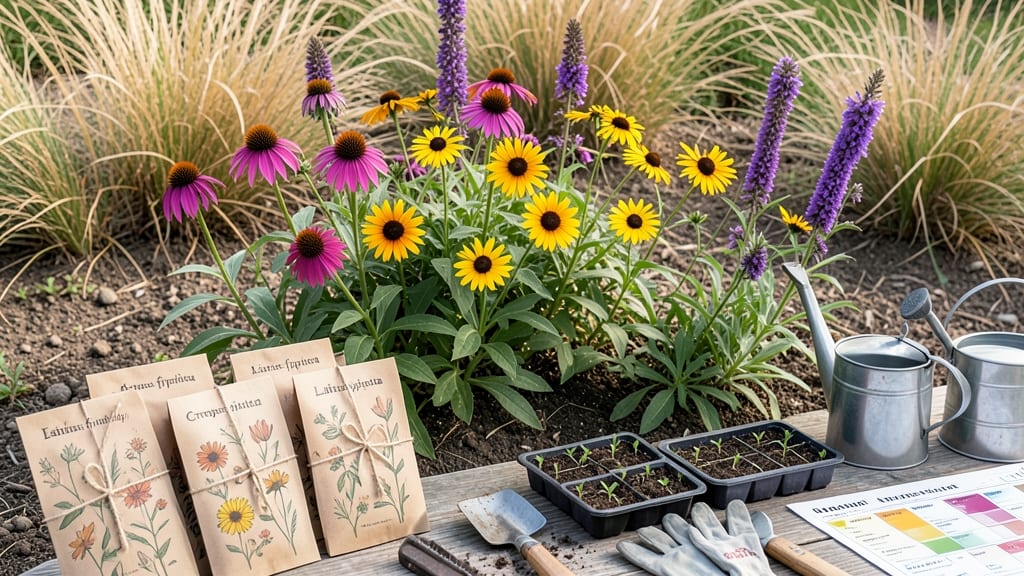
When to plant flower seeds in Kansas is the first step to a thriving garden—getting the timing right means the difference between a burst of color and a season of disappointment. With Kansas’ unpredictable frost dates and shifting spring temperatures, planting seeds too early can leave them vulnerable to late freezes, while waiting too late might delay your summer blooms.
If you're a Kansas gardener, you know the stakes—USDA Zone 6 brings unique challenges, from the windy plains to urban heat islands. The key isn’t just following a calendar; it’s understanding your local microclimate and adjusting your planting window to match.
Let’s break down exactly when to start those seeds indoors, when to direct-sow outdoors, and how to extend your blooming season from spring to fall.
Cool-season flowers like pansies and snapdragons can handle early spring plantings, while warm-season favorites like zinnias and sunflowers need to wait until after the last frost.
I’ll show you how to calculate your frost-free dates, choose the right varieties for your area, and even troubleshoot common planting mistakes that Kansas gardeners face.
Ready to transform your yard into a vibrant oasis? By the end of this guide, you’ll have a clear, actionable timeline tailored to Kansas’ growing conditions—so you can enjoy flowers that thrive, not just survive.
Kansas flower seed planting calendar by season: exact dates for zero frost risk
Kansas's USDA Zone 6 climate means last frost dates vary by 1-2 weeks across cities like Wichita, Topeka, and Kansas City. For zero frost risk, plant cool-season flowers 4-6 weeks before your area's average last frost—typically mid-April to early May.
Warm-season flowers need soil at least 60°F, usually by late May.
Use the National Weather Service or local Kansas State University Extension frost charts to pinpoint your exact dates. I always check my garden journal from past years to adjust for unpredictable spring swings. A delayed frost in May can still threaten early plantings!
Here’s your Kansas planting calendar broken down by season, with frost-free windows and ideal soil temperatures for each flower type:
| Season | Planting Window | Frost Risk | Soil Temp | Example Flowers |
|---|---|---|---|---|
| Early Spring | March 15 - April 15 | High (cover seeds) | 40-50°F | Sweet Alyssum, Pansies, Snapdragons |
| Late Spring | April 15 - May 15 | Moderate (use row covers) | 50-60°F | Calendula, Larkspur, Stock |
| Summer | May 15 - June 30 | Low (frost-free) | 60-70°F | Zinnias, Sunflowers, Cosmos |
| Fall | August 1 - September 15 | Moderate (choose hardy varieties) | 50-60°F | Marigolds, Bachelor’s Buttons, Nasturtiums |
For Wichita and western Kansas, aim for April 20-May 10 for cool-season flowers, as these areas tend to have earlier last frosts. In Kansas City and eastern Kansas, wait until May 1-15 to avoid late frosts. I’ve learned the hard way—don’t rush!
Warm-season flowers like sunflowers and cosmos thrive when planted after May 15, once soil temperatures stabilize. Use a soil thermometer to confirm—60°F+ is ideal for germination. If your soil runs cold, try black plastic mulch to warm it faster.
Extend your bloom season by planting fast-germinating flowers like zinnias in late June for fall color. These varieties tolerate cooler temps better than slow starters. Always check seed packets for "days to maturity"—this tells you how quickly you’ll see blooms!
Pro tip: Mark your calendar with local frost dates and set reminders for soil warming tricks. A clear plastic tunnel over seed beds can add 5-10°F of warmth, giving you 2 extra weeks of planting time in spring.
Remember, Kansas winds can dry out seeds fast. Always water gently after planting and use mulch to retain moisture. For container gardens, start seeds 2 weeks earlier—they warm up faster in pots.
🌱
Best flowers to plant in Kansas by month: fast-growing vs. slow-germinating varieties
Kansas gardeners can’t afford to waste time on flowers that take forever to bloom. Fast-germinating varieties like cosmos and zinnias pop up in as little as 7-10 days, while delphiniums or foxgloves may take 21-30 days to sprout.
Matching your planting month with the right flowers ensures a nonstop bloom parade from spring to frost.
For spring planting, prioritize cool-season flowers like snapdragons and calendulas, which tolerate light frosts and bloom in 6-8 weeks. In summer, switch to heat-loving annuals like sunflowers and marigolds, which thrive in Kansas’ 90°F+ temperatures and bloom in 4-6 weeks from seed.
Here’s my month-by-month breakdown of the fastest and most reliable flowers for Kansas gardens, plus pro tips to extend your bloom season without dead zones.
| Month | Fast-Germinating Flowers (7-14 Days) | Slow-Germinating Flowers (21+ Days) | Pro Tip |
|---|---|---|---|
| March-April | Sweet Alyssum, Pansies, Calendulas | Foxgloves, Delphiniums | Start indoors 4-6 weeks before last frost |
| May | Cosmos, Zinnias, Sunflowers | Black-Eyed Susans, Coneflowers | Direct-sow after soil reaches 60°F |
| June-July | Marigolds, Portulaca, Nasturtiums | Dahlias, Hollyhocks | Succession plant every 2 weeks for continuous blooms |
| August-Sept | Amaranth, Celosia, Sweet Peas | Sweet William, Larkspur | Use black plastic mulch to warm soil for late blooms |
My top 3 fast-blooming picks for Kansas gardens are cosmos (self-seeds like crazy), zinnias (butterfly magnets), and marigolds (pest-repelling powerhouses). These three alone can give you color from June through October with minimal effort. For extended seasons, try succession planting every 2 weeks in late spring and summer.
If you’re new to Kansas gardening, start with easy annuals like petunias or geraniums—they forgive mistakes and bloom nonstop with basic care. For perennials, plant black-eyed Susans or coneflowers in early spring; they’ll return year after year with zero replanting.
Pro move: Label your seeds with planting dates so you can track which varieties perform best in your microclimate. Kansas’ variable weather means some years you’ll crush it, and others you’ll need to adjust timing—but with this list, you’ll always have something blooming.