
Plants
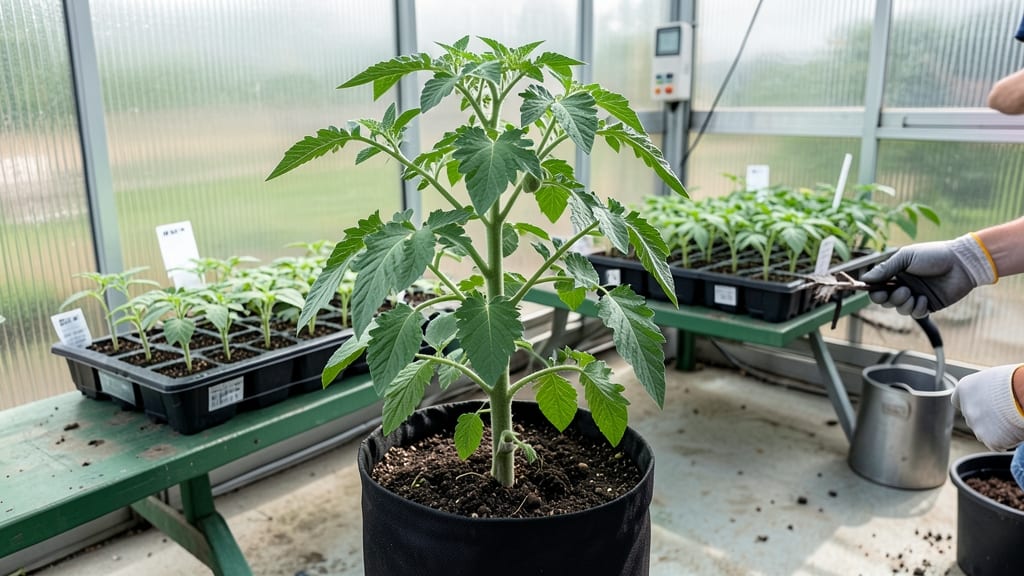
Planting tomato plants in a greenhouse isn’t just about checking a calendar—it’s about unlocking faster germination by tapping into the perfect soil temperature triggers.
When you nail this timing, you’re not just waiting for seeds to sprout; you’re setting the stage for a 6-week head start on your harvest compared to outdoor planting.
Most gardeners in USDA Zone 6a (like me!) start their 🍅 tomato seeds indoors in late winter, but a greenhouse changes the game. With controlled warmth, you can begin as early as February, giving seedlings a strong foundation before they ever face the unpredictability of spring weather.
The key? Monitoring soil temps to hit that sweet spot for rapid growth.
Here’s the secret: Tomato seeds germinate best when soil stays between 70°F–90°F, but keeping them too warm too soon can backfire. I’ll show you exactly how to balance heat, humidity, and planting dates to avoid common pitfalls—like leggy seedlings or slow starts—that waste precious growing time.
Whether you’re a first-time greenhouse gardener or a seasoned pro, these insights will help you maximize your yield by aligning planting with your climate’s natural rhythms. Let’s dive into the science (and shortcuts) that make all the difference.
Optimal soil temperature ranges for planting tomato seeds in a greenhouse
A greenhouse gives you complete control over soil temperatures, but even there, timing matters. Tomato seeds need consistent warmth to germinate quickly—too cold, and they’ll linger for weeks; too hot, and they may rot.
The sweet spot? 60°F–90°F for different growth stages. Let’s break down the exact ranges and how to maintain them.
First, focus on germination temperatures between 70°F–85°F. This is when your seeds first crack open and sprout. If your greenhouse dips below 60°F, germination slows dramatically, leaving you waiting weeks for those first green leaves. Use heat mats under seed trays to stabilize temperatures during cool mornings.
Once sprouts emerge, shift to root development temperatures of 65°F–75°F. At this stage, roots grow rapidly, but excessive heat can stress seedlings. Monitor closely—if soil temps climb above 80°F, increase airflow with small fans to prevent overheating. This balance ensures sturdy seedlings ready for transplanting.
For transplanting readiness, aim for 70°F–80°F soil temperatures. Hardened-off seedlings thrive in this range, and the greenhouse’s controlled environment helps them adjust without shock. If your region has unpredictable spring weather, a greenhouse lets you extend the growing season by keeping soil warm even when outdoor temps fluctuate.
Now, let’s clarify the exact ranges with a quick reference—because even a few degrees can make the difference between fast germination and failed sprouts.
| Growth Stage | Ideal Soil Temp (°F) | Greenhouse Tip |
|---|---|---|
| Germination | 70°F–85°F | Use heat mats; cover trays with plastic wrap for humidity. |
| Seedling Growth | 65°F–75°F | Increase airflow with small fans; avoid direct heat sources. |
| Transplant Readiness | 70°F–80°F | Hardened seedlings thrive here; monitor for pests during transition. |
| Post-Transplant | 60°F–90°F | Extend season with shade cloth if temps exceed 90°F. |
Pro tip: Use a soil thermometer to check temps at seed level—surface temps can mislead you. Bury the probe 1 inch deep, where roots will form, and adjust your greenhouse’s heating or ventilation accordingly. If your greenhouse lacks built-in thermostats, a simple dial thermometer ($10–$15) does the trick.
Regional differences matter too. In USDA Zones 3–5, start seeds indoors by February 1st to hit germination temps early. In Zones 6–10, you can delay until March 15th while still maintaining ideal conditions.
The greenhouse’s insulation lets you override outdoor weather, so plan based on soil temps, not air temps.
One common mistake? Assuming higher temps always mean faster growth. While tomatoes love warmth, soil above 90°F can cause seed rot or weak seedlings. Balance is key—think of your greenhouse like a cozy greenhouse spa for your plants, not a sauna.
Use shade cloth or open vents on sunny days to regulate temps naturally.
Finally, pair temperature control with humidity management. Tomato seeds need 60–70% humidity to germinate. Use a humidity dome over seed trays or mist lightly with water (avoid soaking). Once sprouts appear, reduce humidity gradually to 40–50% to prevent fungal diseases like damping off.
Master these soil temp triggers, and you’ll see faster germination, healthier seedlings, and a longer harvest window—all thanks to your greenhouse’s controlled environment. 🌱
Step-by-step greenhouse planting schedule by climate Zone
Greenhouse gardening lets you beat seasonal limits, but your tomato planting schedule still depends on USDA climate zones and soil temperature triggers. Unlike outdoor gardens, greenhouses let you start earlier—but timing still matters. Here’s how to align your greenhouse planting with your local climate for maximum success.
For USDA Zones 3–5 (cold winters), aim to start seeds indoors 8–10 weeks before your last frost date. In a greenhouse, this means early February to mid-March, when soil temps hover around 60°F (15°C).
In Zones 6–8, you can push it even earlier—late January to early February—thanks to controlled greenhouse warmth.
In Zones 9–10 (mild winters), your greenhouse becomes a year-round playground. Start seeds in December or January for spring harvests, then repeat in July–August for fall crops. The key is maintaining consistent soil temps between 70°F–80°F (21°C–27°C) for steady germination.
Greenhouse Tomato Planting Timeline by Zone
- Zones 3–5: Start seeds Feb 1–Mar 15 (soil 60°F+). Transplant Apr 15–May 1 after last frost.
- Zones 6–8: Start seeds Jan 15–Feb 15 (soil 65°F+). Transplant Mar 15–Apr 15.
- Zones 9–10: Start seeds Dec 1–Jan 31 (soil 70°F+) or Jul 1–Aug 15 for fall.
Note: Adjust for early/late frosts in your microclimate.
Pro tip: Use a greenhouse thermometer to track soil temps. Tomatoes germinate best at 75°F–85°F (24°C–29°C), but roots thrive at 60°F+ (15°C+). If your greenhouse dips below 55°F (13°C), use seedling heat mats or a small space heater to keep seeds cozy.
Don’t forget to harden off seedlings before transplanting! Move them outdoors (or to a shaded greenhouse corner) for 1–2 weeks to toughen them up. This step is critical for Zones 3–6, where temperature swings are extreme. Start hardening off 2 weeks before your target transplant date.
For extended harvests, try succession planting every 2–3 weeks in your greenhouse. This works especially well in Zones 7–10, where you can stagger plantings for continuous tomatoes from spring to fall. Just ensure each batch gets full sun (10+ hours/day) and consistent watering.
Timing isn’t just about dates—it’s about greenhouse microclimates. A well-managed greenhouse in Zone 4 can outperform outdoor beds in Zone 7! Monitor your setup closely, and you’ll enjoy tomatoes months earlier than your neighbors. 🌱