
Flowers
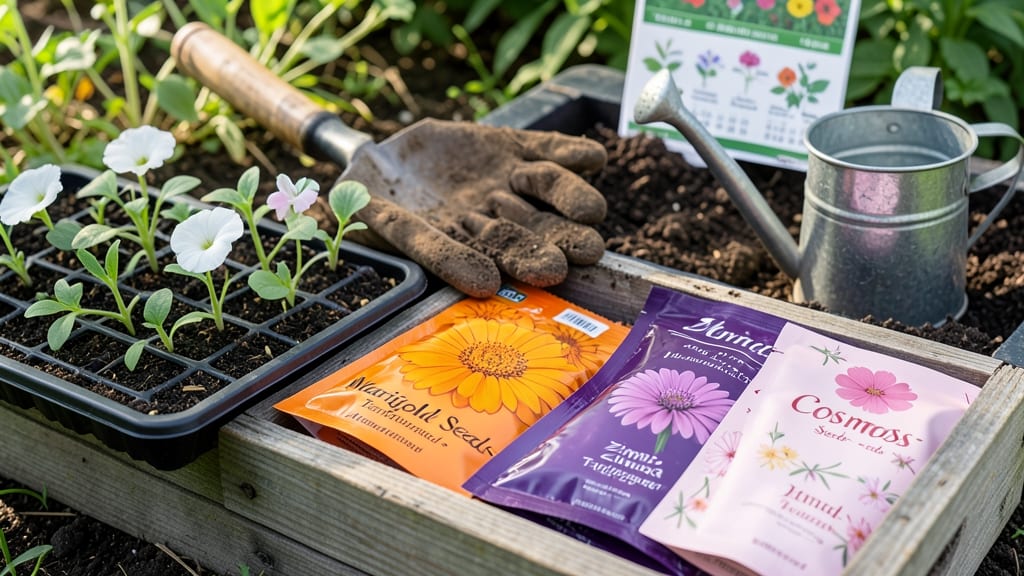
When to plant flower seeds in Tennessee can make the difference between a garden bursting with color and one that struggles to take root.
If you've ever watched frost nip delicate seedlings or summer heat scorch tender sprouts, you know the stakes are high. Tennessee's USDA Zones 7a-7b offer a unique window—spring and fall are your best bets—but getting it wrong means wasted effort and empty flowerbeds.
I’ll break down the exact deadlines for planting flower seeds in Tennessee, from cool-season favorites to heat-loving annuals, so you can start strong and keep blooms coming all season long.
Whether you're a seasoned gardener or just starting, these insights will help you avoid common mistakes and maximize your garden's potential.
Tennessee flower seed planting deadlines by season (zone 7a-7b)
Tennessee’s USDA Zones 7a-7b create a unique 180-220 frost-free growing season, giving gardeners a 6-month window for vibrant blooms. But timing matters—plant too early, and frost zaps tender seedlings; too late, and summer’s heat stunts growth.
Let’s break down the exact deadlines for each season, including regional adjustments for Nashville, Chattanooga, and Knoxville.
Spring planting kicks off in March after the average last frost date (March 15 in Nashville, slightly earlier in Chattanooga). For summer flowers, focus on warm-season crops after soil reaches 60°F (typically late April).
Fall planting runs from August to September, with cool-season flowers thriving until the first frost (November 15).
🌱
| Season | Planting Window | Key Conditions | Regional Notes |
|---|---|---|---|
| Spring | March 15 – May 1 | Soil temp: 50-60°F, Frost-free | Chattanooga: March 10; Knoxville: March 20 |
| Summer | May 15 – June 30 | Soil temp: 60-80°F, Full sun | Avoid July heatwaves; mulch to retain moisture |
| Fall | August 15 – September 30 | Soil temp: 55-65°F, Cool nights | Nashville: September 15 cutoff for hardy varieties |
🌿 Pro Tip: Use a soil thermometer to confirm 60°F+ for warm-season seeds.
For spring-blooming annuals like petunias or marigolds, start seeds indoors 6-8 weeks before the last frost. Perennials like black-eyed Susans or coneflowers can be sown directly in early spring or fall for established roots before winter.
Summer’s heat-loving zinnias or sunflowers thrive when planted after May 15, avoiding early-season cool snaps.
Fall planting is often overlooked but rewards gardeners with early spring blooms. Cool-season flowers like pansies or snapdragons sown in August-September develop strong roots before winter, then burst into color by March. Use row covers to protect seedlings if frost threatens in October.
Microclimates play a role—valleys (like Chattanooga) warm earlier than mountain slopes (Knoxville). Adjust deadlines by ±5 days based on elevation. Urban areas may experience heat islands, extending summer planting slightly later.
🌡️
Extreme weather disrupts timelines. Unpredictable frost in April or early heatwaves in May can derail plans. Monitor local forecasts and use frost cloth for 30-60 days after planting to safeguard seedlings. For high-risk areas, opt for transplants instead of direct sowing.
Plan ahead with a gardening calendar marking your region’s last frost date, soil warming trends, and moon phases (some swear by planting during a waxing moon for better growth). Tennessee’s long growing season is a gift—use these deadlines to maximize blooms from April to October.
Best flowers to plant by seed starting time in Tennessee gardens
In Tennessee’s USDA Zones 7a-7b, choosing the right flowers for your seed-starting schedule means vibrant blooms from spring to fall. Cool-season flowers thrive when planted 6-8 weeks before last frost (mid-March), while warm-season varieties need soil temperatures above 60°F—typically after April 15 in most regions.
Let’s break down the best options for your garden timeline.
For early spring planting, focus on cool-season annuals like pansies, snapdragons, and sweet alyssum. These hardy flowers handle light frosts and bloom beautifully from March through May. Start seeds indoors in February or sow directly in March once soil temperatures rise above 40°F.
My favorite? Pansies—they tolerate 32°F and add color to early spring gardens.
Warm-season flowers like marigolds, zinnias, and sunflowers need warm soil to germinate. Wait until after May 1 in most of Tennessee to sow these seeds directly outdoors. If you’re eager for summer blooms, start petunias and geraniums indoors in March and transplant after the last frost.
These varieties love full sun and thrive in Tennessee’s hot summers.
- 🌱 February-March: Start cool-season flowers indoors (pansies, snapdragons, sweet alyssum). Hardiness: Tolerates 28-32°F.
- 🌿 March-April: Direct-sow hardy annuals (calendulas, stocks) once soil reaches 40°F. Bloom time: Spring to early summer.
- ☀️ April-May: Plant warm-season flowers (marigolds, zinnias) after last frost (April 15). Soil temp: 60°F+.
- 🌻 May-June: Transplant petunias, geraniums started indoors. Sun needs: 6+ hours daily.
- 🌼 August-September: Sow fall-blooming flowers (cosmos, black-eyed Susans). Heat tolerance: Up to 90°F.
Don’t overlook perennial flowers like coneflowers, black-eyed Susans, and daylilies. These Tennessee favorites establish roots in spring and reward you with years of blooms.
Plant seeds or transplants in early spring (March-April) or early fall (September) for best results. My go-to? Coneflowers—they’re drought-tolerant and attract pollinators all summer long.
For extended blooms, mix annuals and perennials in your planting schedule. For example, sow cosmos seeds in late summer (August) for fall color, while hollyhocks (perennials) planted in spring will bloom through summer and early fall. This strategy ensures your garden stays colorful year-round.
Pro tip: Use row covers for early spring plantings to protect tender seedlings from late frosts. And always check your local frost dates—Nashville’s last frost is typically March 15, but Chattanooga may see frost until April 1.
Adjust your schedule accordingly for zero frost risk and happy blooms!