
Trees
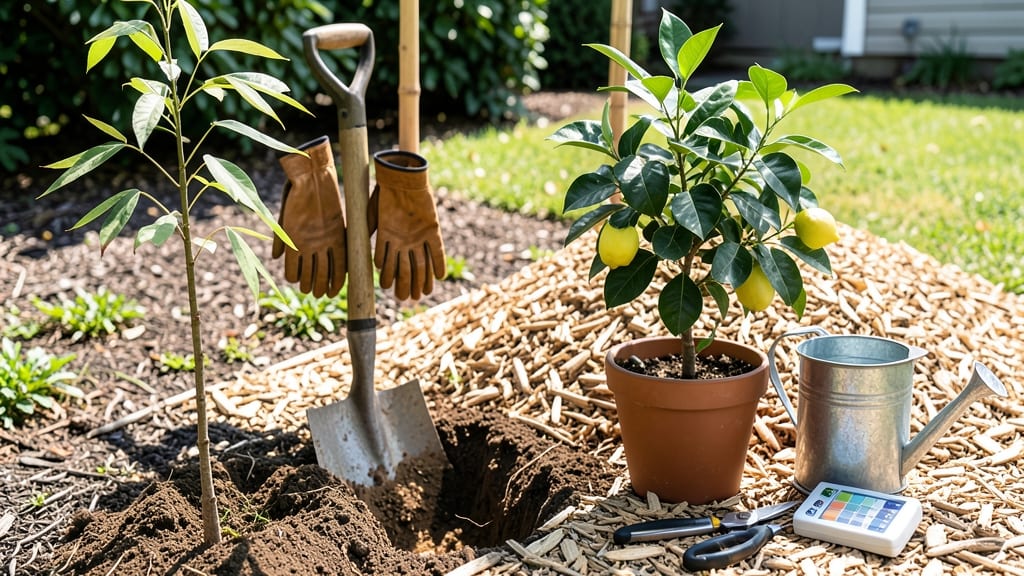
Timing your fruit tree planting in Texas isn't just about the calendar—it's about matching your 🍎 variety to the state's unpredictable climate to guarantee strong roots and future harvests.
Whether you're dreaming of juicy peaches or sweet citrus, getting the window wrong could mean struggling with poor fruit set or even tree failure in the scorching heat.
Most Texas gardeners swear by late winter planting—between January and February—when the soil is cool but workable, and the risk of extreme heat is minimal. This period gives young trees a crucial head start before the summer sun intensifies, while avoiding the frost dangers of early spring.
But here's the catch: not all fruit trees thrive on the same schedule, especially when you factor in Texas's diverse zones from 8a to 10b.
In this guide, I'll break down the best planting windows for your specific fruit tree varieties, from low-chill citrus that loves the heat to peaches that need just the right cold snap.
You'll discover how to prep your soil, choose the perfect location, and keep your tree thriving through Texas's long growing season—so you can enjoy homegrown fruit for years to come.
Ready to plant with confidence? Let's dive into the exact steps that'll set your fruit trees up for success, no matter where you are in the Lone Star State.
Texas fruit tree planting calendar: month-by-month guidelines for optimal growth
Texas gardeners face a unique challenge: balancing extreme heat, variable frost dates, and low-chill requirements for fruit trees. The best planting windows are late winter (January-February) or early spring (March), but your exact timing depends on your USDA zone (7-10) and the fruit tree variety you’re planting.
In North Texas (Zones 7-8), where last frosts hit around February 15, aim to plant bare-root trees in January to give roots time to establish before summer heat arrives.
For South Texas (Zones 9-10), where frosts are rare, fall planting (October-November) works best to avoid 100°F+ summers.
Here’s the key: Dormant trees (without leaves) handle transplant shock better than leafed-out ones. That’s why January-February is ideal—trees are dormant but not yet stressed by summer heat.
🌱
| Region & Zone | Best Planting Months | Why This Timing | Avoid Planting In |
|---|---|---|---|
| North Texas (7-8) | January-February | Cooler temps, dormant trees, 2-3 months before last frost | April-July (extreme heat) |
| Central Texas (8-9) | December-February | Mild winters, avoids summer drought stress | March-September (heat/drought) |
| South Texas (9-10) | October-November or February | Fall avoids summer heat; spring for citrus | May-August (monsoon season) |
| All Regions | March (Early Spring) | Last chance for root establishment before summer | June-August (peak heat) |
For citrus trees (oranges, lemons, grapefruit), February-March is critical—these trees hate frost and need to establish roots before summer’s 100°F+ temperatures. In East Texas (Zone 8), where frosts linger longer, wait until March to plant peaches or apples.
Pro tip: Check your local frost dates (Texas A&M AgriLife has maps) and plant 6-8 weeks before the average last frost. This gives roots time to anchor before heat stress kicks in.
If you miss the winter window, early spring (March) is your next best bet—but be prepared to water deeply and mulch heavily to protect young roots from drying out.
🌿
One common mistake? Planting in summer or fall. Texas summers are brutal—transplant shock + 110°F heat = dead tree. Fall-planted trees in North Texas risk early frosts, while those in South Texas may struggle with hurricane season (June-November).
For container-grown trees, timing is slightly flexible—you can plant year-round, but avoid extreme heat (June-August). These trees need consistent moisture and protection from wind during Texas’ unpredictable storms.
🪴
Remember: Soil temperature matters. For most fruit trees, root zones should be above 60°F at planting. In North Texas, soil warms up by March, while South Texas soil stays warm year-round—just watch for drought stress.
Need a quick rule of thumb? Plant when you can dig a hole and the soil feels cool but not cold—that’s your sweet spot for root growth.
Chill-hour requirements by fruit tree variety: matching species to Texas climate zones
Texas gardeners face a unique challenge: selecting fruit trees that match the state’s warm climate and low chill-hour requirements. Most traditional fruit trees need 500-1,000 chill hours, but Texas’ USDA zones 8a-10b often deliver only 100-500 chill hours.
Choosing the wrong variety can mean poor fruit set or no harvest at all.
Luckily, many low-chill varieties thrive in Texas when planted at the right time. For example, peaches and plums with 200-400 chill hours work well in North Texas, while citrus and figs need almost zero chill hours to flourish. Let’s break down the best matches for your region.
| Fruit Tree | Chill Hours Needed | Best Texas Zones | Planting Window |
|---|---|---|---|
| Peach (e.g., Redhaven) | 500-600 | 8a-9a (North Texas) | Jan-Feb |
| Plum (e.g., Santa Rosa) | 300-400 | 8a-10a | Dec-Feb |
| Apple (e.g., Anna) | 300-400 | 8a-9a | Jan-Feb |
| Fig (e.g., Brown Turkey) | 0-100 | 8b-10b | Oct-Nov or Feb |
| Citrus (e.g., Valencia Orange) | 0 | 9a-10b | Feb-Mar |
| Pecan (e.g., Western Schley) | 100-200 | 8a-10b | Jan-Feb |
If you’re in South Texas (zones 9b-10b), focus on low-chill varieties like figs, citrus, or pecans. These trees thrive with minimal chill hours and can even produce fruit year-round in warmer microclimates.
For North Texas (zones 7b-8a), consider peaches or plums with 300-500 chill hours.
Pro tip: Always check the chill-hour range of your chosen variety before planting. A tree with 600+ chill hours in zone 10a will likely bloom but not fruit.
For example, the Elberta peach (600+ chill hours) won’t set fruit in Houston but may thrive in Dallas or Fort Worth.
Timing also matters—plant bare-root trees in late winter (January-February) to give roots time to establish before summer heat arrives. If you’re in a warmer zone, fall planting (October-November) can work for drought-tolerant varieties like figs or olives.
For container-grown trees, adjust your timeline slightly. These trees can handle transplant shock better and may be planted in early spring (March) as long as frost risk is low.
Just ensure your container has drainage holes and use a well-draining potting mix to prevent root rot in Texas’ intense heat.
🌱