
Plants
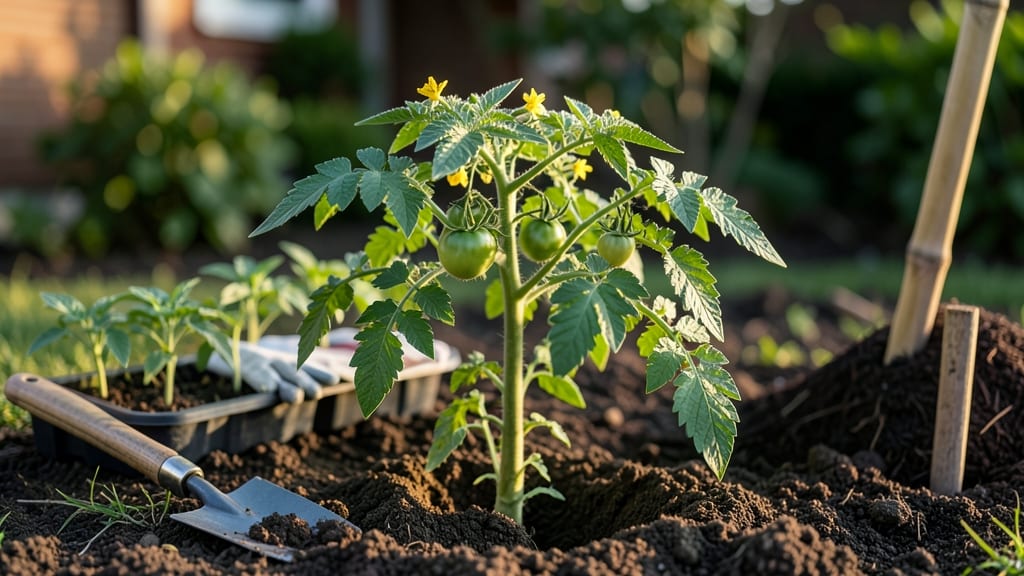
Timing when to plant fall tomatoes in South Texas isn’t just about the calendar—it’s about dodging the double whammy of summer’s scorching heat and December’s unexpected frost. Get the window wrong, and you’ll either watch your seedlings wilt under 100°F or see your harvests cut short by a 32°F surprise.
But here’s the game-changer: planting in mid-August lets you beat the heat while giving your 🍅 vines plenty of time to mature before winter’s chill sets in.
Why does this matter? Because South Texas gardeners know the difference between a bountiful October harvest and a sad, half-ripe tomato sitting on the vine.
The key is understanding your local microclimate—whether you’re in the cooler Rio Grande Valley or the inland heat of San Antonio—and choosing varieties that can handle the transition from summer’s intensity to fall’s cooler nights.
I’ll walk you through the exact dates, soil prep secrets, and care tips to turn your garden into a tomato powerhouse.
Let’s start with the critical planting window: August is your sweet spot, but not all tomatoes are created equal. Heat-tolerant varieties like ‘Solar Fire’ can handle early August starts, while cooler-loving types need to wait until late August.
We’ll break down the best options for your zone and how to prep your soil to avoid the two biggest mistakes that kill fall harvests—overwatering in September’s humidity and nutrient burnout from summer’s harsh conditions.
Once you’ve got your timing and soil right, the real magic happens in the post-planting care. From managing watering schedules to protecting your plants from that first frost, I’ll share the proven strategies that keep South Texas tomatoes thriving until December.
Ready to turn your garden into a fall tomato factory? Let’s get started.
South Texas fall tomato planting timeline: exact dates by variety
Timing is everything in South Texas—plant your fall tomatoes too early, and you’ll battle 100°F+ heat that stunts growth; too late, and December frost ruins your harvest. The sweet spot? Mid-August to early September for most varieties, giving you 120–150 frost-free days to enjoy homegrown tomatoes.
But not all tomatoes thrive equally in our USDA Zones 9a–10a climate.
Coastal areas like Corpus Christi and Brownsville have milder microclimates, while inland spots like San Antonio face earlier frosts. Heat-tolerant varieties like ‘Solar Fire’ or ‘Heatmaster’ can handle August’s residual heat, while cooler-season picks like ‘Mountain Merit’ need September starts. Let’s break it down by variety and region.
| Variety | Best Planting Window | Days to Harvest | Notes for South Texas |
|---|---|---|---|
| ‘Solar Fire’ (Heat-Tolerant) | Mid-August | 65–70 days | Thrives in August heat; harvests by October. |
| ‘Celebrity’ (All-Season) | Late August | 70–80 days | Balanced for coastal/inland; avoid transplant shock. |
| ‘Mountain Merit’ (Cold-Hardy) | Early September | 75–85 days | Tolerates light frosts; ideal for inland areas. |
| ‘Cherokee Purple’ (Heirloom) | Late August (coastal) / Early Sept (inland) | 80–90 days | Needs consistent moisture; mulch heavily. |
For coastal South Texas, you’ve got flexibility—plant ‘Solar Fire’ or ‘Celebrity’ as early as August 10–15 to avoid heat stress. Inland areas should wait until August 20–30 to let soil cool slightly.
Pro tip: Test your soil’s pH (aim for 6.0–6.8) and amend with compost to replenish nutrients after summer’s depletion.
Transplant shock is a real threat in August’s heat. Harden off seedlings by gradually exposing them to afternoon sun for 5–7 days before planting.
Water deeply at transplant time to reduce stress, and avoid fertilizing for the first 2 weeks—your tomatoes need to focus on root establishment, not fruit production.
If you’re pushing for a late-season harvest, consider ‘Super Marzano’ (75 days) or ‘Roma’ (70 days), both of which tolerate cooler temps. But be prepared to cover plants with frost cloth if temps dip below 32°F in December.
Coastal gardeners can often extend harvests until mid-December, while inland areas may need to pull plants by November 15.
One critical deadline you can’t miss: September 15 is the last safe date to plant cold-sensitive varieties like ‘Beefsteak’ or ‘Brandywine’. These need full 90-day growing seasons, and planting later risks unripe fruit before frost.
For these, opt for container growing near your home’s south wall to capture residual heat.
Don’t overlook succession planting—sow a second batch of fast-maturing varieties like ‘Early Girl’ (55 days) in early September. This ensures a continuous harvest from October through November, even if early-planted tomatoes slow down in cooler weather. Just be ready to protect them with row covers by late October.
Finally, keep an eye on South Texas weather forecasts. The National Weather Service often predicts first frost dates by early November, but microclimates can vary.
If frost is forecasted, harvest all ripe tomatoes immediately and let the rest ripen indoors. Unripe fruit can be peeled, chopped, and frozen for winter use.
With these region-specific timelines and variety choices, you’ll avoid the summer heat trap and frost race that derail so many South Texas tomato gardens. Next up: how to extend your season even further with frost protection and soil hacks—stay tuned! 🌱
How to extend your South Texas fall tomato season without frost damage
South Texas’ unpredictable late-season weather can turn a bountiful tomato harvest into a frost-killed disappointment. But with the right strategies, you can push your fall tomato season past December—even in USDA Zones 9a-10a.
The key? Combining cold-hardy varieties, protective row covers, and soil warming hacks to outsmart the elements.
Start by choosing late-season tomato varieties like ‘Solar Fire’ or ‘Mountain Merit’, which tolerate cooler temps better than standard varieties. These can handle 50°F nights without major stress, buying you extra weeks of harvest.
Pair them with black plastic mulch in early August to warm the soil and jumpstart growth—this can add 2-3 weeks to your season.
Don’t forget to harvest before frost—even if tomatoes aren’t fully ripe. Green tomatoes can be ripened indoors in a paper bag with a banana for 3-5 days. For long-term storage, freeze whole tomatoes or make sun-dried slices to preserve your labor.
With these techniques, I’ve extended my fall tomato season from November to mid-December in Corpus Christi. The secret? Start early, protect aggressively, and harvest strategically. Your taste buds—and your freezer—will thank you.