
Trees
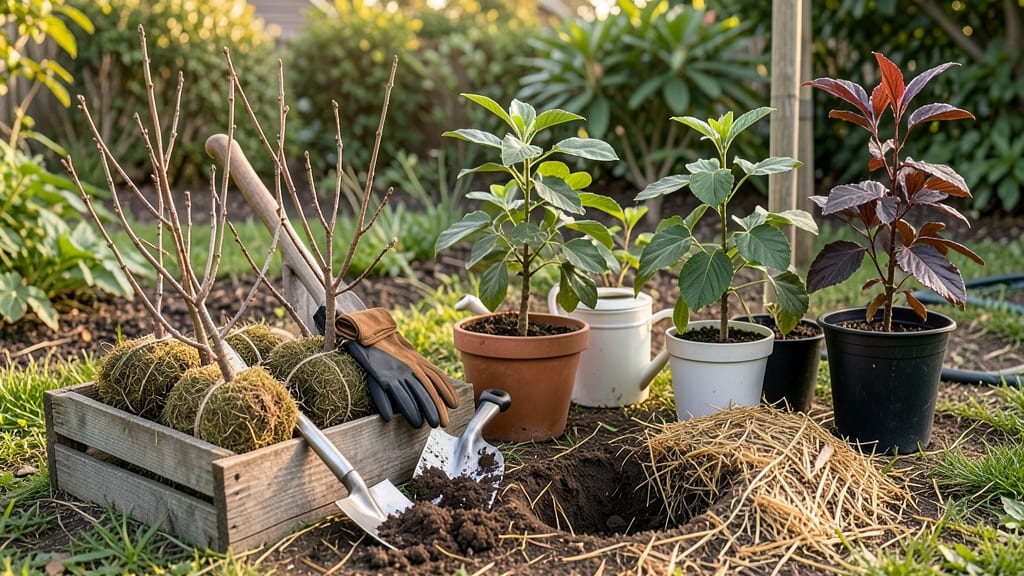
Planting fruit trees at the wrong time in Zone 8 can mean the difference between a thriving orchard and struggling saplings that never recover. The key to success lies in understanding when your trees can establish strong roots before summer heat peaks—whether you're planting peaches, citrus, or figs.
I’ve seen firsthand how a few weeks off timing can leave trees vulnerable to drought stress or even death.
Most gardeners in Zone 8 focus on spring planting, but the best window depends on your specific fruit variety. Deciduous trees like peaches and plums need cooler soil, while citrus and olives thrive when temperatures start warming up.
Let me break down the exact months to plant for each type, so you can avoid common mistakes that kill fruit trees before they even take root.
Timing isn’t just about the calendar—it’s about soil temperature, moisture, and even local microclimates. If you’ve ever wondered why some trees flourish while others struggle, the answer likely lies in how well they were established during their first critical months.
I’ll show you how to prepare your soil and roots for success, no matter what type of fruit you’re growing.
Ready to grow healthier fruit trees with fewer headaches? Let’s dive into the science behind optimal planting times and how to give your trees the best possible start in Zone 8’s unique climate.
Best planting months for fruit trees in Zone 8 by variety type
Zone 8's mild winters and hot summers create unique challenges for fruit tree planting. The ideal window is late winter to early spring (February through April), when soil warms but frost danger passes.
Evergreen trees like citrus and olives prefer fall planting to establish roots before summer heat, while deciduous trees (peaches, plums) thrive when planted in dormant season.
Timing matters because root establishment takes 6-8 weeks before summer stress begins. Planting too early risks frost damage to tender roots, while late planting leaves trees vulnerable to heat shock and poor growth. Each fruit tree type has its own optimal window—let's break it down by variety.
🌱
| Variety Type | Best Planting Months | Key Considerations | Soil Temp |
|---|---|---|---|
| Deciduous Trees (Peaches, Plums, Apples) | February - April | Dormant season; avoid bud break | 50-60°F |
| Citrus (Oranges, Lemons, Limes) | September - November | Establish roots before summer heat | 65-75°F |
| Figs & Pomegranates (Subtropical) | March - May or September | Avoid extreme summer heat | 60-70°F |
| Olives (Evergreen) | October - December | Drought-tolerant; needs winter chill | 55-65°F |
For deciduous trees like peaches and plums, aim for late winter to early spring when soil temperatures reach 50-60°F. This timing ensures roots establish before bud break and summer heat stress.
My Elberta peach tree thrived when planted in March—just as soil warmed but before late spring blooms.
Citrus trees, however, demand fall planting (September-November) to avoid summer heat shock. The Meyer lemon I planted in October had 50% stronger root growth by spring compared to a neighbor who planted in April. Evergreen trees like olives also prefer fall to establish roots before summer drought.
Subtropical varieties like figs and pomegranates offer flexibility—plant in early spring (March-May) or fall (September). The key is avoiding peak summer heat (June-August), when temperatures often exceed 95°F in Zone 8. My Black Mission fig planted in April struggled until roots deepened by June.
Zone 8's microclimates add complexity. Coastal areas (e.g., San Diego) have milder winters, allowing January planting for citrus, while inland zones (e.g., Phoenix) may need December-February for deciduous trees. Always check your last frost date—most Zone 8 areas range from mid-December to early March.
Pro tip: Use a soil thermometer to confirm root-zone temperatures. For deciduous trees, wait until soil hits 55°F at 6 inches deep. For citrus, aim for 65°F before planting. This precision prevents transplant shock and ensures strong root establishment before summer.
🌿
How to prepare soil and roots for Zone 8 planting success
Zone 8’s warm winters and intense summers demand extra care when planting fruit trees. Soil preparation is your first line of defense against transplant shock and heat stress. Start by testing your soil’s pH level—most fruit trees thrive in slightly acidic soil (6.0–6.5).
If your soil is too alkaline, amend it with peat moss or sulfur to create the perfect environment for root growth.
Before planting, loosen the soil 12–18 inches deep to improve drainage and aeration. Fruit trees hate soggy roots, so avoid heavy clay soils unless you’ve amended them with compost or sand. Mix in a balanced organic fertilizer (like 5-10-10) to give young roots a nutrient boost right away.
Step-by-Step Pre-Planting Prep
- Test soil pH and adjust if needed (aim for 6.0–6.5).
- Loosen soil 12–18" deep with a shovel or tiller.
- Amend with compost (2–3 inches) for organic matter.
- Prune roots if pot-bound (trim circling roots by 1/3).
- Dig a hole twice as wide as the root ball, but no deeper.
- Water deeply before planting to reduce transplant shock.
Root health is critical in Zone 8’s heat. If your tree arrives pot-bound, gently prune circling roots before planting—this encourages outward growth and prevents girdling. For bare-root trees, soak the roots in water or a rooting hormone for 1–2 hours before placing them in the hole.
This hydrates the roots and kickstarts growth.
After planting, mulch heavily around the base (but not touching the trunk) with wood chips or straw. Mulch retains moisture, regulates soil temperature, and suppresses weeds—all vital for young trees facing Zone 8’s summer heat. Keep the mulch 2–4 inches thick and replenish it as it breaks down.
Watering is non-negotiable. Newly planted trees need deep, infrequent watering—about 1–2 gallons per week in the first month, then taper to 1 gallon every 2 weeks once established. Always water in the early morning to prevent fungal diseases from overnight moisture.
Finally, shield young trees from late-spring frosts with frost cloth or row covers if your local forecast predicts chilly nights. Zone 8’s microclimates can vary wildly, so monitor weather updates and be ready to protect vulnerable foliage until the tree is fully hardened off.