
Trees
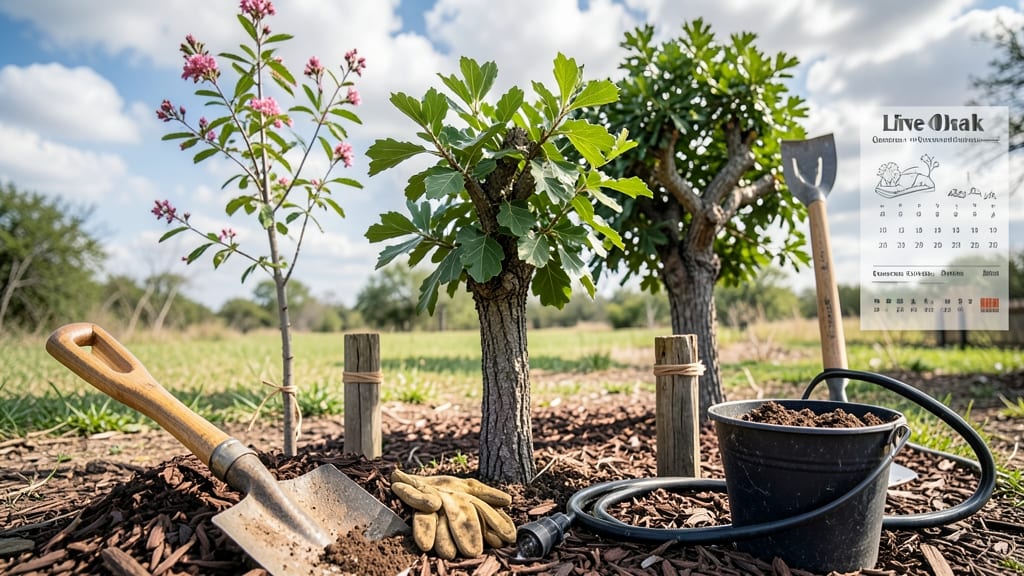
If you're asking "when is the best time to plant trees in North Texas", the answer isn't just about picking a month—it's about understanding how soil warmth and rainfall work together to give your 🌳 its strongest start.
North Texas' 8a climate zone means planting too early or too late can leave your tree struggling with drought stress or frost damage. The ideal windows—fall (October-November) and early spring (February-March)—align with nature's rhythm, giving roots time to establish before summer's brutal heat.
But here's the kicker: bare-root trees and container-grown varieties each have their own sweet spot. I'll break down exactly which approach works best for your specific tree type and how to adjust your watering schedule to match North Texas' unpredictable rainfall patterns.
Let's cut through the guesswork so you can plant with confidence—and watch your trees thrive for decades to come.
North Texas planting windows: optimal months by tree type and survival factors
North Texas gardeners know the stakes are high when planting trees—survival rates drop by 50% or more if you miss the ideal windows. The two golden periods for planting are fall (October-November) and early spring (February-March), but not all trees thrive equally in these seasons.
Deciduous trees like live oaks and pecans often fare better in fall, while evergreens such as pines prefer spring’s milder temperatures.
Urban areas like Dallas and Fort Worth face unique challenges: heat islands can delay soil cooling in fall, while rural zones like the Hill Country enjoy cooler nights earlier.
Always check your USDA Zone 8a frost dates—first frost typically arrives November 15, and last frost lingers until March 15. Planting too late in fall risks frost damage, while spring planting must finish before summer’s 100°F+ soil temperatures stress young roots.
Bare-root trees (like red oaks) need moist, cool soil—ideal in October’s 60-70°F range. Container-grown trees offer more flexibility but still benefit from spring’s consistent rainfall. Evergreens, including cedar elms, handle spring planting better because their roots establish before summer droughts hit.
Here’s how to align your planting with North Texas’ rainfall patterns and soil conditions for maximum success:
| Season | Soil Temp | Rainfall (in) | Best Trees | Survival Tip |
|---|---|---|---|---|
| Fall (Oct-Nov) | 60-70°F | 3-4" | Live Oak, Pecan, Redbud | Plant before first frost; water deeply. |
| Early Spring (Feb-Mar) | 55-65°F | 2-3" | Pine, Cedar Elm, Crape Myrtle | Avoid summer heat; mulch heavily. |
| Avoid | >80°F or <40°F | <1" | All species | Risk of root shock or drought. |
For urban plantings, adjust timing by 2-3 weeks later—concrete and pavement retain heat longer, delaying soil cooling. Rural areas can plant 1-2 weeks earlier thanks to cooler nights.
Always dig a test hole to check soil moisture: if it’s dry at 6 inches deep, wait for rain or irrigate before planting.
Evergreens like eastern red cedar need spring planting to avoid winter desiccation, while native pecan trees thrive in fall’s cooler temps. Match your tree’s native growing season to North Texas’ climate—most species follow the "cool roots, warm tops" rule, meaning roots should establish in cooler months.
Pro tip: Bare-root trees (sold dormant) must be planted within 24-48 hours of purchase. Container-grown trees offer more flexibility but may need root pruning if pot-bound. Always loosen roots gently before backfilling to encourage spread.
North Texas’ summer droughts (June-August) make planting risky—survival rates plummet if trees can’t establish roots before heat stress sets in. Prioritize deep watering (10-20 gallons per tree) in the first year to combat clay soil’s poor drainage.
Urban gardeners should also account for city water restrictions—some areas ban outdoor watering during peak summer months. Plan ahead by mulching 3 inches deep to retain moisture and regulate soil temperature.
Timing isn’t just about the calendar—it’s about soil conditions, rainfall, and your tree’s native habits. Use these windows as a guide, but always adapt to your microclimate. A well-planted tree in North Texas can live decades, but the first year is critical for setting roots deep and strong.
Soil warmth vs. rainfall: the hidden battle for root establishment in North Texas
North Texas’ soil temperature and rainfall patterns create a delicate balance that determines whether your newly planted tree thrives or struggles. Unlike cooler climates, 60°F soil is the magic threshold—below this, roots stay dormant, while above it, they actively grow.
But rainfall? That’s the wildcard, especially in our USDA Zone 8a where droughts can turn soil to dust faster than you can say "Texas heatwave."
Fall planting (October-November) gives trees a head start because cooler air and warmer soil create ideal conditions. By contrast, spring planting (February-March) risks rapid evaporation as temperatures climb. The key? Understanding how to supplement nature’s timing with mulch and strategic watering.
| Factor | Fall Planting (Oct-Nov) | Spring Planting (Feb-Mar) |
|---|---|---|
| Soil Temp | 60-70°F | 55-65°F |
| Rainfall | 2-3 inches/month | 1-2 inches/month |
| Moisture Retention | High (cooler temps) | Low (evaporation risk) |
| Best For | Oaks, Pecans, Pines | Fast-growing species (e.g., Crape Myrtle) |
To test soil readiness, stick a soil thermometer 6 inches deep—if it reads below 60°F, wait. For rainfall, monitor local forecasts: aim for 1-1.5 inches of rain per week during the first month post-planting.
If Mother Nature skips, drip irrigation is your best friend, delivering water slowly and deeply to encourage root growth downward.
Mulch isn’t just decoration—it’s a moisture shield. Apply 3 inches of organic mulch (like shredded bark) in a 3-foot-wide ring around your tree’s base. This keeps soil 5-10°F cooler in summer and retains 30% more moisture than bare soil.
Just keep mulch 6 inches away from the trunk to prevent rot.
Evergreens like Live Oaks and Pines need extra care in spring because their roots won’t slow down when temperatures rise. If you plant in March, water twice weekly for the first month, then taper to once weekly.
For deciduous trees like Redbuds, fall is ideal—they’ll leaf out earlier in spring, giving them a competitive edge.
Don’t fall for the myth that "anytime is a good time" in North Texas. Soil warmth and rainfall timing are non-negotiable. Use a weather app with soil moisture alerts to stay ahead, and always water in the morning to minimize evaporation. Your tree’s survival depends on it—literally.