
Plants
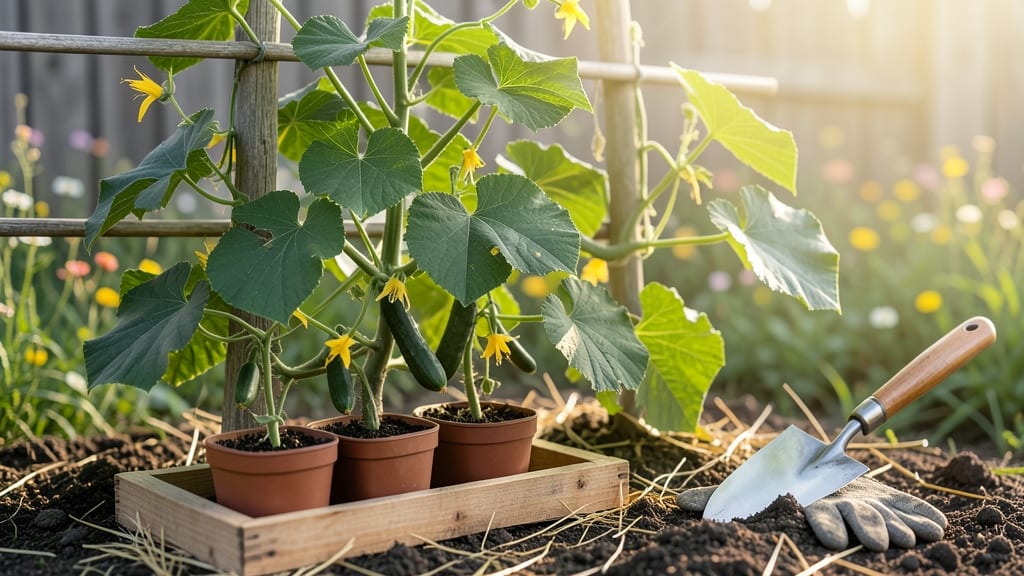
If you’ve ever planted cucumbers in South Florida only to watch them bolt into bitter, seedy messes before you could even harvest one, you’re not alone.
The key to avoiding this frustrating cycle lies in understanding when to plant cucumbers—specifically, when your soil reaches the perfect temperature for growth, not just when the calendar says "spring."
Unlike northern climates, South Florida’s 10a-11 zone means you can grow cucumbers year-round, but timing matters more than ever. Plant too early, and your 🥒 vines will struggle with cooler soil temps; wait too long, and summer’s heat will send them into a desperate bolt.
I’ll show you exactly how to read soil temperature cues and adjust your planting schedule to maximize juicy, productive harvests—no wasted effort.
This isn’t just about picking a month from a chart. We’re talking soil thermometers, mulch tricks, and microclimate hacks that work for Miami’s humidity, Orlando’s heat spikes, and Naples’ coastal breezes.
By the end, you’ll know the exact window to plant for each season—and how to stretch your harvests longer than ever before.
Ready to ditch the guesswork? Let’s turn your cucumber patch from a gamble into a guaranteed harvest.
South Florida cucumber planting calendar: exact soil temp tricks to prevent bolting
Cucumbers thrive in South Florida’s warm climate—but only when planted at the right soil temperature. Unlike cooler regions, we focus on soil temps (not air temps), since cucumbers bolt (flower prematurely) when stressed by heat. The magic number? 60°F minimum for consistent germination and growth.
Here’s the secret: South Florida’s microclimates vary wildly—Miami’s coastal breezes keep soil cooler than inland Orlando, while Naples’ humidity demands extra moisture. A soil thermometer (just $10 at garden centers) becomes your best friend to time plantings perfectly.
🌱
| Region | Best Planting Window | Soil Temp | Key Tips |
|---|---|---|---|
| Miami/Dade | Feb 15–Mar 15 Sep 1–Oct 15 |
60–65°F | Coastal breezes delay heat—plant early. Use black plastic mulch to warm soil faster. |
| Orlando/Lake County | Mar 1–Apr 15 Aug 15–Sep 30 |
65–70°F | Inland heat arrives faster—wait for consistent 65°F+ soil. Drip irrigation essential. |
| Naples/Fort Myers | Jan 15–Feb 10 Aug 1–Sep 1 |
62–68°F | Humidity + heat = fungal risk. Use 30% shade cloth for seedlings until hardened. |
| All Regions (Summer) | Jun 1–Jul 15 | 70°F+ (risky) | Only heat-tolerant varieties (like 'Straight Eight'). Plant with 50% shade cloth and daily watering. |
I’ve learned the hard way that air temperature ≠ soil temperature. A 90°F afternoon might hide 50°F soil—perfect for bolting. Always check soil temps 1 inch deep in the morning (before sun heats it).
Pro tip: Black plastic mulch raises soil temps by 5–10°F in just days, giving you a 2-week head start on the season.
For year-round production, stagger plantings every 2–3 weeks after your first batch. This ensures a continuous harvest while avoiding the June "bolt trap"—when cucumbers flower but fruit poorly in extreme heat.
I once planted a January batch in Naples and harvested until May by using row covers on cooler nights.
💧
One common mistake? Planting too late in fall. By November, soil temps drop below 60°F, slowing growth. Instead, aim for September plantings in inland areas (Orlando) or October near the coast (Miami).
Test your soil’s moisture retention too—sandy soils dry out fast, while clay holds too much water. Amend with compost to strike the balance.
🌡️
Here’s my non-negotiable
How to extend your cucumber season in South Florida: shade cloth, mulching, and succession planting hacks
South Florida’s summer heat can turn your cucumber plants into sad, wilted shadows—but with the right tricks, you can stretch your harvest from spring through fall. The key?
Combating heat stress and soil moisture loss while keeping plants productive. I’ve tested these methods in my Miami garden, and they’ve doubled my harvest window!
Start with shade cloth to protect young plants from intense afternoon sun. A 30-50% shade cloth reduces temperatures by 10-15°F, preventing bolting while still allowing enough light for growth. For mature plants, drip irrigation paired with mulch keeps roots cool and hydrated—critical during our 90°F+ spells.
🌱Pro Tip: Use black plastic mulch in summer to absorb heat and suppress weeds, while straw mulch in spring/fall retains moisture without overheating soil.
🌡️ 3 Essential Heat-Beating Strategies
- Shade Cloth Hack: Install 30% shade over seedlings, upgrade to 50% for mature plants in peak summer. Secure edges tightly to avoid wind damage.
- Mulch Layer: Apply 3-4 inches of straw in spring/fall or black plastic in summer. Replenish every 6-8 weeks.
- Succession Planting: Sow new seeds every 2-3 weeks from March to October. Stagger plantings to ensure continuous harvests.
For succession planting, I recommend sowing seeds in 2-week intervals during warm months. This ensures you always have young, productive vines while older plants mature. Pair this with vertical trellising to save space and improve airflow, reducing disease risk in our humid climate.
💧Watering Wisdom: Always water early morning (6-9 AM) to prevent fungal diseases. Use drip irrigation or soaker hoses to deliver water directly to roots, minimizing evaporation.
Don’t forget to harvest frequently—picking cucumbers every 2-3 days encourages more production. And if you notice yellowing leaves or bitter fruit, it’s time to adjust your shade or watering routine. With these tricks, I’ve enjoyed cucumbers from February through November—no bolting in sight!