
Plants
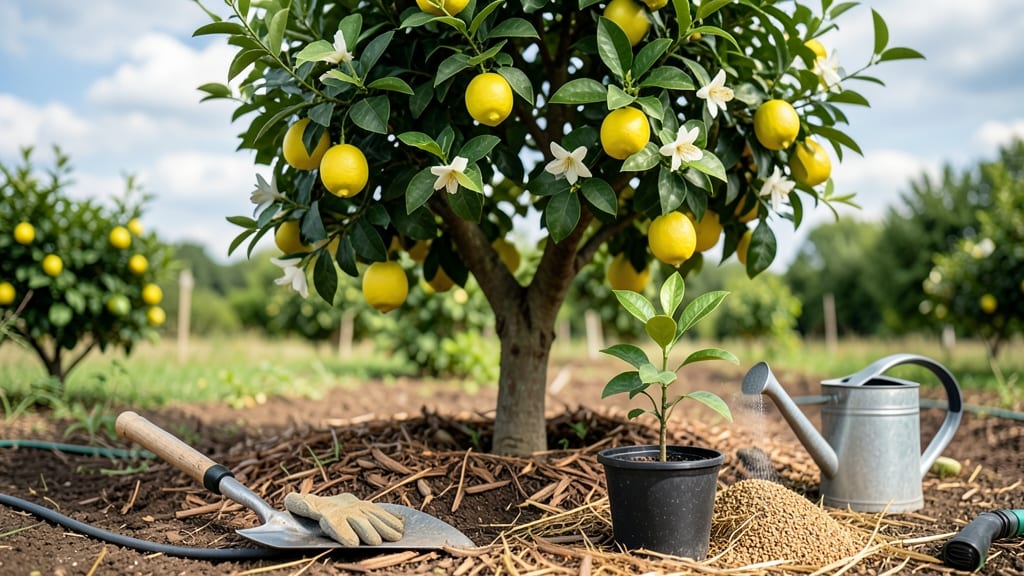
Planting citrus in Arizona (AZ) might seem tricky with those brutal summer temperatures, but getting the timing right is the key to growing thriving 🍊 trees that produce fruit year-round.
The secret window—November through March—lets young roots establish before the heat ramps up, giving your citrus the best shot at survival and sweet harvests.
Most Arizona gardeners assume citrus can handle anything, but even heat-resistant varieties like Meyer lemons need a break from the scorching sun during their early months. Planting during cooler seasons also helps prevent fungal diseases that thrive in the desert’s intense heat, making your citrus stronger from day one.
Whether you’re digging in the ground or sticking with containers, the exact months matter more than you’d think.
I’ll break down the best times for your specific AZ region—whether you’re in the Low Desert, High Desert, or mountain foothills—so you can avoid common mistakes and set your citrus up for success.
Ready to grow citrus that actually thrives? Let’s dive into the easiest way to plant during Arizona’s ideal window and keep your trees happy all year long—no guesswork required.
Best months to plant citrus trees in Arizona (by region & climate zone)
Arizona’s diverse climate zones—from the Low Desert to High Desert—create unique windows for planting citrus. Unlike most states, AZ’s frost-free winters (USDA Zone 9b-11) mean you can plant citrus almost year-round, but timing is everything to avoid heat stress or cold snaps in higher elevations.
The best months to plant are November through March, when soil temps stay cool and humidity is lower, reducing fungal risks.
For the Low Desert (Phoenix, Tucson), your planting window extends slightly into April—just avoid the 100°F+ summer heat, which can shock young roots. In the High Desert (Prescott, Flagstaff), plant by late October to avoid rare 20°F dips that can kill tender citrus.
Container-grown trees offer more flexibility, letting you plant year-round with proper shade and water management.
Here’s the exact planting schedule for Arizona’s three key regions, including soil temp thresholds and frost risks:
| Region | Best Planting Months | Soil Temp Threshold | Frost Risk | Key Tip |
|---|---|---|---|---|
| Low Desert (Phoenix, Tucson) | November–April | 60–75°F | None | Use drip irrigation to prevent fungal diseases in summer. |
| High Desert (Prescott, Flagstaff) | October–November | 55–65°F | Low (20°F dips) | Choose cold-hardy varieties like Satsuma or Calamondin. |
| Mountain Foothills (Sedona, Payson) | September–October | 50–60°F | Moderate (28°F dips) | Plant in containers for mobility during cold snaps. |
If you’re planting bare-root citrus (common in nurseries), do it during dormant months (November–February) when roots are less active. For container-grown trees, you can plant anytime, but spring (March–April) gives them time to establish before summer’s intensity.
Always amend soil with compost and avoid planting in heavy clay, which citrus hates.
Pro tip: Mulch heavily (3–4 inches of wood chips) to retain moisture and regulate soil temps. This is especially critical in the Low Desert, where summer heat can bake roots in just days. Pair this with drip irrigation set to deliver 1–1.5 inches of water weekly during establishment.
For container citrus, use pots at least 15 gallons with drainage holes and a well-draining potting mix (50% cactus/succulent mix + 50% compost). Move containers to partial shade during 110°F+ days to prevent leaf scorch.
In the High Desert, overwinter containers in a garage or against a south-facing wall to protect from cold.
One common mistake? Planting citrus in summer and expecting it to thrive. Young trees planted in June–August often suffer from transplant shock and root rot due to Arizona’s intense heat and low humidity. Instead, focus on fall or winter planting for the best survival rates.
To maximize success, test your soil’s pH (citrus prefers 6.0–7.0granular citrus fertilizer at planting. In Low Desert areas, consider windbreaks (like bamboo screens) to protect young trees from hot, drying winds that can desiccate leaves.
With the right timing and care, your citrus will reward you with year-round harvests—even in Arizona’s brutal summers.
Best months to plant citrus trees in Arizona (by region & climate zone)
Arizona’s diverse microclimates mean your citrus planting window depends on whether you’re in the scorching Low Desert, the cooler High Desert, or the milder Mountain Foothills.
Unlike most states, Arizona’s frost-free winters create a year-round growing season—but timing still matters to avoid heat shock or winter stress. The ideal soil temperature for planting citrus is between 60°F and 80°F, which aligns perfectly with Arizona’s cool-season months from November through March.
For container-grown citrus, you can plant almost anytime, but bare-root trees need cooler temps to establish roots before summer’s intensity. In Phoenix and Tucson (Low Desert), aim for November to February—avoiding the 100°F+ heat that can fry young roots.
Meanwhile, Flagstaff and Prescott (High Desert) can plant into early April, thanks to cooler nights. Always check your local frost dates, even in AZ, as rare cold snaps can hit high elevations.
🌱
| Region | Best Planting Months | Soil Temp Goal | Key Considerations |
|---|---|---|---|
| Low Desert (Phoenix, Tucson) | November–February | 60°F–75°F | Avoid summer heat; use drip irrigation and mulch to retain moisture. |
| High Desert (Flagstaff, Prescott) | October–April | 55°F–70°F | Cooler nights allow later planting; watch for late-spring frosts (rare but possible). |
| Mountain Foothills (Sedona, Payson) | March–May | 65°F–80°F | Higher elevations have longer frost-free seasons; opt for cold-hardy varieties like Satsuma. |
| Containers (Anywhere in AZ) | Year-round (with care) | 60°F+ | Move indoors during winter if temps drop below 40°F; use well-draining pots and citrus-specific potting mix. |
If you’re planting in April or October, choose mature trees (3–5 years old) that can handle the transition. Young citrus trees planted in summer will struggle with heat stress and root rot from poor drainage.
Pro tip: Amend your soil with compost and sand to mimic Arizona’s native well-draining conditions, and avoid clay-heavy soils that bake in the sun.
For container citrus, the rules relax slightly—you can plant year-round as long as you protect from extreme heat (move to shade) and cold snaps (bring indoors). Just ensure your pot has drainage holes and you’re using a fast-draining potting mix.
My Meyer lemon in a 15-gallon pot thrives on my patio year-round, but I winter it over in a garage during sub-40°F nights—a rare but possible surprise in AZ.
🪴