
Companion Plants
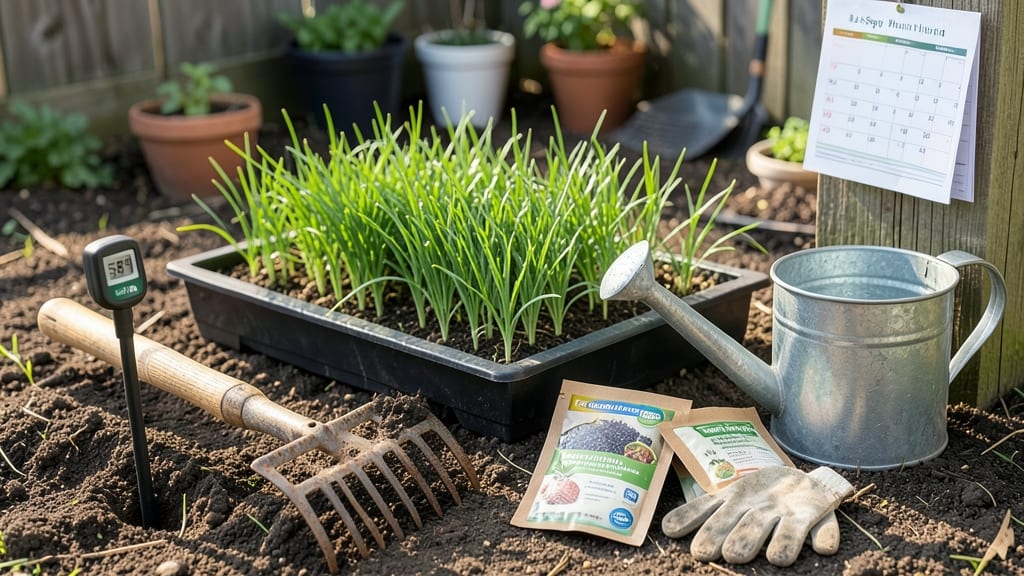
Planting grass seed in Colorado isn’t just about grabbing a bag and tossing it on the ground—timing is everything, especially with the state’s dramatic elevation shifts and unpredictable weather.
Whether you're in the Front Range or the Western Slope, getting those seeds in the ground at the right moment can mean the difference between a lush lawn and a patchy disappointment.
I’ve spent years watching grass take root across Colorado’s varied climates, and the key to success starts with understanding your local frost dates and soil temperatures. Early spring or late summer are your best bets, but elevation plays a huge role—what works in Denver might fail in the mountains.
Let me break down exactly when to plant for your specific zone so you can avoid common mistakes and give your lawn the best start.
You might think all grass seed is the same, but Colorado’s climate demands the right variety for your region. Cool-season grasses like Kentucky Bluegrass thrive in March–April, while warm-season options need a later window.
I’ll walk you through the best types for your area and how to adjust your planting schedule based on rainfall, sun exposure, and even urban heat islands.
Ready to transform your yard into a vibrant green space? The secret isn’t just in the seed—it’s in the timing. Let’s dive into the best months to plant, tailored to your elevation, so you can enjoy a lawn that’s the envy of the neighborhood.
Colorado grass seed planting calendar by elevation zones (Front Range vs. mountains)
Colorado’s dramatic elevation changes mean your grass seed planting window can shift by up to 6 weeks depending on whether you’re in Denver’s lowlands or the Rocky Mountain foothills.
At 5,000 feet, you might plant in early March, while 8,000+ feet areas should wait until late April to avoid late spring frosts. Let’s break down the best months for each zone, including soil temperature thresholds and frost-free dates.
For lowland Colorado (5,000–6,500 ft), like the Front Range and Eastern Plains, your ideal planting window is mid-March to early May. This aligns with soil temperatures reaching 50–65°F—perfect for germination.
In high-altitude areas (8,000+ ft), such as Aspen or Leadville, wait until late April to early June to avoid snowmelt delays and cold soil.
Pro Tip: Use a soil thermometer to confirm temperatures before planting. Seed won’t germinate below 45°F, even if the calendar says it’s spring. Check local USDA Plant Hardiness Zone maps (Zones 4–7 in Colorado) for precise adjustments.
Here’s a quick reference for your elevation zone:
| Elevation Zone | Best Planting Window | Soil Temp Threshold | Last Frost Date | Key Consideration |
|---|---|---|---|---|
| Lowland (5,000–6,500 ft) | Mid-March to early May | 50–65°F | April 15–May 1 | Urban heat islands may allow earlier planting |
| Foothills (6,500–8,000 ft) | Late March to mid-May | 45–55°F | May 1–15 | Watch for late snowmelt in north-facing slopes |
| High Altitude (8,000+ ft) | Late April to early June | 50–60°F | May 15–June 1 | Short growing season; prioritize cold-hardy varieties |
If you’re planting in September or October (fall planting), aim for 6–8 weeks before the first frost. In lowland zones, this means mid-August to early September, while mountain areas can extend to late September.
Fall planting gives grass roots time to establish before winter, but avoid planting if frost is forecast within 2 weeks.
For drought-prone areas, like the Western Slope, consider drought-tolerant grasses such as Buffalo Grass or Fine Fescue, which can handle cooler soil and lower moisture. These varieties may tolerate earlier planting (as early as February) if soil is workable, but germination will be slower.
One common mistake is planting too early in high-altitude zones, only to see seedlings wilt or freeze during late spring frosts. Always check local weather forecasts and historical frost data from the National Weather Service or Colorado State University Extension for your specific area.
Remember, microclimates matter. A south-facing slope in Boulder may warm up faster than a north-facing yard in Fort Collins. Observe your yard’s behavior for 2–3 years to refine your planting timeline.
Next, we’ll dive into the 5 critical factors that can override even the best planting calendar—soil temperature, rainfall, grass type, and more.
5 Critical factors that determine your planting success (beyond just months)
Colorado’s diverse climate means planting dates aren’t one-size-fits-all. While most guides suggest March–April or August–September, your success hinges on deeper factors like soil temperature and rainfall patterns. For example, Denver’s 5,280 ft elevation has very different needs than a 10,000 ft mountain meadow.
First, check your soil temperature—grass seed needs 50–65°F for optimal germination. Use a soil thermometer ($10 at garden centers) to avoid planting too early when cold snaps linger.
In lowland areas (5,000–6,500 ft), this usually aligns with late April, while high-altitude zones (8,000+ ft) may wait until June.
Rainfall timing is another game-changer. Colorado’s monsoon season (July–August) can drown new seedlings if planted too late. For fall planting, aim for early August to let roots establish before first frost. In drought-prone areas like Colorado Springs, consider drought-resistant fescue mixes that tolerate 30% less water once established.
Grass seed variety directly impacts timing. Cool-season grasses (Kentucky Bluegrass, Fescue) thrive when planted in early spring or fall, while warm-season grasses (Buffalo Grass) prefer late spring. Most Colorado lawns use cool-season blends, but front-range urban areas may benefit from warm-season mixes due to urban heat islands.
Microclimates can shift planting windows by 2–4 weeks. A south-facing slope warms faster than a north-facing yard, so adjust your schedule accordingly. For example, Boulder’s foothills may plant 2 weeks earlier than downtown Denver due to sun exposure differences. Always scout your yard for shady spots—they’ll need shade-tolerant fescue and later planting.
Finally, local weather forecasts trump generic calendars. Check the 10-day outlook for consistent warmth (above 40°F at night) and minimal rain (to avoid seed washout). Use the National Weather Service’s Colorado-specific alerts to time your planting for stable conditions.
Pro tip: If you’re unsure, test your soil with a pH kit ($5) and amend to 6.0–7.0 before planting. Acidic soil (below 6.0) slows germination by 30%. 🌱