
Plants
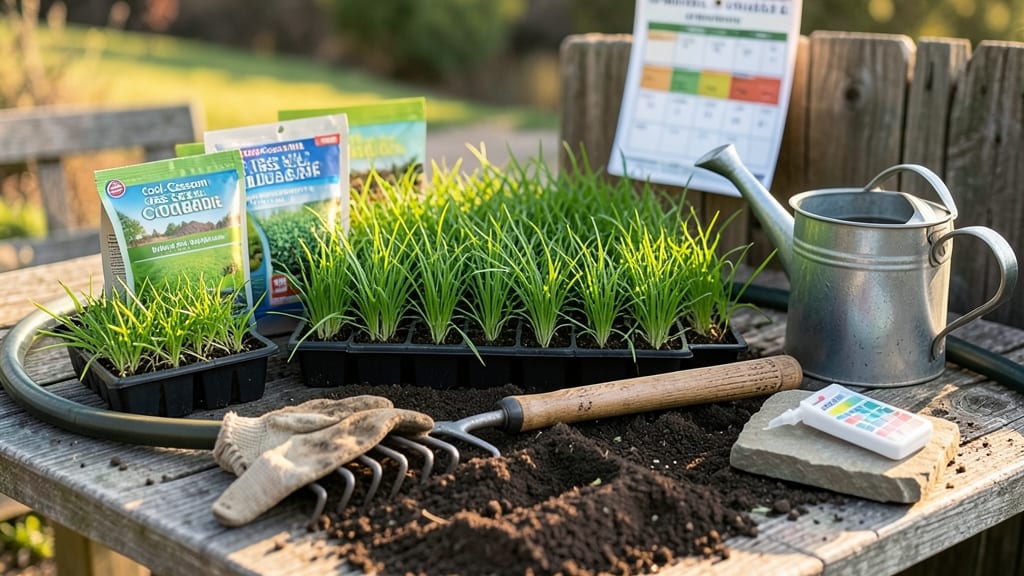
Planting grass seed in Colorado at the wrong time can turn your green dreams into a brown disappointment—especially when frost, elevation, and seasonal shifts collide.
Whether you're tackling a new lawn or overseeding an existing one, timing isn't just about the calendar; it's about matching your microclimate to the ideal planting window for zero frost risk.
Colorado's diverse landscapes—from the Front Range to the Western Slope—mean what works in one area might fail in another. The key is understanding your USDA Zone (5-7) and altitude, which can shift frost dates by weeks.
Fall planting (late August to early October) or spring (early April to mid-May) offers the best odds, but getting it wrong could leave you with patchy, slow-growing grass—or worse, a total flop.
I’ve seen firsthand how a well-timed planting can transform a bare patch into a lush lawn in just 60 days. But it’s not just about the season; soil temperature, watering schedules, and even seed selection matter.
Let me walk you through the exact steps to plant grass seed in Colorado—so you can skip the guesswork and get results that last.
Ready to turn your yard into the envy of the neighborhood? Let’s dive into the elevation-specific calendar and tips that’ll make your grass thrive, no matter where you are in the state.
Colorado grass seed planting calendar by elevation: frost-free windows explained
Colorado’s diverse elevations—from the Front Range to the Western Slope—create wildly different planting conditions. At 5,000 feet, your last frost may arrive weeks earlier than at 8,000 feet, making a one-size-fits-all approach risky.
Fall is generally the best time to plant, but spring works too if you time it right. The key is planting 4-6 weeks before frost to give seeds time to establish roots before winter dormancy.
For low-elevation areas (e.g., Pueblo, Colorado Springs), aim for late August to early October. Higher elevations (e.g., Denver, Fort Collins) should plant mid-September to early October to avoid early frosts.
Spring planting? Wait until 2-4 weeks after last frost—typically mid-April to early May—when soil temperatures hit 50°F+ for germination.
Here’s how Colorado’s three major regions differ in planting windows:
| Region | Elevation Range | Fall Planting Window | Spring Planting Window | Soil Temp Threshold |
|---|---|---|---|---|
| Front Range | 5,000–7,000 ft | Late August–Early October | Mid-April–Early May | 50–55°F |
| Western Slope | 4,500–6,500 ft | Early September–Mid-October | Late March–Early May | 55–60°F |
| Mountain Regions | 7,000–10,000+ ft | Mid-September–Early October | Early May–Mid-June | 50–55°F |
Elevation isn’t the only factor—microclimates matter too. For example, Denver’s urban heat islands can delay frost by 1-2 weeks compared to rural areas. Always check your local frost dates (use the National Weather Service or Almanac) and adjust accordingly.
Pro tip: Plant cool-season grasses like Kentucky Bluegrass in fall for a head start on spring growth.
Spring planting requires extra caution. If you miss the window, summer heat can dry out seeds before germination. For high-altitude areas, late spring (May–June) is safer because soil stays cooler longer. Test soil temperature with a soil thermometer—it should stay above 50°F for at least 7 days before planting.
Colorado’s drought conditions add another layer. Planting in fall gives seeds time to develop deep roots before summer drought hits. If you must plant in spring, prioritize drought-resistant varieties like Blue Grama or Buffalo Grass, which thrive with less water once established.
Always water deeply after planting—1 inch per week for the first month—to encourage root growth.
Don’t overlook seed depth either. Lightly rake soil to create a ¼-inch layer for seeds, then cover with a thin layer of compost. This protects them from wind and birds while keeping moisture locked in.
For high-elevation areas, consider a lightweight straw mulch to retain heat and prevent frost damage during early fall plantings.
Finally, avoid planting in late summer (July–August) unless you’re in a low-desert region. The heat stresses seeds, and evaporation rates can outpace germination. If you’re in Zone 5 or 6, stick to the fall or early spring windows for the best results.
With the right timing, your Colorado lawn can go from bare soil to lush green in just 30–60 days.
Timing your grass seed planting in Colorado isn’t just about the calendar—it’s about reading the land. Pay attention to soil warmth, frost forecasts, and your local microclimate. When done right, you’ll have a thick, resilient lawn that outlasts Colorado’s unpredictable weather. 🌱
How to choose the right grass seed type for Colorado’s climate zones
Colorado’s diverse elevation zones and microclimates demand careful grass seed selection. Cool-season grasses thrive in most regions, while drought-resistant varieties excel in arid areas. Your choice directly impacts water needs, color retention, and frost tolerance.
For the Front Range (5,000–7,000 ft), Kentucky Bluegrass and Fine Fescue dominate due to their cold hardiness and vibrant green appearance. These varieties handle late spring frosts and summer heat better than alternatives.
In Western Slope areas (4,000–6,000 ft), where water is scarcer, Blue Grama and Buffalo Grass shine with their drought resistance and low-maintenance traits. These native grasses require 30% less water than traditional lawns.
🌱 Grass Seed Comparison for Colorado
| Variety | Best For | Water Needs | Frost Tolerance |
|---|---|---|---|
| Kentucky Bluegrass | Front Range, high-traffic lawns | Moderate | Excellent |
| Fine Fescue | Shady areas, low-maintenance | Low | Good |
| Blue Grama | Western Slope, drought-prone | Very Low | Moderate |
| Buffalo Grass | Arid climates, native lawns | Very Low | Good |
If you’re in mountain regions (7,000+ ft), opt for Tall Fescue blends. These grasses handle cooler soils and harsh winds while maintaining a dense turf. Always check the seed label for cold tolerance ratings—look for varieties labeled "mountain-adapted".
For water conservation, consider mixed seed blends with 10–20% clover. Clover fixes nitrogen in the soil, reducing fertilizer needs by up to 40%. Just ensure your blend includes at least 80% grass for a traditional lawn appearance.
Test your soil’s pH and nutrients before planting. Colorado’s alkaline soils often need sulfur amendments to lower pH for optimal grass seed germination. Aim for a pH of 6.0–7.0 for cool-season grasses.