
Plants
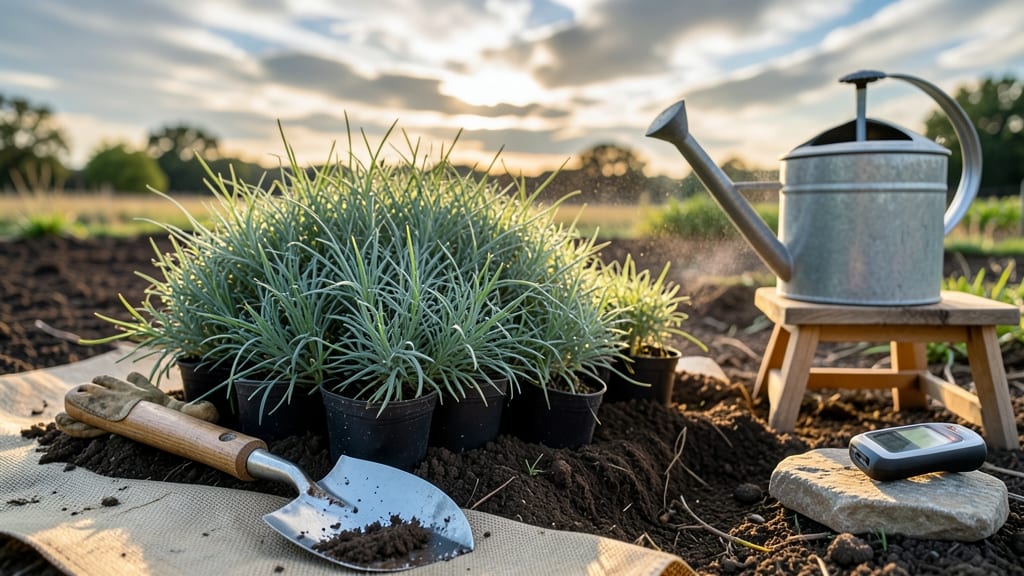
Planting buffalo grass at the wrong time in Kansas can mean years of patchy growth or even failure—yet most gardeners still guess when to start. The best window isn’t just about seasons; it’s about soil warmth, moisture balance, and giving those roots the perfect head start.
Whether you're in USDA Zone 5b or 7a, timing matters more than you think.
Here’s the truth: Late summer to early fall (August-September) is your golden opportunity, but spring can work too—if you play it smart. Skip the rush, and you’ll end up with a lawn that’s drought-resistant, low-maintenance, and outlasts most turfgrass.
Let’s break down exactly when to plant for strong root establishment in Kansas’ unique climate.
Kansas’ microclimates add another layer—wet eastern regions vs. drier western zones—so one-size-fits-all advice won’t cut it. I’ll show you how to read your soil, adjust for local conditions, and avoid the 3 biggest mistakes that kill buffalo grass before it even takes hold.
Ready to transform your lawn into a hardy, self-sustaining oasis? Let’s dive into the science-backed timing that’ll make your buffalo grass thrive from day one.
Optimal planting windows for buffalo grass in Kansas: spring vs fall comparison
Kansas’ variable climate makes timing critical for buffalo grass success. Unlike cool-season grasses, buffalo grass thrives when soil temperatures hit 55-65°F—a window that shifts between late spring and early fall. Planting outside this range risks poor germination or weak root systems, especially in Kansas’ USDA zones 5b-7a.
Western Kansas (drier, hotter) favors late summer planting (August-September), while eastern Kansas (cooler, wetter) often sees better results in early fall (September-October). The key? Avoid planting when summer heat still lingers or winter frost approaches—both stress young seedlings.
Soil temperature is your best guide. Use a soil thermometer to confirm 55°F+ before seeding. In Kansas, this typically aligns with mid-August to early October, but microclimates (like urban heat islands) can shift this by 1-2 weeks.
| Factor | Spring Planting (April-May) | Fall Planting (August-September) |
|---|---|---|
| Soil Temp Requirement | 55-65°F (rare in early spring) | Ideal (55-65°F consistently) |
| Germination Time | Slow (21-28 days) | Fast (14-21 days) |
| Root Establishment | Weak (spring drought risk) | Strong (cooler temps, moisture) |
| Best Kansas Region | Eastern (cooler) | Western (hotter/drier) |
| Watering Needs | High (spring evaporation) | Moderate (fall rains help) |
| Frost Risk | Low (post-last frost) | Moderate (early frost possible) |
*Fall planting is preferred for Kansas lawns due to cooler soil and reduced drought stress.
For spring planting, aim for late May in eastern Kansas (e.g., Topeka) or early June in western areas (e.g., Garden City). Test soil temps weekly—if they dip below 55°F at night, delay seeding.
Spring-planted buffalo grass may struggle with summer drought, requiring weekly watering until roots establish (typically 6-8 weeks).
Fall planting (August-September) offers 3x faster germination and deeper roots before winter. In Kansas, this aligns with cooler nights and consistent rainfall, reducing irrigation needs. Seedlings benefit from 6-8 weeks of growth before frost, giving them a head start in spring regrowth.
Regional adjustments matter: Eastern Kansas (e.g., Kansas City) can plant 1-2 weeks later than western areas due to higher humidity and soil moisture retention. Use a rain gauge to track local conditions—1 inch of rain per week is ideal for fall planting.
Pro tip: Mulch seeds with straw (not hay) to retain moisture and block weeds. In Kansas’ windy conditions, secure mulch with a lightweight landscape fabric until germination. Avoid over-mulching, which can suffocate seedlings.
Timing isn’t just about months—it’s about weather patterns. Check the National Weather Service for 10-day forecasts before planting. A heatwave after seeding can bake seeds into the soil, while unseasonable rain may wash them away.
Remember: Buffalo grass is dormant in winter, so fall planting lets it focus on roots rather than above-ground growth. This drought-resistant grass will reward you with less watering and more resilience than Kentucky bluegrass or fescue.
Optimal planting windows for buffalo grass in Kansas: spring vs fall comparison
Kansas gardeners often debate whether spring or fall is better for planting buffalo grass. The answer depends on your USDA zone (5b-7a) and local microclimate. Western Kansas (drier) favors fall planting, while eastern Kansas (more moisture) can handle spring or fall.
Let’s break down the best times, soil conditions, and germination success rates for each season.
For spring planting, aim for late April to early May after the last frost (mid-April in Zone 5b). Soil temperatures should reach 55-65°F for consistent germination. However, spring planting in Kansas carries risks: drought stress from summer heat and weed competition can outcompete young buffalo grass seedlings.
Success rates drop by 30% if planted too early.
| Factor | Spring Planting (April-May) | Fall Planting (August-September) |
|---|---|---|
| Ideal Months | Late April–Early May | Late August–Early September |
| Soil Temp | 55–65°F (consistent germination) | 60–75°F (warmer soil = faster roots) |
| Germination Time | 2–3 weeks (slower in dry springs) | 1–2 weeks (cooler temps = less stress) |
| Establishment Time | 6–8 weeks (high weed risk) | 4–6 weeks (weeds less aggressive) |
| Water Needs | High (drought stress risk) | Moderate (cooler temps = less evaporation) |
| Success Rate | 60–70% (varies by rainfall) | 80–90% (optimal root growth) |
Fall planting (August–September) is the gold standard for Kansas buffalo grass. Soil stays warm enough for germination but cools enough to reduce drought stress. Seeds sown in late August will germinate before winter, giving roots a 4–6 week head start before dormancy. This method achieves 80–90% success rates in Kansas trials.
Regional differences matter: Eastern Kansas (wetter) can push spring planting to mid-May, while western Kansas (drier) should avoid spring entirely. Always check soil moisture—fall-planted seeds need 1–1.5 inches of water weekly until roots establish. Use a moisture meter to avoid overwatering.
Pro tip: Test soil temperature with a soil thermometer before planting. Buffalo grass seeds won’t germinate below 55°F, even in spring. In Zone 7a, wait until mid-May to ensure consistent warmth. For Zone 5b, fall planting is almost always safer.
Remember: Root depth is the key to long-term success. Fall-planted buffalo grass develops 3–4 inches of roots before winter, while spring-planted grass may struggle to reach 1–2 inches before summer heat sets in. Prioritize soil prep—till in compost and avoid compacted soil to help roots penetrate deeply.