
Plants
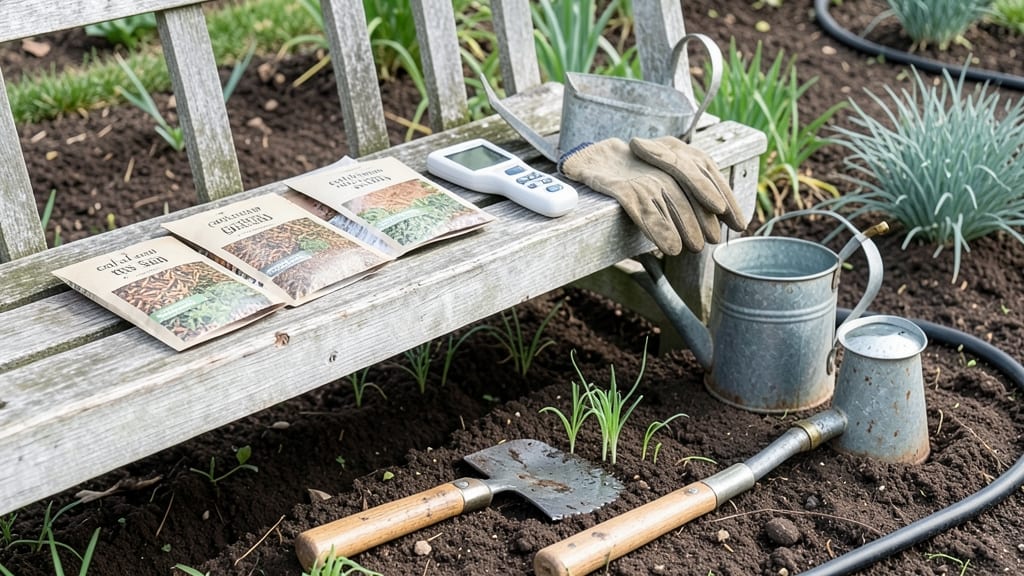
Timing your grass seed planting in spring can make or break your lawn’s success—especially when frost dates and soil temperatures shift dramatically across regions. One week too early, and your seeds may freeze; too late, and summer heat stresses them before they take root. The ideal window depends on your USDA zone, but getting it right means the difference between a lush carpet of 🌱 grass and a frustrating patchwork of bare soil.
Most gardeners in USDA Zone 6 (like our default) aim to plant 4-6 weeks before the last frost, typically between early March and mid-April. But soil temperature is the real game-changer—wait until it hits at least 50°F to ensure germination.
Cold soil slows growth, while warm soil speeds it up, so checking local frost data (like NOAA’s tools) helps you avoid costly mistakes.
Here’s the kicker: regional differences matter. Northern states might plant in late April, while Southern areas can start as early as February. I’ll break down the exact timing for your area, plus 5 critical mistakes to skip—like planting too shallow or skipping soil prep.
Let’s get your lawn off to the right start.
Ready to transform your yard? You’ll leave this guide knowing exactly when to plant, how to prep your soil, and what to watch for in the weeks after. No more guesswork—just a thick, green lawn you can be proud of.
Optimal soil temperature and frost-free guidelines for planting grass seed in spring
Getting your grass seed timing right in spring depends on two critical factors: soil temperature and your last frost date. Grass seeds need warm soil—50–65°F—to germinate properly, but planting too early risks frost damage.
Most gardeners aim for 4–6 weeks after the last frost, but this varies by USDA hardiness zone and local microclimates.
To find your exact last frost date, check the NOAA frost calendar or your USDA zone map. For example, Zone 5 (Midwest) typically sees last frosts in mid-April, while Zone 8 (Deep South) may be frost-free by mid-February.
Always plant after this date to avoid killing tender seedlings.
Soil temperature is just as important as air temperature. Use a soil thermometer to check depths of 1–2 inches. If the reading is below 50°F, wait—cold soil slows germination and weakens young roots. In cooler climates, this might mean waiting until late May or even June.
Here’s a quick rule of thumb: Cool-season grasses (like Kentucky bluegrass or fescue) can handle slightly cooler soil (40–50°F), while warm-season grasses (like Bermuda or Zoysia) need 65–75°F soil. Most homeowners use cool-season varieties, so focus on hitting that 50°F minimum.
| Factor | Ideal Range | How to Check |
|---|---|---|
| Soil Temperature | 50–65°F (10–18°C) | Soil thermometer (1–2" depth) |
| Last Frost Date | 4–6 weeks before planting | NOAA or USDA Zone Map |
| Grass Type | Cool-season: 40–50°F | Warm-season: 65–75°F | Seed packet instructions |
| Moisture | Consistent (0.5" per week) | Rain gauge or watering can |
Don’t rely solely on air temperature—soil stays cold longer, even when days warm up. For example, in Zone 6, air might hit 60°F by March, but soil could still be 45°F.
Wait until both meet your grass type’s needs before planting. Pro tip: Morning soil temps are usually 5–10°F cooler than afternoon readings, so check in the AM.
If you’re unsure, use a seed germination calculator (available online) to input your zip code and grass type. These tools factor in local weather patterns and historical frost data to give you a personalized planting window.
For instance, in Phoenix (Zone 10), you might plant as early as February, while in Minnesota (Zone 4), late May is safer.
Once you’ve confirmed the right timing, prep your soil by raking to a fine tilth (no clumps larger than a pencil eraser) and removing debris. This ensures seed-to-soil contact, which is critical for germination.
Lightly fertilize with a starter blend (high in phosphorus) to boost root growth right from the start.
After planting, keep the soil moist but not soggy—water lightly twice daily for the first week to prevent drying. Avoid walking on the area until you see 50% germination (usually 10–14 days). Overwatering or compacting soil can smother seeds, leading to patchy growth.
Remember: Spring planting is a race against time—seeds need to establish roots before summer heat sets in. If you miss the window, fall planting (4–6 weeks before first frost) is the next best option for most regions.
Use this guide to nail your timing and avoid the frustration of slow or failed germination.
Best grass seed planting timeline by U.s. region (north vs. south vs. west)
Planting grass seed in spring isn’t a one-size-fits-all task—your U.S. region plays a huge role in determining the ideal planting window. Northern states face late frosts and cooler soils, while Southern areas can plant earlier. Let’s break it down by climate zone so you can time your project perfectly.
For Northern regions (USDA Zones 3-5), aim for late April to early June after the last frost date. In Southern states (Zones 7-10), you can start as early as February to March.
Meanwhile, Western states (Zones 4-9) vary widely—coastal areas like California may plant in late winter, while inland deserts wait until April or May.
🌱 Pro Tip: Use the NOAA frost calculator for your ZIP code to pinpoint the last frost date. Then, plant 4-6 weeks after that date to avoid frost damage.
| Region | USDA Zones | Best Planting Window | Key Consideration |
|---|---|---|---|
| Northern (NE, Midwest) | 3-5 | Late April–Early June | Wait for soil temp ≥50°F |
| Southern (SE, Gulf Coast) | 7-10 | February–March | Watch for summer heat stress |
| Western (Mountain, Desert) | 4-9 | April–May (coastal) / Late May–June (inland) | Elevation affects frost dates |
In the Pacific Northwest, for example, coastal areas like Seattle can plant as early as March, while inland Spokane waits until late April. Similarly, Texas lawns thrive when planted in February, but Florida gardeners can start even earlier in January.
If you’re in a transition zone (like Zone 6), split your planting into two batches: one in early spring and another in early fall. This double planting ensures year-round coverage and fills gaps from seasonal stress.
Regardless of your region, always test soil temperature with a soil thermometer—aim for 50–65°F for best germination. Avoid planting when soil temps exceed 75°F, as seeds may dry out or fail to sprout.
🌿 Regional Tip: In drought-prone areas (e.g., Arizona, Nevada), choose drought-tolerant grass varieties like Buffalo grass or Tall fescue for better survival.