
Plants
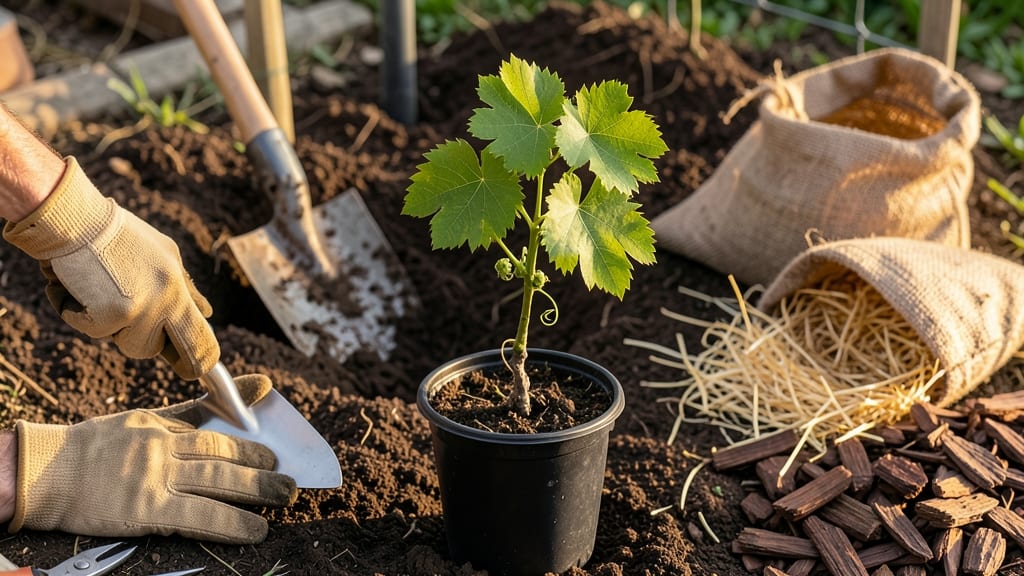
Timing your grape vine planting in Zone 7 could mean the difference between a thriving 🍇 vineyard and one that struggles to survive.
The right window lets your vines establish strong roots before summer heat or winter frost hits, while getting it wrong can leave them vulnerable to disease or poor growth.
In Zone 7a-7b, you’ve got two prime opportunities: late winter to early spring (February-March) or fall (September-October). Both seasons offer advantages, but the key is understanding how soil temperatures, frost dates, and your local microclimate play into the equation. Let’s break down which option works best for your specific conditions.
I’ve seen firsthand how a well-timed planting can transform a struggling vine into one that produces fruit within just a few years. Whether you’re planting bare-root vines or container-grown varieties, the right timing—paired with proper soil prep and aftercare—sets the stage for long-term success.
Ready to avoid common mistakes and maximize your grape vine’s potential? We’ll cover everything from soil temperature cues to frost risk, so you can confidently choose the best planting window for your Zone 7 garden.
Best planting windows in Zone 7: spring vs fall timing explained
Grape vines thrive in Zone 7, but timing your planting is everything—too early and they’ll struggle with cold soil, too late and they won’t establish roots before winter. The best windows are late winter/early spring (February–March) or fall (October–November), depending on your microclimate.
Let’s break down the science behind each season to help you choose the perfect time for your grape vines.
In Zone 7, the average last frost date is around March 15, while the first frost typically arrives by November 15. This gives you a narrow but critical window to plant.
Spring planting allows vines to establish roots before summer heat, while fall planting lets them grow roots before winter dormancy. Both have pros and cons, and your choice depends on your local climate and vine type.
Here’s a quick comparison to help you decide:
| Factor | Spring Planting (Feb–Mar) | Fall Planting (Oct–Nov) |
|---|---|---|
| Soil Temperature | 45–55°F (ideal for root growth) | 50–60°F (roots establish before dormancy) |
| Frost Risk | Low after last frost (March 15) | High (plant 4–6 weeks before first frost) |
| Root Establishment | 6–8 weeks before summer heat | 8–10 weeks before dormancy |
| First-Year Growth | Moderate (focus on root development) | Strong (roots harden before winter) |
| Best For | Bare-root vines, warm microclimates | Container-grown vines, cooler regions |
Spring planting (February–March) is ideal if you’re using bare-root vines and want them to establish roots before summer. Aim to plant 2–3 weeks before your last frost—this gives roots time to grow before the heat of June and July. For Zone 7, this typically means planting in late February or early March. The key is ensuring soil temperatures are above 45°F to prevent root rot.
If you choose fall planting (October–November), focus on getting vines in the ground 4–6 weeks before your first frost. In Zone 7, this usually lands in late October. Fall-planted vines benefit from cooler temperatures, which reduce stress and allow roots to establish before winter dormancy.
This method is especially effective for container-grown vines, which handle transplanting better than bare-root varieties in fall.
Your local microclimate plays a huge role. Coastal Zone 7 areas (like parts of Virginia or North Carolina) have milder winters, so you might push fall planting into November. Inland regions (like Kentucky or Tennessee) should plant by mid-October to avoid early frosts.
Always check your local frost dates and adjust accordingly—this is the #1 reason grape vines fail in Zone 7.
One common mistake is planting too late in spring. If you miss the February–March window, vines may not establish roots before summer heat sets in, leading to stressed plants with poor fruit production.
Similarly, planting too close to winter in fall can leave vines vulnerable to freeze damage. The goal is to give your vines enough time to harden off before dormancy.
For best results, test your soil temperature with a soil thermometer—roots need 50–60°F soil to thrive. If temperatures drop below 40°F, delay planting until conditions improve. This simple step can mean the difference between a thriving vineyard and a struggling crop.
🌱
Best planting windows in Zone 7: spring vs fall timing explained
In Zone 7, the best time to plant grape vines depends on whether you choose spring or fall planting. Both seasons offer unique advantages, but timing is critical for root establishment and survival through Zone 7 winters (average lows of 5°F to 10°F).
Let’s break down the ideal windows and what each season means for your vines.
Spring planting in Zone 7 typically occurs between early March and April, just as soil temperatures begin to rise above 50°F. This window gives vines 6-8 weeks of warm weather to establish roots before summer heat arrives.
However, planting too late in spring risks heat stress or insufficient root growth before dormancy.
Fall planting, on the other hand, is ideal from late September to early November in Zone 7. The cooler temperatures allow roots to grow without the stress of summer heat, and the vine enters dormancy with a strong root system.
This method often results in faster first-year growth and better winter hardiness.
| Factor | Spring Planting (March–April) | Fall Planting (September–October) |
|---|---|---|
| Soil Temperature | 50–60°F | 50–65°F |
| Frost Risk | Low (after March 15) | Moderate (first frost ~Nov 15) |
| Root Growth Window | 6–8 weeks | 8–10 weeks |
| Winter Hardiness | Moderate (needs protection) | High (stronger roots) |
| Best Varieties | Norton, Concord | Cabernet Franc, Chardonnay |
For spring planting, aim to plant 2–3 weeks before your last frost date (typically March 15 in Zone 7). This gives roots time to establish before summer heat arrives. Choose cold-hardy varieties like Norton or Concord, which tolerate Zone 7 winters better than delicate wine grapes.
Fall planting is often preferred because it allows vines to establish roots in cooler soil, reducing transplant shock. Plant 6–8 weeks before your first frost (around early October in Zone 7) to ensure roots have time to grow before dormancy. Varieties like Cabernet Franc thrive with this method.
Regional microclimates in Zone 7 can shift these windows slightly. Coastal areas (e.g., North Carolina coast) may have milder winters, allowing later fall planting, while inland zones (e.g., Tennessee Valley) require earlier planting to avoid early frosts.
No matter the season, always water deeply after planting and mulch to retain moisture. With the right timing, your grape vines will reward you with abundant fruit in 2–3 years! 🍇