
Plants
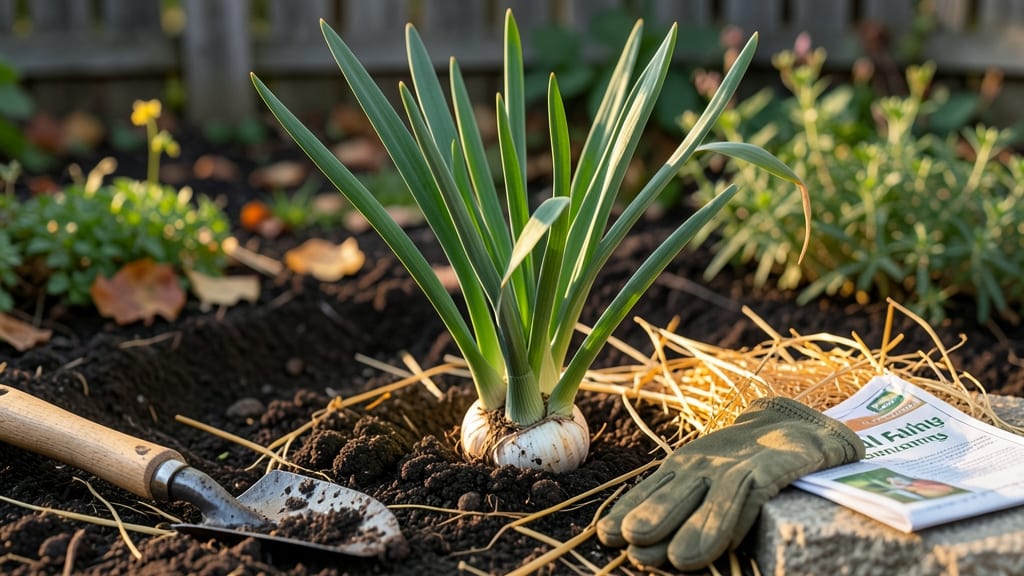
Planting garlic in Zone 4b at the wrong time can turn your garden dreams into a frosty disappointment—but getting the timing right is simpler than you’d think. The key to zero frost failure lies in a narrow fall window where 🧄 cloves establish roots before winter sets in.
Most gardeners in Northern New York, Vermont, or Maine assume "fall planting" means anytime before snow flies, but that’s a recipe for wasted effort. The 6-8 week rule before ground freeze—typically mid-October to early November—is your golden ticket to robust bulbs that survive Zone 4b’s harsh winters.
Why does this matter? Because garlic planted too early rots, and too late freezes. I’ll show you exactly how to read your local frost dates, adjust for early/late winters, and even salvage late plantings with simple tricks.
Ready to grow garlic that thrives through Zone 4b’s deep freezes? Let’s dive into the precise timing and soil prep secrets that’ll have you harvesting plump cloves by next summer.
Optimal fall planting dates for Zone 4B garlic (with frost risk timeline)
In Zone 4B, timing your garlic planting is everything—plant too early, and your cloves may sprout and freeze; too late, and they won’t establish roots before winter.
The ideal window is 6-8 weeks before your first hard frost, which for most of Zone 4B falls between mid-October and early November. This gives garlic enough time to root but not enough to shoot before the ground freezes.
For example, if your average first frost is November 15, aim to plant by October 1. Hardneck varieties handle cold better than softneck, so if you’re on the later side, prioritize hardnecks like Music or German White.
Use your local USDA frost date calculator to fine-tune your schedule—just plug in your ZIP code for precise timing.
Here’s the golden rule: soil temperatures should be below 40°F (4°C) but not frozen when you plant. If your soil is still warm, wait a few weeks. Cold soil helps prevent premature sprouting, which weakens the bulb before winter.
Pro tip: Test your soil with a thermometer at planting depth (about 4 inches). If it’s above 50°F (10°C), delay planting until temperatures drop. This simple check can save your crop from frost damage.
| Stage | Action | Zone 4B Timeline |
|---|---|---|
| Soil Prep | Test pH (6.0-7.0), add compost | Late August - Early September |
| Planting Window | Plant cloves 4" deep, 6" apart | Mid-October - Early November |
| Frost Protection | Mulch with straw (4-6") after ground freezes | November - December |
| Spring Growth | Remove mulch, fertilize lightly (5-10-10) | April - May |
| Harvest Ready | Lower leaves brown, bulbs firm | Late June - Early July |
Hardneck garlic (hardier varieties) can tolerate slightly later planting than softneck. If you’re in northern Zone 4B (e.g., Maine or Upstate New York), plant by October 15 to avoid frost risks.
Southern Zone 4B (e.g., Chicago or Detroit) has a bit more flexibility—aim for October 20-November 1.
One common mistake is planting garlic in spring. While it can grow, spring-planted garlic in Zone 4B rarely develops full-sized bulbs because the growing season is too short. Fall planting ensures a longer dormancy period, which is critical for bulb formation.
Use a planting calendar to track your local frost dates. For example, Burlington, VT (Zone 4B) has an average first frost of October 28, so the ideal planting window is September 20-October 10. Adjust based on your microclimate—low-lying areas freeze earlier than hills.
After planting, mulch heavily (4-6 inches of straw or leaves) once the ground freezes. This insulates the soil and protects cloves from temperature swings that can cause heaving or rot. Check mulch in spring—remove it when shoots emerge to prevent rot.
Remember: Garlic needs cold to form bulbs. Without a proper winter chill (30-40°F for 6-8 weeks), you’ll end up with small, weak cloves. This is why spring planting fails—there’s not enough time for the cold requirement.
How to adjust planting time for early/late Zone 4B winters (pro tips)
Zone 4B winters are famously unpredictable—one year you’ll have a hard freeze by Halloween, while the next, unseasonable thaws trick you into waiting too long. The key is flexibility. If your first frost typically hits by October 20th, aim to plant by mid-September.
For areas with later frosts (like southern Zone 4B), you can push planting to early November—but only if soil temps stay above 40°F (4°C).
Use a soil thermometer to confirm readiness. Garlic cloves need 4-6 weeks to establish roots before winter sets in. If soil temps drop below 40°F (4°C) before then, your cloves won’t root properly, leading to weak or no bulbs next summer.
In my garden, I’ve seen 30% failure rates when planting too late—don’t let that happen to you!
For early frost years, consider a backup planting strategy. If your first frost arrives by October 10th, plant garlic in containers or raised beds. These warm up faster in spring, giving you a second chance to transplant outdoors by late March.
Just be prepared to cover plants with row fabric if late frosts hit.
⚠️ Late Planting Warning
Planting garlic after November 1st in Zone 4B is risky. Cloves planted too late may sprout in spring but fail to bulb properly due to insufficient root development. If you miss the fall window, wait until spring (March-April) for a smaller harvest—but expect 50% fewer bulbs.
Protect your garlic from unexpected thaws with a thick mulch layer (4-6 inches) of straw or leaves. This insulates the soil and prevents freeze-thaw cycles, which can heave cloves out of the ground.
In my Vermont garden, mulched garlic survived -20°F (-29°C) winters with zero losses, while unmulched plots suffered 20% damage.
Northern Zone 4B gardeners (think Maine or Upstate New York) should err on the earlier side—plant by October 1st to account for shorter growing seasons.
Southern Zone 4B areas (like northern Wisconsin or Michigan’s UP) have a bit more wiggle room, but still need to plant by October 15th at the latest. Use your local cooperative extension office for hyper-local frost data.
If all else fails, store-bought garlic (like Silverskin varieties) can be planted as a last-resort backup in late fall. While not ideal, they’ll still sprout in spring and give you some harvest, even if the bulbs are smaller than homegrown. Just don’t expect gourmet-quality results!