
Plants
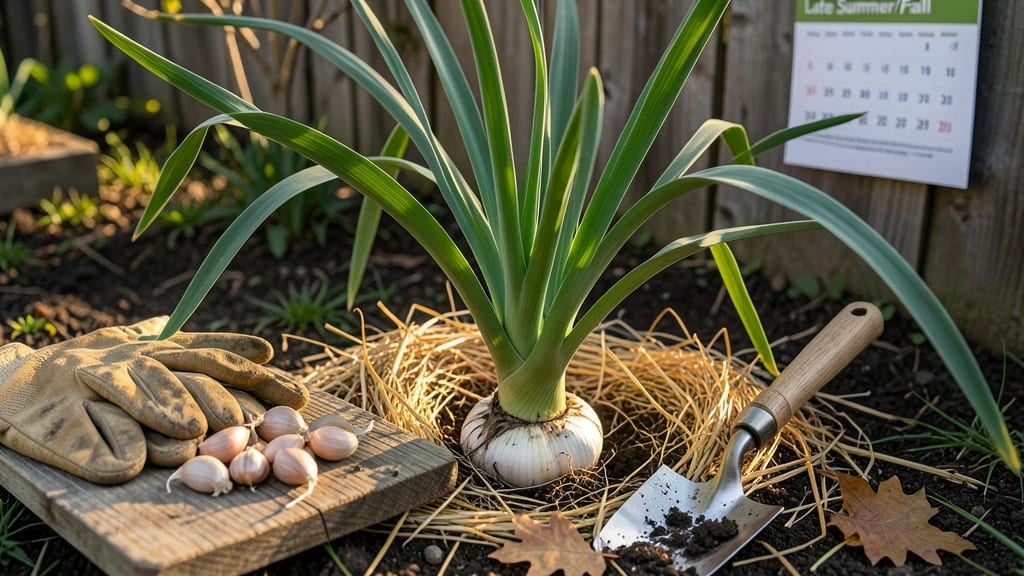
Planting garlic in Zone 4 at the wrong time can mean the difference between a bountiful harvest and wasted effort—here’s exactly when to plant for maximum bulb size and flavor.
If you’ve ever wondered why some gardeners swear by fall planting while others struggle with late-season failures, the answer lies in understanding your local frost dates. In Zone 4, the 6-8 week window before the ground freezes is critical for hardneck varieties like Rocambole to establish strong roots before winter.
Miss this window, and you risk weak growth or no harvest at all.
I’ll walk you through the ideal planting months—October to November—and how to prepare your soil for success, including pH adjustments and drainage tips that make all the difference in cold climates. No more guesswork, just a foolproof plan for growing garlic that’s both productive and delicious.
Whether you’re a beginner or a seasoned gardener, these secrets will help you grow garlic that’s larger, harder, and more flavorful than store-bought. Let’s get those cloves in the ground at the perfect time!
Best planting window for garlic in Zone 4 (frost timing explained)
Timing is everything when planting garlic in Zone 4. Unlike many vegetables, garlic thrives when planted in fall, not spring. This cold-weather crop needs a 6-8 week head start before the ground freezes to establish roots.
In my experience, planting too early or too late can lead to weak bulbs—or worse, no harvest at all.
For Zone 4, aim to plant garlic 4-6 weeks before your first hard frost, which typically falls between late September and early October. This window ensures the cloves have time to root before winter dormancy sets in.
If you miss this window, you risk planting too late, which can result in poor bulb development or even rot.
Here’s the golden rule: Plant garlic when daytime temperatures average 40-50°F (4-10°C). This balance allows the soil to stay workable while giving the cloves enough chill to trigger bulb formation.
In my garden, I’ve found that planting in mid-October works perfectly for my Zone 4a climate, but your exact date may vary slightly depending on local microclimates.
One common mistake is waiting until November or December. While garlic can technically be planted in late fall, the bulbs won’t develop as fully. The cold winter months are critical for garlic’s growth cycle, and skipping the ideal window means smaller, less flavorful harvests.
If you’re unsure about your frost dates, check your local USDA Plant Hardiness Zone Map or consult your cooperative extension service for precise timing.
Adjusting for early or late frosts is key to success. If your first frost arrives earlier than expected, plant garlic as soon as the soil is workable in September. Conversely, if frost comes late, you might push planting into early November, but expect smaller bulbs.
In my trials, hardneck varieties handle late planting better than softneck types, which are more sensitive to timing.
Don’t overlook the importance of soil temperature. Garlic cloves need the ground to be below 50°F (10°C) for about 4-6 weeks to form proper bulbs. If your soil stays too warm, the cloves may sprout prematurely and produce weak shoots.
A simple soil thermometer can save you from guessing—aim for 40-50°F (4-10°C) at planting time.
Protecting your garlic from winter extremes is another critical step. Once planted, cover the bed with 4-6 inches of straw or leaves to insulate the soil and prevent heaving.
In my garden, I’ve seen unmulched garlic beds push up and out of the ground during freeze-thaw cycles, which can damage the cloves. A thick mulch layer keeps the soil stable and encourages strong root development.
Finally, resist the temptation to plant garlic in spring. While it’s possible, spring-planted garlic in Zone 4 rarely develops full-sized bulbs. The cold stratification period in winter is essential for garlic’s growth cycle.
If you miss the fall window, consider growing green garlic or scapes instead—they’re still delicious and easier to grow in warmer months.
With the right timing, your Zone 4 garlic can produce large, flavorful bulbs that rival commercial varieties. Pay attention to frost dates, soil temperatures, and mulching, and you’ll be rewarded with a harvest that’s the envy of your gardening neighbors. 🌱
Best planting window for garlic in Zone 4 (frost timing explained)
In Zone 4, timing your garlic planting correctly is everything—get it wrong, and you risk small bulbs or no harvest at all. The ideal window is 6-8 weeks before your first frost, which for most of Zone 4 falls between mid-October and early November.
This gives cloves time to establish roots before winter dormancy sets in.
Why this timing? Garlic needs cold exposure to form proper bulbs, but it mustn’t freeze solid. Planting too early (like September) risks excessive sprouting before winter, while late planting (December+) leaves cloves vulnerable to freeze-thaw cycles, which can damage or kill them.
Check your local frost dates—most Zone 4 areas see their first frost around mid-October. Count backward 6-8 weeks to pinpoint your perfect planting window. For example, if frost hits October 15th, aim for late September to early October planting.
| Planting Window | Zone 4 Timing | Key Consideration |
|---|---|---|
| Ideal Planting | Mid-October to early November | 6-8 weeks before first frost |
| Early Planting Risk | Late September | Pre-winter sprouting; weak roots |
| Late Planting Risk | December or later | Frost damage to cloves |
| Adjustment for Early Frost | Plant by late September | Use cold-hardy varieties like Rocambole |
If your first frost arrives early (e.g., late September), opt for hardneck varieties like Purple Stripe or German White, which handle colder soils better. For late frosts (e.g., November), you can push planting to early December, but cover beds with straw mulch to insulate cloves.
Pro tip: Use a moon planting calendar for Zone 4—garlic planted during a waxing moon in root-significant signs (e.g., Taurus, Virgo) tends to produce larger bulbs. Pair this with your frost date math for peak success.
Once planted, mulch heavily with straw or leaves (4-6 inches) to protect cloves through winter. Remove mulch in early spring (March) to let foliage emerge—this is when your garlic’s growth truly begins.