
Plants
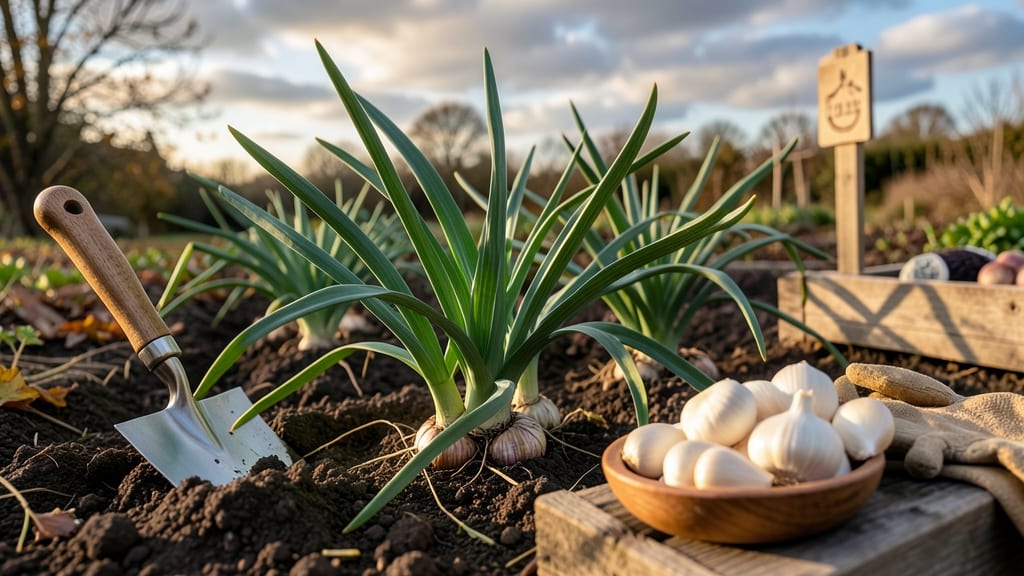
Timing your garlic planting in Pennsylvania could make or break your harvest—get it wrong, and you might end up with weak bulbs or no crop at all. The perfect window for planting 🧄 falls between October and November, when soil temperatures drop but frost hasn’t yet set in.
This timing ensures your cloves establish roots before winter dormancy, setting the stage for robust growth come spring.
If you’re growing hardneck varieties, which are better suited for Pennsylvania’s colder winters, you’ll want to plant them slightly earlier—around mid-October—to give them time to develop strong roots before the ground freezes.
Softneck varieties, on the other hand, can handle a later start, making them a good option if you’re planting closer to November.
Why does this matter so much? Because garlic needs 90 to 120 days of cold exposure to form bulbs properly, and Pennsylvania’s climate zones (like 5b-7a) create unique challenges. Plant too early, and your cloves might rot; too late, and they won’t mature in time for next summer’s harvest.
In this guide, I’ll break down the exact planting schedule for your zone, plus pro tips to ensure your garlic thrives—from soil prep to frost protection. Let’s get those cloves in the ground the right way!
Best planting months for garlic in Pennsylvania by climate zone
Pennsylvania’s diverse USDA hardiness zones (5b-7a) mean planting garlic at the right time is key to avoiding frost damage or poor bulb formation. Most gardeners in PA should plant hardneck garlic between mid-October and mid-November, while softneck varieties can tolerate slightly later planting.
The goal is to give cloves time to root before the ground freezes.
In Zone 5b (northern PA), like Erie or State College, aim to plant by October 15 to ensure roots establish before winter. Gardeners in Zone 7a (southern PA), such as Philadelphia or Pittsburgh, have a longer window—planting through November 15 works well.
Always check your local average first frost date (typically October 31-November 15 in PA) and plant 4-6 weeks before.
Soil temperature is another critical factor. Garlic cloves need soil temps between 40°F and 50°F (4°C-10°C) to sprout successfully. In PA, this usually aligns with late September to early November, depending on your zone.
Use a soil thermometer to confirm—planting too early in warm soil can cause cloves to sprout prematurely and rot.
For hardneck garlic, which thrives in colder winters, planting in October is ideal.
These varieties need 30-40 days of cold temperatures (below 40°F) to form bulbs properly. Softneck garlic, better suited for milder winters, can be planted slightly later—even into early December in Zone 7a—but risks smaller yields if planted too late.
Here’s a quick rule of thumb: If you can still dig a hole in your garden and the soil feels cool to the touch, it’s time to plant. Avoid planting when soil is above 50°F (10°C), as cloves may sprout too soon and become vulnerable to rot or pests.
🌱 Pennsylvania Garlic Planting Guide by Zone
| Zone | Ideal Planting Window | Soil Temp Requirement | Key Notes |
|---|---|---|---|
| 5b (Erie, State College) | Mid-October – October 15 | 40°F–50°F (4°C–10°C) | Plant hardneck varieties; risks frost damage if planted late. |
| 6a (Harrisburg, Scranton) | Late October – November 1 | 40°F–50°F (4°C–10°C) | Flexible window; prioritize hardneck for best yields. |
| 7a (Philadelphia, Pittsburgh) | October–November 15 | 45°F–55°F (7°C–13°C) | Softneck varieties can be planted later; avoid December. |
📅 Pro Tip: Use a moon planting calendar for optimal root growth during the waxing moon phases.
If you miss the fall planting window, some gardeners attempt spring planting in PA, but results are often disappointing. Spring-planted garlic lacks the cold vernalization period needed for bulb formation, leading to smaller, pungent cloves.
If you must plant in spring, use softneck varieties and expect a harvest 6-8 weeks later than fall-planted garlic.
For container gardening in PA, plant garlic in October or early November using pots with drainage holes. Ensure containers are at least 12 inches deep to accommodate root growth. Place pots in a south-facing location for maximum sunlight exposure, which is critical for bulb development during PA’s shorter winter days.
One common mistake in PA gardens is planting garlic too shallowly or too deeply. Aim for a depth of 2 inches (for cloves) with 4 inches of soil covering the top of the bulb.
This ensures proper root establishment while protecting cloves from heaving during freeze-thaw cycles, which is common in PA’s variable winters.
Finally, mark your planting spots with biodegradable flags or a simple garden map. PA’s unpredictable weather can make it easy to forget where garlic is planted, especially under winter snow cover.
Come spring, you’ll be glad you did—harvesting well-timed garlic is one of the most rewarding experiences in a PA garden! 🌱
Best planting months for garlic in Pennsylvania by climate zone
Pennsylvania’s USDA hardiness zones 5b-7a create distinct windows for planting garlic, where timing directly impacts bulb size and flavor.
In northern PA (zones 5b-6a), aim to plant between October 1st and November 15th—this gives cloves time to root before winter. Southern PA (zones 6b-7a) gardeners have until mid-November due to later first frosts, but avoid planting after December 1st to prevent rot.
Garlic thrives when planted 4-6 weeks before the ground freezes. In most of PA, this means mid-October to early November. Use your average first frost date as your guide—check local records for your specific county, as frost dates vary by 1-2 weeks across the state.
For example, Pittsburgh’s first frost often hits by October 31st, while Philadelphia may wait until November 15th.
Soil temperature is equally critical. Garlic roots best in 40-50°F soil. In PA, soil temperatures drop below this by late November, making planting after this date risky.
Use a soil thermometer to confirm readiness—if temps are below 40°F, wait until next fall. Hardneck varieties (like Music or German White) prefer cooler winters, while softneck varieties (like Silverskin) tolerate slightly warmer soils.
| PA Climate Zone | Ideal Planting Window | Soil Temp Requirement | Best Variety |
|---|---|---|---|
| 5b-6a (North/Central) | October 1 - November 15 | 40-50°F | Hardneck (Music, German Red) |
| 6b-7a (South) | October 15 - December 1 | 45-55°F | Softneck (Silverskin, Artichoke) |
🌱 Key: Hardneck excels in colder zones; softneck stores longer
Missed the fall window? Spring planting is possible but yields are 30-50% smaller. If you must plant in spring, do so as early as March (when soil reaches 40°F) and use softneck varieties, which handle warmer soils better.
However, spring-planted garlic rarely forms large bulbs—it’s best for green garlic or scape harvesting.
Pro tip: Pre-sprout cloves indoors 2-3 weeks before planting to jumpstart growth. Place cloves in a cool, dark spot (like a garage) with the pointy end up.
Once 1/4-inch sprouts appear, plant immediately—they’ll establish roots faster in cold soil. This trick is especially useful in northern PA, where short fall windows limit planting time.
Always plant 4 inches deep and 6 inches apart to prevent rot and crowding. In PA’s humid climate, proper spacing reduces fungal risks like white rot.
Mulch with straw or leaves after planting to insulate bulbs during winter—this is non-negotiable in zone 5b, where temps can drop below 0°F. No mulch = frozen cloves = failed crop.