
Plants
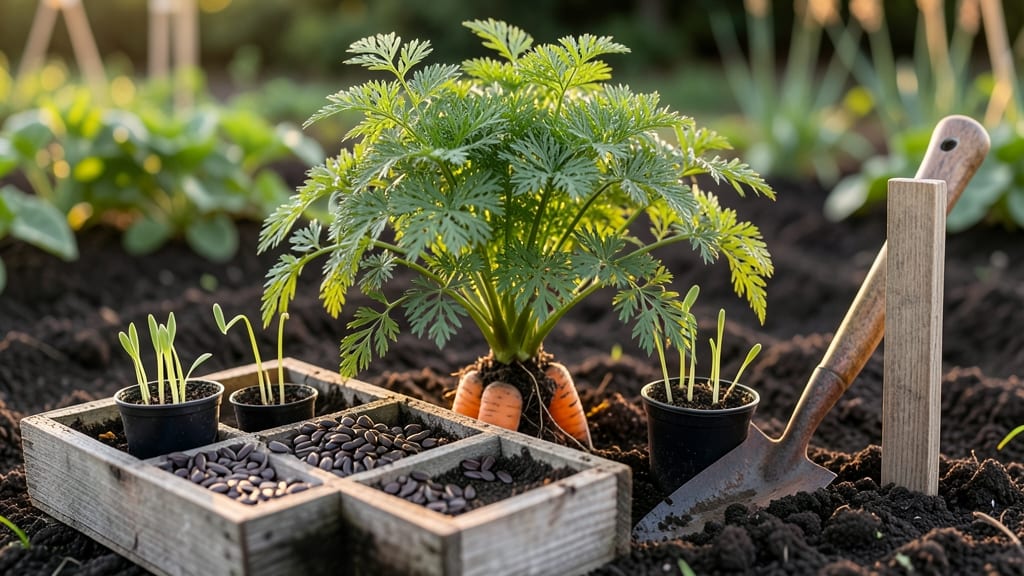
If you’ve ever pulled a bitter, woody carrot from your garden, you know when to plant carrots in Pennsylvania—timing is everything for this finicky root. Planting too early means bolting; too late, and your harvest turns tough.
But here’s the good news: with Pennsylvania’s 6a-7a climate zones, you’ve got two perfect windows to nail it.
The secret lies in those crisp spring and fall months when soil temperatures cooperate. Skip the guesswork and plant between March 15–April 30 for spring carrots or August 15–September 15 for fall, aligning with Pennsylvania’s frost-free dates.
This isn’t just theory—it’s how gardeners in your zone consistently grow sweet, crisp roots.
Why does this matter? Because bolting (when carrots flower prematurely) turns your harvest into a sad, leafy mess. We’ll show you how to avoid that pitfall and extend your growing season with succession planting and cold-hardy varieties like ‘Danvers.’
Ready to ditch the trial-and-error? Let’s break down the exact months, soil prep tips, and companion plants that’ll make your carrots the star of your garden—no more store-bought competition needed.
Best planting months for carrots in Pennsylvania by climate zone
Pennsylvania’s climate varies dramatically from the cool mountains of the north to the warmer valleys in the south. This means your carrot planting window depends on your USDA zone. Most of PA falls between zones 5b and 7a, with frost-free dates ranging from mid-April to late April.
To grow sweet, crisp carrots, aim for soil temperatures between 45°F and 85°F—too cold, and seeds rot; too hot, and they bolt.
For spring planting, start seeds indoors 4-6 weeks before your last frost date (around mid-March for most regions). Outdoors, sow seeds 2-3 weeks after the last frost, typically late March to early April.
In USDA zone 7a (southern PA), you can push this to early March if soil is workable. In zone 5b (north-central PA), wait until mid-April to avoid frost damage.
Fall planting is equally critical for a second harvest. In zone 7a, sow seeds by mid-August to mature before frost (usually mid-October). In zone 5b, plant by late July to early August for a 90-day harvest window.
Carrots planted too late may not reach maturity before winter, leaving you with small, woody roots.
| USDA Zone | Spring Planting Window | Fall Planting Window | Soil Temp Threshold | Frost-Free Date |
|---|---|---|---|---|
| 5b (North-Central PA) | Mid-April to May 1 | Late July to August 1 | 45°F–80°F | April 15–May 1 |
| 6a (Central/Southern PA) | Early March to April 15 | Mid-August to September 1 | 45°F–85°F | April 1–April 15 |
| 7a (Southeastern PA) | Late February to March 31 | August 15 to September 15 | 50°F–85°F | March 20–April 1 |
PA’s clay-heavy soil can be a challenge for carrots, which need loose, well-draining soil to grow straight. Amend beds with compost or sand before planting to improve texture. If your soil stays too wet after rain, carrots will fork or rot.
In zone 5b, where springs are cooler, opt for cold-hardy varieties like ‘Danvers’ or ‘Chantenay’ to avoid bolting.
For high-elevation areas (e.g., Poconos or Allegheny Mountains), plant 1-2 weeks later than the zone 5b guidelines. Cooler nights and shorter growing seasons mean carrots take longer to mature. Use row covers to extend the season and protect young plants from late frosts, which can stunt growth.
In southern PA (zone 7a), where summers are hotter, focus on fall planting to avoid the bolting risk of long, hot days. Varieties like ‘Nantes’ or ‘Paris Market’ thrive in these conditions and produce sweet, tender roots even in heat. Always water deeply during dry spells to prevent stress.
Pro tip: Test your soil before planting. Carrots prefer a pH of 6.0–7.0. If your soil is too acidic, add lime; if it’s alkaline, mix in sulfur or peat moss. A simple home test kit (available at garden centers) makes this easy.
Timing isn’t just about months—it’s about soil conditions. Wait until the ground is workable and at least 50°F before planting. In clay-heavy PA soil, this might mean waiting until mid-April even if frost is gone. Patience pays off with perfectly shaped, sweet carrots!
How to extend your carrot harvest season without risking bolting
Pennsylvania’s short growing season doesn’t mean you’re limited to one carrot harvest. With the right strategies, you can enjoy crisp roots from early summer through fall—even winter—while avoiding the dreaded bolting that turns sweet carrots bitter.
The key is balancing succession planting, cold-hardy varieties, and protective measures like row covers. Let’s break down how to stretch your harvest without sacrificing quality.
Start by planting successive crops every 2-3 weeks from late March through early May. This creates a staggered harvest, ensuring you always have fresh carrots ready.
For example, if you plant a batch on March 15, follow up with another on April 1, then April 15, and so on. This method works especially well for short-day varieties like ‘Nantes’ or ‘Danvers,’ which tolerate cooler temperatures better than long-day types.
For a fall harvest, your last planting window is August 15–September 15. Choose varieties labeled as cold-tolerant, such as ‘Chantenay’ or ‘Paris Market,’ which can handle light frosts.
These carrots mature faster in cooler weather, giving you roots ready by October or November—just in time for holiday meals or winter storage.
- 1. Use row covers in early spring or late fall to protect seedlings from cold snaps and extend the season by 2-3 weeks.
- 2. Plant in raised beds with fine, loose soil to prevent forking and improve drainage in Pennsylvania’s clay-heavy soil.
- 3. Choose bolt-resistant varieties like ‘Rainbow’ or ‘Solar Yellow’ for longer harvest windows without flowering.
- 4. Mulch heavily with straw or leaves to insulate roots and keep soil temperatures stable.
- 5. Harvest strategically: Pull outer rows first to avoid overcrowding and stunted growth in remaining plants.
Don’t overlook companion planting to naturally deter pests like carrot flies. Pair your carrots with leeks, rosemary, or thyme, which repel insects without chemicals. Avoid planting near dill or parsley, as these attract the same pests that target carrots.
In Pennsylvania’s humid summers, shade cloth can also help prevent bolting by keeping soil temperatures cooler.
For a winter harvest, focus on varieties like ‘Winterkeeper’ or ‘Purple Haze,’ which store well in cool, dark conditions. Harvest before hard frosts hit (typically mid-October in PA) and store in sand or sawdust in a root cellar.
With these techniques, you can enjoy homegrown carrots from June through December—no greenhouses required!
Remember, the goal is consistency over quantity. A few well-timed plantings and protective measures will give you a longer, more reliable harvest than trying to grow everything at once. Happy planting!