
Plants
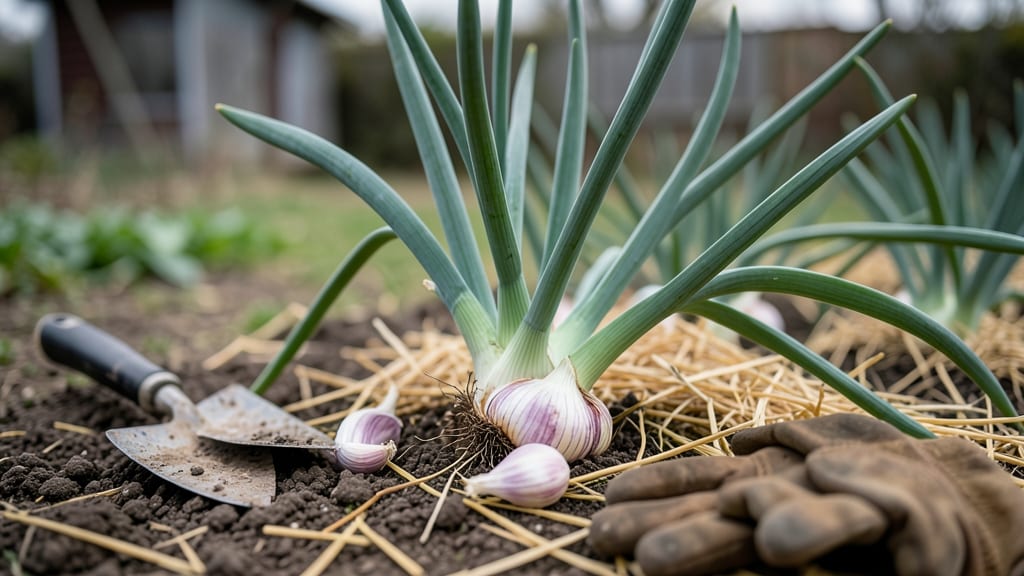
Timing your spring garlic planting in Ohio isn't just about the calendar—it's about matching the 🧄's chill-hour needs with your local frost dates. Plant too early, and you risk stunted growth; too late, and your crop might never reach its full potential.
The sweet spot for hardneck varieties in Ohio's 6a zone is early March to mid-April, but there's more to it than just dates.
Most gardeners focus on frost dates, but hardneck garlic actually needs 300–600 chill-hours to form proper bulbs. Ohio's variable spring weather adds another layer—false springs can trick you into planting too soon, while unexpected cold snaps might delay your schedule.
I'll show you how to read your microclimate and adjust planting times to protect your investment.
Beyond timing, soil prep and variety selection make all the difference. We'll cover how to test your soil's readiness (hint: it should be workable but not soggy) and which hardneck varieties thrive in Ohio's conditions.
Whether you're a first-time grower or a seasoned gardener, these spring-specific adjustments will help you avoid common pitfalls.
Let's break down exactly when to plant, how to extend chill-hours if needed, and what to watch for as your garlic emerges. By the end, you'll have a clear plan to maximize your yield—no guesswork required.
Ohio’s ideal garlic planting window: chill-hours vs. frost dates
Ohio’s hardneck garlic thrives when planted during a 4–6 week window before the first hard frost, typically mid-October to early November for fall planting. However, spring planting is possible if you adjust for chill-hour requirements (300–600 hours below 40°F).
Northern Ohio’s USDA Zone 5–6 demands earlier timing than southern Ohio’s Zone 6–7, where springs arrive sooner.
Hardneck varieties like ‘Music’ or ‘Chesnok Red’ need these chill-hours to form bulbs properly. If you miss the fall window, spring planting can work—but only if you extend chill-hours artificially or plant overwintered cloves early enough.
Spring planting in Ohio typically starts early March to mid-April, aligning with soil workability and last frost dates.
Here’s how Ohio’s microclimates affect timing: Northern counties (e.g., Cleveland, Toledo) have later springs, while southern areas (e.g., Columbus, Cincinnati) can plant 2–3 weeks earlier.
Always check your local frost dates—Ohio’s average last frost ranges from April 15 in the north to May 1 in the south.
For spring planting, aim to get cloves in the ground 4–6 weeks before your last frost date. This gives roots time to establish before warm weather triggers rapid growth. Use a soil thermometer to confirm temperatures are 40–50°F—garlic won’t sprout in colder soil.
| Region | USDA Zone | Ideal Planting Window | Last Frost Date | Chill-Hours Needed |
|---|---|---|---|---|
| Northern Ohio (e.g., Cleveland, Toledo) | 5b–6a | Early March–Mid-April | April 15 | 500–600 hours |
| Central Ohio (e.g., Columbus) | 6a–6b | Late February–Early April | April 1–April 15 | 400–500 hours |
| Southern Ohio (e.g., Cincinnati) | 6b–7a | Mid-February–Late March | May 1 | 300–400 hours |
If you’re planting in late winter, use cold frames or shade cloth to extend chill-hours. Place cloves in a deep tray, cover with soil, and store in a garage or unheated shed until soil temperatures rise. This mimics Ohio’s natural fall chill and prevents bolting (flowering) in spring.
Pro tip: Test your soil’s chill capacity by burying a thermometer in a protected garden bed for 2 weeks. If temps stay below 40°F for 300+ hours, you’re safe for spring planting. Otherwise, opt for overwintered cloves or a greenhouse setup.
Ohio’s variable weather can disrupt chill-hours. A false spring (warm spell in winter) followed by a freeze can heave soil, damaging newly planted cloves. To prevent this, mulch with straw or leaves (4–6 inches thick) after planting to insulate roots.
For hardneck garlic, timing is everything. Plant too early, and cloves rot in cold soil; too late, and bulbs won’t mature before summer heat. Balance chill-hours, soil temps, and frost dates for Ohio’s best results—aim for late February to early April in most areas.
Remember: Hardneck varieties are Ohio’s top choice because they store well and produce flavorful bulbs. Softneck varieties (like ‘Silverskin’) can also work but require fewer chill-hours, making them slightly more forgiving for late spring plantings.
Spring planting adjustments: how to compensate for Ohio’s variable weather
Ohio’s spring weather can be as unpredictable as a March snowstorm followed by 70°F sunshine—making it tricky to nail garlic planting timing. Since hardneck varieties need 300–600 chill-hours, late winter/early spring planting requires extra care to avoid false springs or soil-heaving risks.
The key is monitoring soil temperatures (aim for 40–50°F) and adjusting your planting window to align with Ohio’s average last frost dates (April 15 in northern Ohio, May 1 in southern Ohio).
For spring planting, I recommend starting as early as February in southern Ohio if you use a cold frame or row cover to extend chill-hours. In northern Ohio, wait until mid-March when soil temperatures stabilize.
Planting too early risks frozen cloves, while waiting too long may leave your garlic short on chill-hours for proper bulb formation.
Here’s my step-by-step adjustment guide for Ohio’s variable spring:
Ohio’s unpredictable warm spells can trick garlic into sprouting early, only to be fried by late frosts. If shoots emerge before consistent 50°F soil temps, cover them with lightweight row fabric to protect tender growth.
To extend chill-hours for spring-planted garlic, I use these three proven methods:
- Cold Frames: Place cloves in a low-profile cold frame (like a DIY Plexiglas box) 4–6 weeks before your target planting date. This adds 100–200 extra chill-hours without freezing the soil.
- Shade Cloth: Use 30% shade cloth over newly planted cloves if daytime temps spike above 60°F. This mimics cooler spring conditions while allowing sunlight.
- Mulch Thickly: Apply 6+ inches of straw mulch after planting. This insulates soil, preventing rapid warming and soil-heaving during freeze-thaw cycles.
Once your garlic is planted, monitor soil moisture closely—Ohio’s spring rains can quickly turn dry soil into soggy messes. Water deeply once a week (1 inch total) in the morning to avoid fungal diseases like basal rot, which thrives in damp conditions.
If your soil feels clay-heavy, mix in compost or sand to improve drainage before planting.
Pro tip: Mark your planting date on a calendar and track chill-hours using a free online calculator (like the one from the University of Illinois Extension). This helps you adjust if Ohio’s weather throws a curveball—like a late-March snowstorm or an early-April heatwave.
With these adjustments, your spring-planted garlic will still have time to bulb properly before summer heat sets in.