
Planting
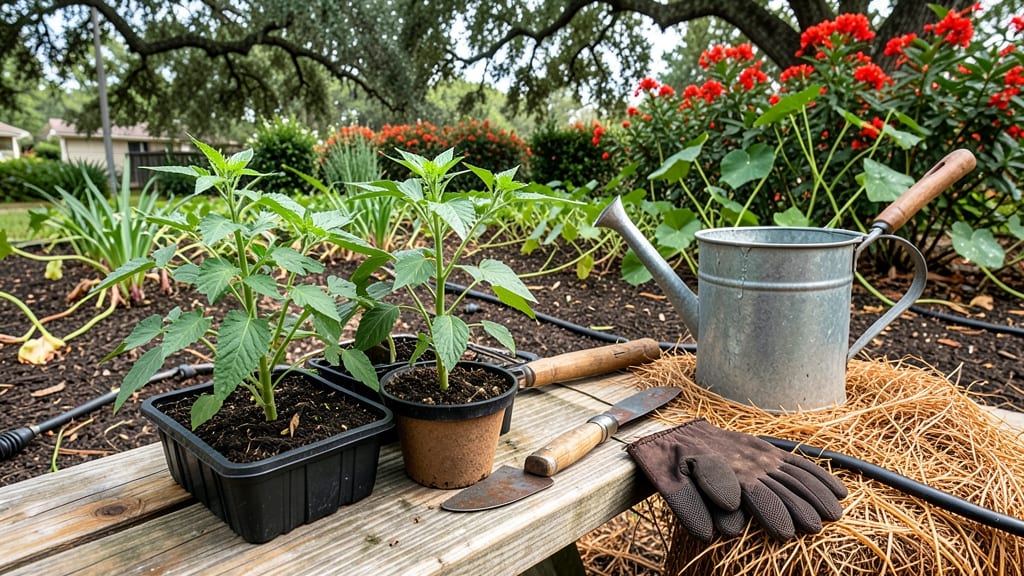
If you’ve ever watched your lettuce bolt into flower or your tomato plants wilt under Florida’s brutal sun, you know timing is everything in gardening. The key to a thriving General Florida Garden 🌺 isn’t just what you plant—it’s when you plant it.
Skipping the right window means risking heat stress, wasted seeds, or a harvest that never comes.
Florida’s heat zones—ranging from 8a in the Panhandle to 11 in the Keys—create wildly different planting deadlines. North Florida’s cooler winters mean you can tuck in cool-season crops by January, while South Florida’s frost-free climate lets you sow year-round.
But even in the Sunshine State, one wrong move can turn your garden into a sad, sun-scorched memory.
I’ve spent years testing Florida’s planting windows, and the secrets I’m about to share will help you avoid common pitfalls. Whether you’re a beginner or a seasoned green thumb, mastering these heat zone deadlines means fewer failed crops and more homegrown success.
Let’s get your garden on the right track—before the next heatwave hits.
From fall’s ideal window for cool-season veggies to summer’s heat-tolerant champions, you’ll learn exactly when to plant for zero bolt risk. No more guesswork—just a garden that grows like it’s supposed to.
Florida heat zones explained: when to plant by region (avoid bolt risk)
Florida’s heat zones (8A–10B) dictate your planting deadlines. Unlike northern states, Florida’s frost-free regions mean year-round gardening—but timing still matters. Zone 8A (North FL) has last frosts in January, while Zone 10B (South FL) has none.
Planting outside these windows risks bolting lettuce or wilting seedlings in extreme heat.
Each zone has unique microclimates. For example, Orlando (9A) can handle tomatoes in March, but Miami (10B) can plant them year-round. I’ll break down month-by-month deadlines for your region, so you avoid heat stress and pest outbreaks. Start with these key thresholds:
🌡️ Florida Heat Zone Planting Deadlines
| Zone | Last Frost | Summer Planting Window | Fall Planting Window |
|---|---|---|---|
| 8A (North FL: Pensacola, Tallahassee) | Jan 15 | March–May (heat-sensitive crops) | July–Sept (cool-season starts) |
| 9A (Central FL: Orlando, Ocala) | Feb 1 | Feb–June (extended window) | June–Oct (longer growing season) |
| 9B (Gainesville, Daytona) | Jan 31 | Feb–May (bolting risk after June) | May–Nov (near year-round) |
| 10A (South FL: Naples, Fort Myers) | None | Year-round (shade for heat-sensitive) | Year-round (succession planting) |
| 10B (Miami, Key West) | None | Year-round (use shade cloth) | Year-round (harvest every 6 weeks) |
🌱 Pro Tip: Use shade cloth in Zones 10A–10B to protect leafy greens from 90°F+ temps.
Zone 8A gardeners must time cool-season crops (like broccoli) for July–September planting to avoid winter frosts. Meanwhile, Zone 10B growers can plant basil in December—but watch for humidity-related diseases. I recommend bookmarking your zone’s deadlines to prevent wasted seeds or stunted growth.
For herbs like cilantro, plant in fall (Sept–Nov) in Zone 9A—it bolts in summer heat. Conversely, okra thrives in 90°F+, so Zone 10B gardeners can sow it year-round.
My top rule: Match the plant’s heat tolerance to your zone’s peak summer temps (e.g., 95°F in Zone 8A vs. 85°F in Zone 10B).
Microclimates complicate things. A shady backyard in Zone 9A might support spinach in July, while a sun-drenched patio would bolt it in days. Use local weather apps (like Florida Climate Center) to track heat spikes. I’ve seen tomato plants wilt at 92°F in Orlando—but heat-resistant varieties (like Solar Fire tomatoes) handle it better.
Succession planting is key in Florida. Instead of one big July planting, stagger beans every 2 weeks to extend harvests. This works for Zones 8A–10A; Zone 10B can plant continuously. My fall favorite: kale, which sweetens in cool weather—plant it Aug–Sept in Zone 9A for winter harvests.
Pest pressure rises in summer humidity. Squash vine borers attack in June–July, so plant squash in May (before eggs hatch). Fungal diseases (like powdery mildew) thrive in Zone 10B’s 90% humidity—space plants and water at soil level to prevent outbreaks. I’ve lost entire basil patches to mildew; morning watering saved my next crop.
Soil temperature matters as much as air temps. Use a soil thermometer—warm-season crops (like peppers) need 70°F+ soil, while cool-season crops (like carrots) prefer 60–65°F. In Zone 8A, wait until May for tomatoes; in Zone 10B, plant anytime but mulch heavily to keep roots cool. My go-to mulch: straw (retains moisture, regulates temp).
Heat zone maps aren’t perfect—elevations (like Gainesville’s hills) create micro-zones. Test your garden’s conditions for 2 years to refine your planting calendar. Start with heat-tolerant seeds (like Malabar spinach) to build confidence. With these zone-specific deadlines, you’ll avoid bolting, wilting, and pests—and enjoy Florida’s year-round harvests.
Best vegetables to plant in Florida’s summer vs. fall seasons (with heat tolerance ratings)
Florida’s long growing season lets you harvest almost year-round, but timing matters. Summer’s brutal heat (often 90°F+) wipes out heat-sensitive crops like lettuce and spinach in days.
Yet, fall brings cooler temps—ideal for broccoli, kale, and carrots—while summer thrives with okra, sweet potatoes, and peppers. The trick? Plant heat-tolerant varieties in summer and cool-season crops in fall.
Here’s how to match your garden to Florida’s two peak planting windows. Use the heat tolerance ratings below to pick winners for each season—because bolting or wilting isn’t just frustrating; it’s a wasted season.
Pro tip: South Florida’s zone 10B can grow year-round, while North Florida’s zone 8A needs cooler months for delicate greens.
For summer planting, aim for June–August with heat-tolerant crops. Start seeds indoors in April–May for a jump-start, then transplant after the last frost (usually mid-February in North FL and year-round in South FL). In fall, sow seeds August–September for a cool-season harvest before winter chills arrive.
My top 3 summer crops for Florida? Okra (heat-loving and prolific), sweet potatoes (thrive in sandy soil), and bell peppers (sweetens in heat). For fall, broccoli, kale, and carrots are my go-tos—they handle Florida’s 50–70°F nights perfectly. Just avoid planting lettuce in summer unless you’re using shade cloth!
Need a quick cheat sheet?
Bookmark these planting deadlines: - Summer crops: Transplant June 1–July 15 (avoid peak August heat). - Fall crops: Sow August 15–September 15 for harvests before first frost (North FL: December 15). - Year-round: Citrus, herbs (basil, rosemary), and southern peas grow almost anytime.
Remember: Florida’s humidity and soil heat can stress plants even more than dry heat. Mulch with straw or pine needles to keep roots cool, and water deeply in the morning to prevent fungal issues.
With these heat tolerance ratings, you’ll skip the guesswork and grow a garden that thrives—no matter the season. 🌱