
Plants
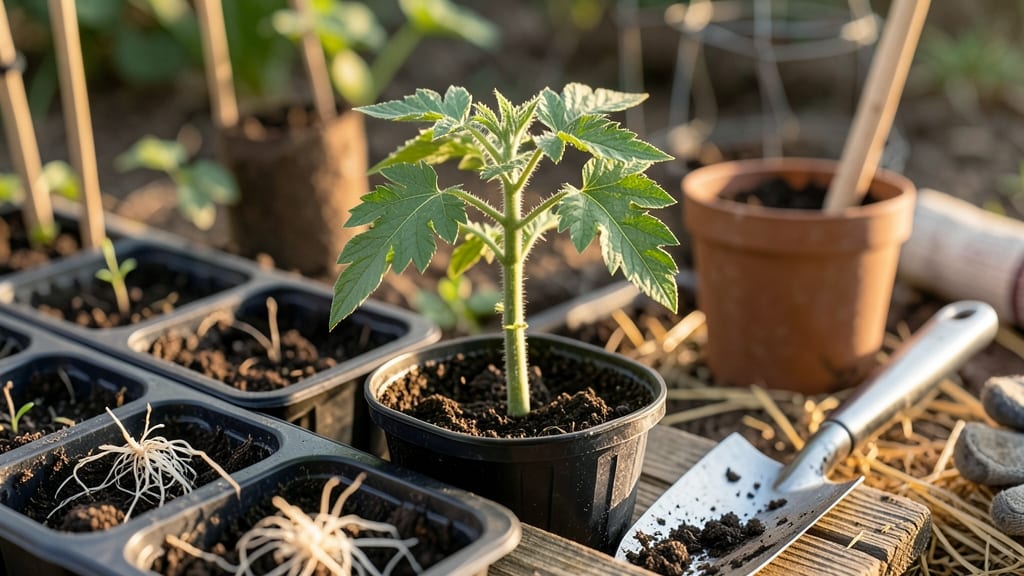
Knowing when to plant tomato plants in Pennsylvania can mean the difference between a bountiful harvest of juicy 🍅 and wasted seedlings. The Keystone State’s varied climate—from Erie’s cool lake breezes to Philadelphia’s humid valleys—demands precise timing to avoid frost damage or stunted growth.
Most gardeners in USDA zones 5b-7a wait until mid-April to early June, but that’s just the starting point. The real secret lies in soil temperature and local frost patterns, which can shift planting windows by weeks depending on where you live.
Whether you’re starting seeds indoors or transplanting seedlings, getting this right ensures your tomatoes thrive from July through October.
In this guide, I’ll break down the exact planting windows for your region, from Pittsburgh’s late-April start to Lancaster’s slightly later schedule.
You’ll also learn how to check soil warmth and use frost protection to extend your growing season—because in Pennsylvania, timing isn’t just about the calendar; it’s about the weather’s mood swings.
Ready to turn your tomato dreams into a reality? Let’s dive into the data and strategies that will help you plant with confidence, no matter where you garden in the state.
Pennsylvania last-frost dates by region: exact planting windows for tomatoes
Pennsylvania’s last-frost dates vary wildly—from April 15 in the warmer southeast to May 10 near Lake Erie. These differences mean your tomato planting window could shift by 3 weeks depending on where you live. Let’s break down the exact timing for transplants vs. direct-sown seeds in key regions.
For Pittsburgh (USDA Zone 6a), the average last frost is April 25, but gardeners should wait until May 1 to plant tomatoes outdoors.
In Philadelphia (Zone 7a), you can start 2 weeks earlier (around April 15), while Erie (Zone 5b) often waits until May 15 due to its late-spring chills.
Use this summary table to find your exact planting window, including historical frost data from 2023 to help you plan:
| Region | Last Frost (Avg) | Plant Transplants | Direct-Sown Seeds | 2023 Earliest Safe Date |
|---|---|---|---|---|
| Philadelphia (Zone 7a) | April 15 | April 25–May 1 | Mid-May | April 10 |
| Pittsburgh (Zone 6a) | April 25 | May 1–5 | Late May | April 20 |
| Erie (Zone 5b) | May 10 | May 15–20 | Early June | May 5 |
| Allentown (Zone 6b) | April 20 | April 25–May 1 | Mid-May | April 15 |
| Lancaster (Zone 7a) | April 10 | April 20–25 | Early May | April 5 |
If you’re starting seeds indoors, begin 6–8 weeks before your last frost date. For Philadelphia, that’s mid-February, while Erie gardeners should wait until late March. Use grow lights to ensure strong seedlings before transplanting.
Pro tip: Check the Penn State Extension frost calendar for your county—some areas, like the Poconos, can have 10-day delays compared to nearby valleys. Always have frost cloth ready for late surprises!
For direct-sown seeds, wait until soil temps hit 60°F+ (not just frost-free). In cooler zones like Erie, this can mean planting 3 weeks later than transplants. Use black plastic mulch to warm the soil faster if needed.
Remember: Early planting in PA isn’t always better. Rushing can lead to blossom-end rot or stunted growth. Balance your planting date with mature harvest time—aim to finish before the first frost in October.
For extended-season tomatoes, consider cold-hardy varieties like ‘Stupice’ or ‘Mountain Merit’, which tolerate cooler temps. These can push your harvest window by 2–3 weeks in high-risk areas.
🌱
Soil temperature check: the hidden factor that determines tomato success in PA
Pennsylvania’s last frost date is a great starting point, but soil temperature is the real game-changer for tomato success. Even after frost danger passes, cold soil can stunt root growth or prevent seeds from germinating.
In Erie County, for example, soil might linger below 50°F until late May, while Lancaster could hit ideal temps by early April. Ignoring this means risking weak seedlings or delayed harvests.
Tomatoes need at least 60°F soil to thrive, but roots can tolerate 40°F for short periods. Seeds, however, won’t germinate below 55°F. That’s why I always check soil warmth before planting—especially in USDA Zone 5b areas like Pittsburgh, where cool springs are the norm.
A simple soil thermometer (just $10 at garden centers) can save you weeks of frustration.
🌱
⚠️ DON’T PLANT TOO EARLY!
Cold soil (below 50°F) can cause:
- Seed rot in direct-sown tomatoes
- Stunted roots in transplants
- Delayed fruiting by 3-4 weeks
Pro tip: Use black plastic mulch 1-2 weeks before planting to warm soil by 5-10°F.
Testing soil temperature is easy: Stick a thermometer 4 inches deep in the ground on a sunny afternoon. In Philadelphia’s Zone 7a, I aim for 65°F+ before transplanting, while State College’s Zone 6b often needs to wait until May 15 or later.
If your soil is too cold, try these quick fixes: Lay down clear plastic sheeting 48 hours before planting to trap heat, or use straw mulch to insulate roots while warming gradually.
For direct-sown seeds, warm soil is even more critical. I’ve seen cherry tomato seeds fail to germinate in 48°F soil, even with perfect air temperatures. If you’re eager to start early, consider seedling trays under grow lights indoors until soil warms outside.
This gives you a 4-6 week head start on the season—critical in Pennsylvania’s short growing window.
One last tip: Morning soil temps are always cooler than afternoon readings. Check in the late afternoon (after 3 PM) for the most accurate gauge of planting readiness.
And remember—warmer soil = faster growth, which means earlier harvests and more time to enjoy those homegrown tomatoes before fall frost hits!
☀️