Plants
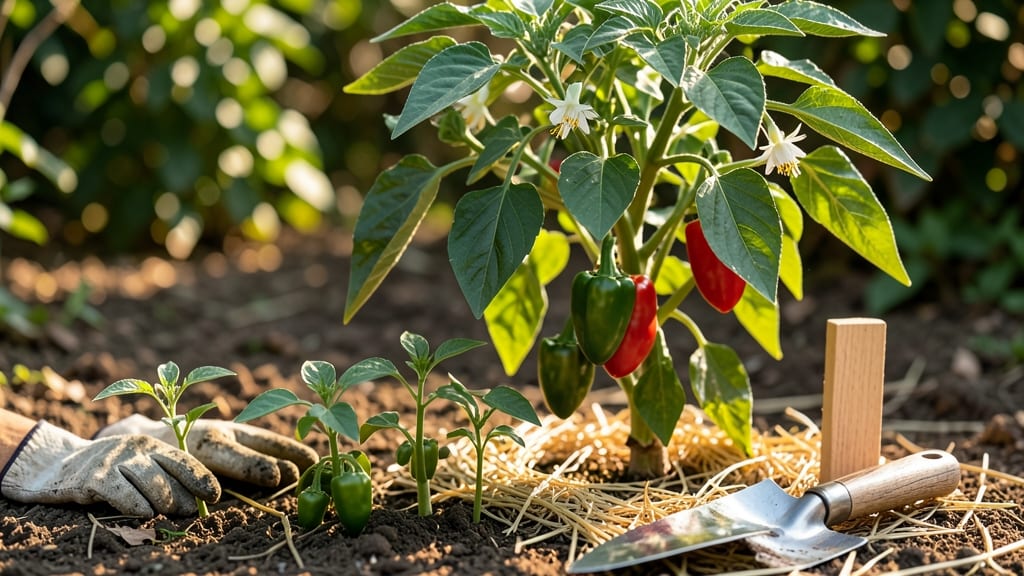
Timing your bell pepper planting in South Florida isn’t just about avoiding frost—it’s about beating the heat and humidity that can turn your garden into a sauna.
With the right start dates, you can avoid the 60-day wait for harvests to turn into a 90-day struggle, especially when summer’s relentless sun hits.
I’ve grown 🌶️ bell peppers here for years, and the difference between a thriving plant and a wilting one often comes down to when you put those seeds in the ground.
Whether you’re in Miami’s coastal warmth or Orlando’s slightly cooler inland climate, knowing the exact windows to start indoors or transplant outdoors is the key to a bountiful harvest.
You’ll discover the precise spring and fall planting schedules that work for South Florida’s unique microclimates, plus the heat-tolerant pepper varieties that actually thrive here. No more guessing—just actionable advice to get your peppers growing strong when the conditions are perfect.
Let’s dive into the exact dates, soil temps, and pro tips to ensure your bell peppers don’t just survive the Florida heat—they thrive in it.
Optimal planting windows for bell peppers in South Florida’s microclimates
South Florida’s frost-free growing season stretches nearly year-round, but timing still matters for bell peppers. Unlike northern climates, we don’t have to worry about freezing temperatures, but heat spikes and humidity demand precise planting windows.
The key is avoiding stressful transitions—like planting too early when soil is still cool or too late when summer’s brutal heat sets in.
Most South Floridians can grow bell peppers year-round, but peak production happens in spring and fall. Spring plantings (February–April) give you a head start before summer’s 90°F+ days arrive, while fall plantings (August–October) capitalize on cooler, drier weather.
Summer plantings are possible with shade cloth and extra watering, but yields may suffer without these adjustments.
Your exact location in South Florida also plays a role. Miami and Key West enjoy the warmest microclimates, while Orlando and Tampa experience slightly cooler nights. Urban areas with heat islands (like Miami’s downtown) may need to adjust planting dates by 1–2 weeks earlier than rural zones.
Always check your last frost date—though rare, light frosts can still occur in January or December.
| Zone | Start Indoors | Transplant Outdoors | Peak Heat Risk | Notes |
|---|---|---|---|---|
| Miami/Key West | February–March | March–April or August–September | June–September | Year-round growth possible; use shade in summer. |
| Tampa/St. Petersburg | January–February | February–March or August | May–October | Cooler nights than Miami; extend season with row covers. |
| Orlando/Lake County | February–March | March–April or September | June–September | Higher elevation; plant slightly later than coastal areas. |
| Urban Heat Islands (Miami/DT) | January–February | February or September | April–October | Soil heats faster; mulch heavily to retain moisture. |
For spring plantings, start seeds indoors 8–10 weeks before your target transplant date. In Miami, that means February sowing for March transplanting, while Orlando gardeners should begin in late January. Harden off seedlings for 1–2 weeks before moving them outside to avoid transplant shock.
Summer plantings require extra care. If you’re planting in June or July, use shade cloth (30–50%) to protect seedlings from intense sun and heat stress.
Water deeply twice daily and avoid overhead irrigation to prevent fungal diseases like anthracnose. Drip irrigation is your best friend during these months.
Fall is the sweet spot for many South Florida gardeners. Plant seeds indoors in July or buy transplants in August to ensure a harvest before winter’s mild chill arrives. September transplanting gives peppers enough time to mature before December’s cooler temps slow growth.
In Key West, you can even plant through January if you provide light protection.
Don’t forget about soil temperature—bell peppers thrive when soil is at least 70°F. Use a soil thermometer to check before planting. If your soil is cooler than ideal, black plastic mulch can warm it up by 5–10°F in just a few days.
This is especially useful for early spring or late fall plantings.
Pro tip: Succession planting every 2–3 weeks ensures a continuous harvest. For example, plant one batch in February, another in April, and a final one in August to
Pro tips to extend your bell pepper growing season in South Florida
South Florida’s heat and humidity can be tricky for bell peppers, but with the right strategies, you can extend your harvest well beyond the typical spring planting window. The key is balancing shade protection, soil moisture, and seasonal adjustments to keep your plants thriving year-round.
One of my favorite tricks is using shade cloth during the hottest summer months (June–August). A 30% shade cloth reduces stress while still allowing enough sunlight for photosynthesis. I’ve seen this double my yield in peak heat when other gardeners struggle.
For fall planting, aim to start seeds indoors in late July and transplant after September 1st when temperatures dip slightly. This gives your peppers 3–4 months of ideal growing conditions before cooler winter temps slow them down.
Another game-changer is drip irrigation. Unlike overhead watering, drip systems deliver moisture directly to roots, reducing humidity-related diseases like powdery mildew. I set mine on a timer for early morning to avoid wet foliage at night.
If you’re brave, you can even try winter growing in South Florida! Use row covers or low tunnels to protect plants from light frosts (rare but possible in January–February). Choose compact varieties like ‘Jupiter’ for easier management.
Finally, prune aggressively to focus energy on fruit production rather than leaf growth. Remove lower leaves to improve air circulation and reduce pest pressure. This keeps your plants healthy and productive for months.