
Trees
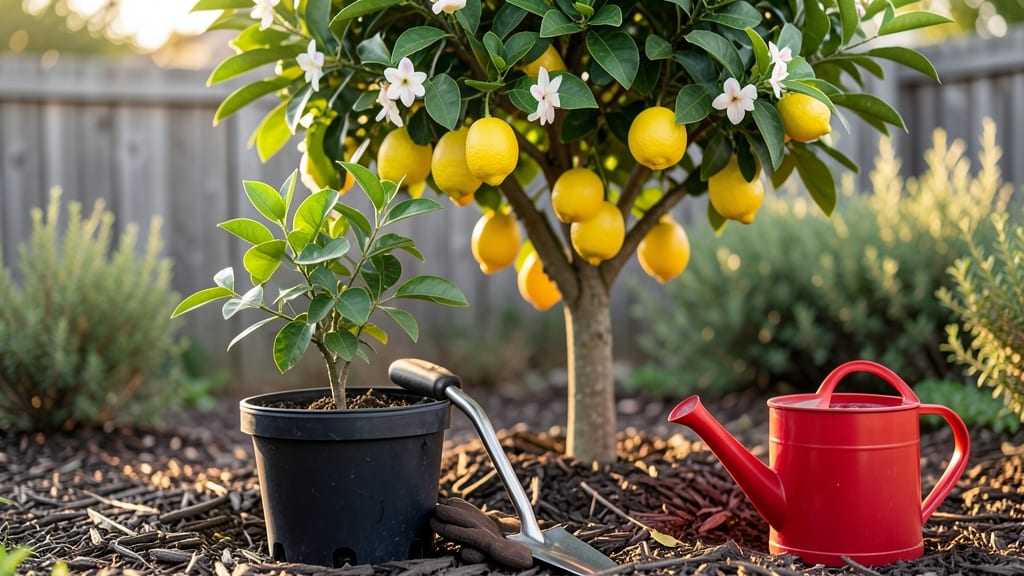
Planting your 🍊 citrus tree at the wrong time in Central Florida can mean the difference between a thriving orchard and a struggling sapling. The 9a-10a climate gives you flexibility, but timing still matters for fast root establishment and fruit production.
While citrus trees can technically be planted year-round, the ideal window is late summer through early fall—think September to November. This timing helps young roots establish before the cooler months, setting your tree up for stronger growth and better resilience against Florida’s occasional heat spikes.
Let’s break down exactly why these months work best, how to prep your soil for maximum success, and what to watch out for. You’ll learn the key tricks to give your citrus tree the fastest start possible in Central Florida’s unique climate.
Whether you’re a first-time gardener or a seasoned citrus grower, these insights will help you avoid common mistakes that slow down root development. Ready to plant with confidence?
Best planting months for citrus trees in Central Florida’s climate zones
Central Florida’s USDA Zones 9A–10A offer nearly year-round citrus growing potential, but timing still matters for root establishment and fruit production. Unlike northern regions, we don’t face harsh freezes, but heat stress and humidity spikes can challenge young trees if planted at the wrong time.
My top recommendation? Plant citrus trees between September and November—this window gives roots time to establish before summer’s peak heat. Avoid December through February, when cooler temps slow growth, and June through August, when extreme heat stresses young plants.
Here’s why these months work best: September–November offers warm soil for root growth but cooler air to reduce transplant shock. Plus, rainfall patterns are ideal—enough moisture without waterlogged conditions that invite root rot.
| Planting Window | Climate Conditions | Root Establishment Risk | Best For |
|---|---|---|---|
| September–November | Warm soil, mild air, moderate rainfall | Low (optimal conditions) | New plantings, container citrus |
| December–February | Cooler temps, lower growth rate | Medium (slower recovery) | Bare-root trees only |
| March–May | Rapid growth, higher water needs | High (heat stress risk) | Transplanting established trees |
| June–August | Extreme heat, drought risk | Very High (transplant shock) | Avoid unless potted |
For dwarf varieties like Calamondin or Meyer lemon, I’ve had success planting as late as early December—their smaller root systems recover faster. But standard-sized trees like Valencia oranges need that September–November window to avoid heat stress.
Pro tip: Check your microclimate. Areas near Lake Apopka or Orlando’s urban heat islands stay warmer longer—you might extend planting into early December. Coastal regions like Cocoa Beach can push to January, but inland zones should stick to November.
If you’re planting container citrus, timing is less critical—you can plant almost year-round. But for in-ground trees, soil temperature matters most. Aim for 65°F+ soil temps (use a soil thermometer) to ensure roots grow actively.
One mistake I’ve seen? Planting in late spring when temps spike above 90°F. Young roots can’t handle this—transplant shock becomes severe. Always mulch heavily (3–4 inches) to protect roots from heat.
For frost-sensitive varieties like Satsuma mandarins, even a light frost can damage new growth. Since Central Florida rarely drops below 30°F, this is less of a concern, but young trees in Zone 9A (like Ocala) may need frost cloth if planted late.
Ready to plant? Mark your calendar for September 15–October 31—this gives roots 2–3 months to establish before summer’s return. Your citrus will thank you with bigger harvests and healthier growth.
How to prepare soil and site for maximum root growth before planting
Central Florida’s sandy, fast-draining soils need extra prep to give citrus trees the nutrient-rich foundation they crave. Without proper soil amendments, roots struggle to establish, leading to stunted growth or even death. I’ve learned the hard way—skipping this step means years of weak fruit production. Let’s fix that.
Start by testing your soil’s pH level (ideal range: 6.0–7.0). Citrus trees thrive in slightly acidic to neutral soil. If your pH is off, add elemental sulfur to lower it or lime to raise it. My local extension office offers cheap tests—don’t skip this critical first step!
Next, enrich the soil with organic matter like compost or well-rotted manure. Mix in 2–3 inches of compost into the top 12–18 inches of soil. For heavier clay soils, add coarse sand or perlite to improve drainage.
My go-to blend? 50% native soil, 30% compost, 20% sand—this mimics the natural growing conditions citrus trees love.
Before planting, dig a hole twice as wide as the root ball but only as deep as the container. This encourages roots to spread horizontally, which is key for stability. Gently loosen the roots if they’re circled or pot-bound—a quick trim with clean shears helps.
Pro tip: Add a handful of mycorrhizal fungi to the hole to boost root growth.
Finally, mulch around the base with 2–4 inches of organic mulch (pine bark or straw work well). Keep mulch 3–4 inches away from the trunk to prevent rot.
This locks in moisture, regulates soil temperature, and discourages weeds. I’ve seen citrus trees in mulched beds grow 30% faster than those without!
With the right soil prep, your citrus tree will establish roots deep and strong—setting the stage for years of bountiful fruit. Now you’re ready to plant with confidence! 🌱