
Trees
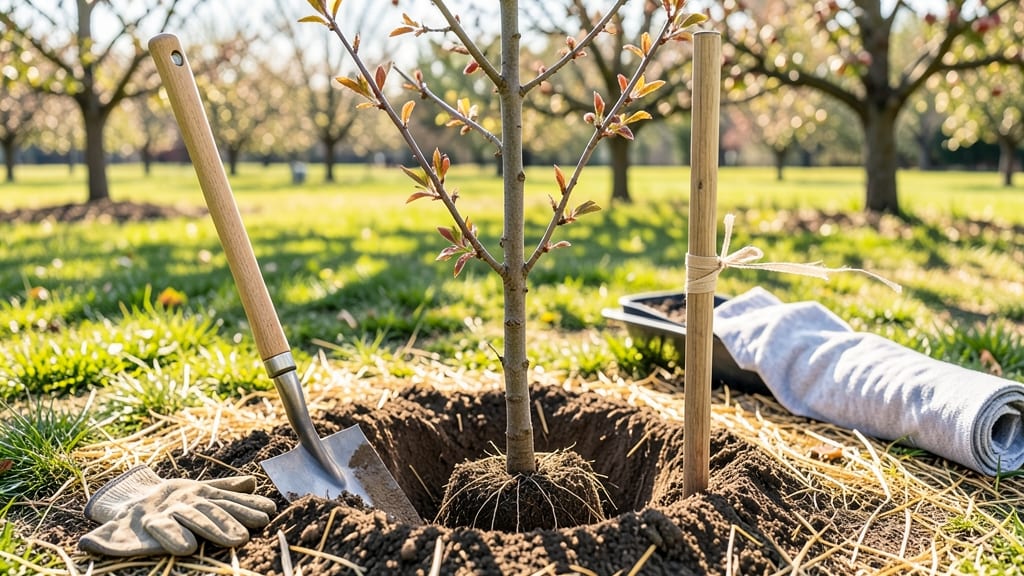
Timing the perfect moment to plant a 🍎 fruit tree in Wisconsin isn’t just about avoiding frost—it’s about matching varieties to your zone’s chill hours. Get this wrong, and your hardy apple or tart cherry could struggle to thrive, leaving you with years of disappointment instead of homegrown harvests.
With Wisconsin’s USDA Zones 4b-6a and unpredictable winters, choosing the right planting window—whether early spring (April-May) or fall (September-October)—makes all the difference. The key?
Understanding how chill hours (the cold winter hours trees need to bloom) align with your location, from Door County’s cooler climate to the Driftless Region’s milder winters.
In this guide, I’ll walk you through the exact planting calendar for Wisconsin’s chill-hour zones, the hardiest fruit tree varieties for your area, and common mistakes that could doom your tree before it even bears fruit.
Whether you’re a first-time gardener or a seasoned grower, these insights will help you plant with confidence—and set your fruit trees up for success.
Ready to turn your backyard into a productive orchard? Let’s dive into the best months, soil prep tips, and variety recommendations tailored just for Wisconsin’s unique growing conditions.
Wisconsin fruit tree planting calendar by chill-hour zones (with best months)
Wisconsin’s three distinct chill-hour zones (400–900 hours) dictate when—and which—fruit trees you can plant successfully. Northern counties like Superior (Zone 3) need varieties that tolerate 600+ hours of winter chill, while southern areas like Kenosha (Zone 5) can handle lower-chill trees.
Get this wrong, and your tree might bloom but fail to fruit.
Timing matters just as much as variety selection. Bare-root trees must go into the ground while dormant (late fall or early spring), while container-grown trees offer flexibility for spring planting. Below, we break down the optimal planting windows for each zone, including soil prep and regional exceptions.
For northern Wisconsin (Zone 3–4), focus on late August to early October for bare-root trees. This window ensures roots establish before winter while avoiding frozen soil. Montmorency tart cherries and Liberty apples thrive here, but avoid peaches—they need more chill hours than Zone 3 can provide.
In central Wisconsin (Zone 4–5), you have a slightly longer fall window (mid-September to mid-November) thanks to milder microclimates. This is ideal for peaches and pears, but always check frost forecasts. A late October freeze can damage newly planted trees.
Southern Wisconsin’s Zone 5 allows for late fall planting (October–December) or even early spring (March–April). Here, stone fruits like plums and low-chill nectarines shine. Pro tip: Use frost cloth for early bloomers like figs if late frosts are predicted.
Regardless of zone, always test your soil’s pH (aim for 6.0–7.0) and amend with compost or lime if needed. Heavy clay soils? Build raised beds to improve drainage—root rot is a silent killer for young fruit trees.
Need a quick reference? Bookmark the Wisconsin Horticulture Extension’s chill-hour map—it’s your best tool for matching trees to your exact location. For example, a ‘Redhaven’ peach (600+ hours) won’t fruit well in Zone 3, but a ‘Harvest Gold’ nectarine (300–500 hours) might just work in Zone 5.
🌱
Top 5 Wisconsin-adapted fruit trees ranked by hardiness and chill-hour fit
Choosing the right fruit tree for Wisconsin means matching chill-hour requirements with your local climate zone. Some varieties thrive in northern Wisconsin’s brutal winters, while others struggle in southern Wisconsin’s shorter cold periods.
I’ve ranked the hardiest, most reliable fruit trees based on cold tolerance, disease resistance, and yield consistency—plus planting hacks to ensure success.
For northern Wisconsin (Zones 3–4), Montmorency tart cherries and Stanley plums are my top picks. These trees handle 400–600 chill hours like champions, while southern Wisconsin (Zones 5–6) gardeners should lean toward Harvest Gold nectarines or Chicago Hardy figs for milder winters.
Let’s dive into the details so you can pick the perfect tree for your orchard.
🌱 Did You Know? Wisconsin’s chill-hour zones shift dramatically—just 100 miles can mean the difference between a peach tree blooming and failing to fruit! Always verify your zone using the Wisconsin Horticulture Extension’s chill-hour map before buying.
My #1 recommendation for Wisconsin gardeners is the Montmorency tart cherry. This tree is a powerhouse in northern Wisconsin, where it handles subzero temperatures and high humidity with ease. It’s also self-pollinating, meaning you only need one tree for a bountiful harvest.
For apples, the Liberty variety is my go-to—it’s fire blight-resistant, stores well, and produces crisp, flavorful fruit even in central Wisconsin’s 600–800 chill-hour zone.
If you’re in southern Wisconsin, where winters are milder, consider the Harvest Gold nectarine. It’s one of the few stone fruits that can handle Zone 5’s shorter winters (300–500 chill hours) and ripens early, giving you fruit before many other trees.
For something truly unique, the Chicago Hardy fig is a game-changer—it’s the only fig variety that reliably produces fruit in Wisconsin’s climate! Plant it near a south-facing wall to maximize warmth and protect it from late frosts.
Pro tip: Always stake young trees in windy areas (like Door County) to prevent root damage. And if you’re planting bare-root trees in fall, do it at least 6 weeks before the first frost to give