
Plants
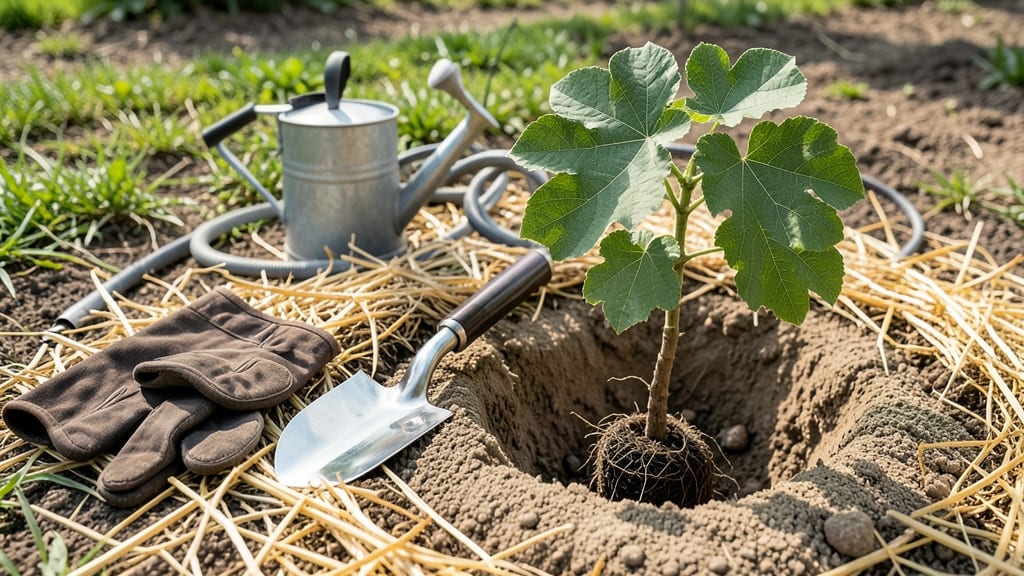
Timing when to plant a fig tree in the ground just right can mean the difference between a thriving 🍈 that bears fruit for years and a struggling sapling that never reaches its potential.
In USDA Zone 6a, where frost lingers until mid-April, planting too early risks cold damage, while waiting too long might stunt root growth before summer heat arrives.
Most gardeners in temperate climates like yours should aim for April to May, once the soil has warmed to at least 50°F and all danger of frost has passed.
This window gives your fig tree's roots 4-6 weeks to establish before summer's intense growth phase begins, setting the stage for stronger branches and bigger harvests come July to October.
But here's the catch: Mediterranean climates can plant as early as March, while southern zones might extend planting into June. The key isn't just months—it's understanding your local frost patterns, soil temperature, and even microclimates that can make all the difference.
Let me show you exactly how to read your climate's signals.
We'll cover everything from soil prep to post-planting care, so you can avoid common mistakes that derail fig trees before they even take root. Whether you're a first-time gardener or a seasoned pro, these insights will help your 🍈 fig tree grow stronger and fruit more abundantly than ever before.
Best months to plant fig trees by USDA hardiness Zones
Fig trees thrive when planted during their optimal growing window, which varies dramatically by USDA hardiness zone. Unlike cold-hardy trees, figs (Ficus carica) are subtropical and need warm soil (at least 50°F) to establish roots.
Planting too early in cold climates can stunt growth or even kill young trees before they bear fruit.
Your local frost-free date is the first clue—fig trees should never face frost within 4 weeks of planting. In Zone 7 or colder, this means waiting until late spring (May-June) to avoid winter damage. Meanwhile, gardeners in Zones 9-11 can plant as early as February-March when soil warms.
Here’s how to match your zone to the perfect planting month:
| USDA Zone | Best Planting Month | Soil Temp Requirement | Key Consideration |
|---|---|---|---|
| Zones 7-8 | May-June | 50°F+ (10°C+) | Wait until after last frost; mulch heavily for winter. |
| Zones 9-10 | February-March | 55°F+ (13°C+) | Plant early spring before summer heat arrives. |
| Zone 11 | Year-round (best in winter) | 60°F+ (16°C+) | Avoid peak summer to reduce transplant shock. |
| Containers (All Zones) | April-May | 50°F+ (10°C+) | Move indoors if frost threatens; use dwarf varieties. |
🌱 Pro Tip: Use a soil thermometer to confirm warmth before planting.
In Zones 7-8, I recommend planting 4-6 weeks after your last frost date—this gives roots time to establish before summer heat. For example, if your area typically frosts until April 15, aim for May 15 planting. Use black plastic mulch to warm soil faster if needed.
For Zones 9-11, early spring planting (February-March) avoids summer heat stress. In my Zone 10 garden, I’ve seen fig trees planted in winter thrive better because they establish roots before the 100°F+ summers. Just ensure your soil isn’t waterlogged—figs hate soggy roots.
If you’re in a transition zone (Zone 8b/9a), like parts of Georgia or Northern California, you can push the envelope by planting in late March. Monitor nighttime temperatures—if they dip below 40°F, protect young trees with burlap wraps or row covers.
Container growing extends your options. Even in Zone 6, you can plant fig trees in large pots and move them indoors during winter. Dwarf varieties like ‘Little Miss Figgy’ stay manageable and fruit reliably. Just ensure pots have drainage holes and use a lightweight potting mix.
Regardless of your zone, avoid planting in fall. Fig trees need 6-8 weeks of warm weather to harden off before winter. A fall-planted tree in Zone 8 risks root dieback when temperatures drop below 30°F.
🌿 Remember: Fig trees are not frost-tolerant—even mature trees can suffer damage below 20°F. If you’re in a high-risk zone, consider heat-loving varieties like ‘Brown Turkey’ or ‘Celeste’, which handle heat better than cold.
How to tell when soil and weather are perfect for planting
Fig trees thrive when planted in warm soil and stable weather, but knowing exactly when those conditions exist can be tricky. The key is monitoring soil temperature and frost risk—both are critical for root establishment.
If you plant too early, cold soil can stunt growth, while late planting risks exposing young roots to fall frosts. Let’s break down the practical indicators that signal your fig tree is ready for the ground.
First, check your soil temperature—fig trees need soil that’s consistently 50°F or warmer at a depth of 6 inches. Use a soil thermometer to test this before planting. In most regions, this typically aligns with late spring, but urban areas with heat islands may warm up faster.
If your soil is still cool, hold off planting to avoid root shock from cold stress.
🌱 Key Planting Indicators
- Soil Temp: 50°F+ at 6" depth
- Frost Risk: No frost predicted for 2+ weeks
- Weather: Stable temps (60°F+ days, 40°F+ nights)
- Microclimate: Sheltered from wind, full sun exposure
Use these cues to avoid common mistakes like planting too early in cold soil or too late in frost-prone zones.
Next, assess your local frost risk. Even if your soil is warm, a late frost can kill young fig trees. Check your USDA hardiness zone and use tools like the National Weather Service frost forecast or local gardening apps.
Aim to plant 4-6 weeks after your last frost date—this gives roots time to establish before summer heat sets in. In Zone 7 or colder, consider waiting until mid-May or even early June for extra safety.
Don’t overlook microclimate factors—your yard’s unique conditions can shift planting windows. For example, south-facing slopes warm up faster than shaded areas, while urban heat islands may allow earlier planting.
If you’re unsure, observe nearby plants: when azaleas finish blooming or peas are ready to harvest, your soil is likely warm enough for figs. These natural cues align with ideal planting times.
Finally, prepare your planting site at least a week ahead. Loosen the soil to a depth of 12 inches, mix in compost or aged manure, and ensure proper drainage. Fig trees hate soggy roots, so avoid low-lying areas where water pools.
If your soil drains poorly, consider planting in a raised bed or mound. This prep work ensures your tree gets off to a strong start once planted.
By combining soil temperature checks, frost risk assessments, and microclimate observations, you’ll pinpoint the perfect moment to plant your fig tree. Timing this right means faster root growth, earlier fruiting, and a tree that thrives for decades—all while avoiding the heartache of a failed planting. 🌿