
Trees
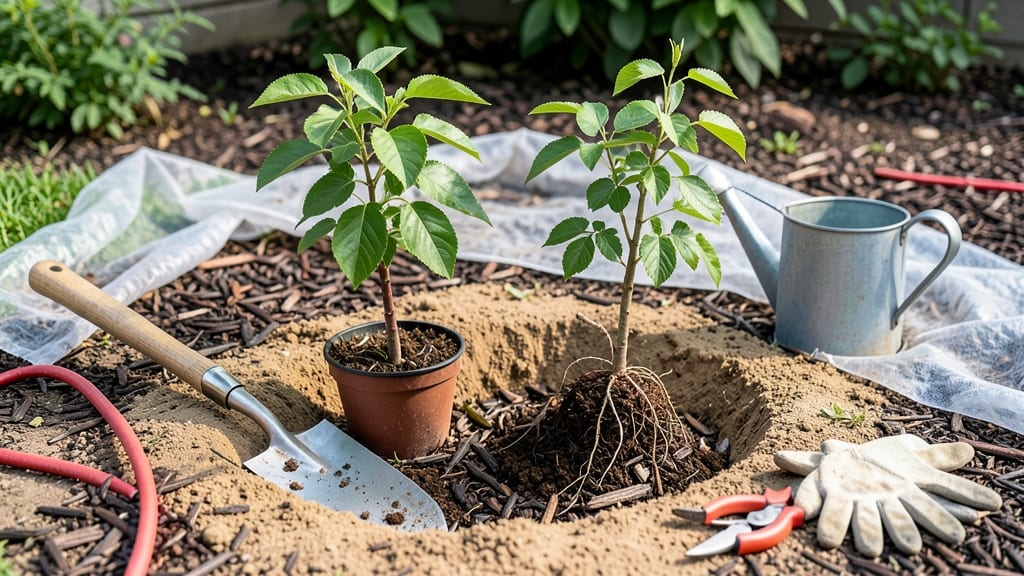
Timing your fruit tree planting in Central Texas could mean the difference between a thriving orchard and a sad investment lost to late freezes. With USDA zones 8a-9a bringing unpredictable cold snaps well into March, getting those roots established before buds swell is absolutely critical.
I’ve watched too many backyard orchards fail because of a missed window—especially with 🍎🍊🍇 varieties like peaches and citrus that despise even light frost.
The secret isn’t just picking a month; it’s understanding how soil temperature, rainfall, and your specific microclimate (urban heat islands vs. rural areas) all play a role in survival.
What if you could plant your trees at the exact moment when they’ll root deeply before spring’s last freeze? That’s what we’re uncovering here—3 key planting windows tailored to Central Texas, plus the pre-planting checklist that’ll keep your young trees from wilting under our brutal sun.
Let’s cut through the guesswork so you can enjoy homegrown fruit instead of empty trellises. Ready to plant with confidence?
Best planting months for fruit trees in Central Texas (by variety)
Central Texas’s USDA Zones 8a-9a offer a narrow window for planting fruit trees—get it wrong, and you risk late-freeze damage or stunted growth. The ideal time is late winter to early spring, but specific varieties thrive best in slightly different windows to align with their natural cycles.
For most stone fruits (peaches, plums, cherries), aim for February through early March—before buds swell but after the worst freeze risks. Citrus trees (oranges, lemons, grapefruits) are more flexible, tolerating late winter (January-February) or even early fall (October-November) in milder microclimates like San Antonio.
Here’s a breakdown of the best planting months for popular fruit trees in Central Texas, tailored to avoid late-spring freezes and maximize root establishment:
| Variety | Best Planting Month | Key Consideration | Notes |
|---|---|---|---|
| Peaches & Plums | February–Early March | Avoid bud break before last frost | Choose late-blooming varieties like Elberta peaches or Santa Rosa plums. |
| Apples & Pears | Late February–March | Need cold dormancy; plant after chill hours accumulate | Best for higher elevations (Zone 8a) like Hill Country. |
| Figs | January–March | Fast-growing; plant early for summer fruit | Celeste or Brown Turkey varieties thrive in Central Texas heat. |
| Citrus (Oranges, Lemons) | January–February or October–November | Avoid extreme heat; fall planting for San Antonio | Use dwarf varieties like Meyer lemon for containers. |
| Pecans | Late February–March | Slow to establish; plant early for long-term growth | Best in sandy soils (common in West Texas). |
| Persimmons | February–March | Drought-tolerant; plant before summer heat | Asian persimmons like Fuyu ripen faster. |
If you miss the ideal window, container-grown trees can be planted in late spring (May), but they’ll need extra watering and shade during their first summer. Bare-root trees must be planted before buds swell—typically by mid-March—or they’ll struggle to establish roots before the heat sets in.
For urban gardeners in Austin or San Antonio, microclimates can shift planting by 2–4 weeks. For example, citrus trees near the San Antonio River Walk might tolerate fall planting, while peaches in Waco need to go in by late February to avoid freeze risks.
Pro tip: Check the Texas A&M AgriLife Extension frost date maps for your specific county. The average last frost in Central Texas is March 15, but late freezes can hit as late as April 1—so don’t delay planting stone fruits past early March.
Once planted, prioritize deep watering (15–30 gallons per tree) and mulching (3–4 inches of organic mulch) to protect roots from Central Texas’s brutal summer heat and winter freezes.
How to adjust planting timing for Central Texas microclimates
Central Texas isn’t one-size-fits-all when it comes to planting fruit trees. Urban heat islands in Austin can push soil temperatures up by 10°F compared to rural areas, while North Texas (like Denton or Waco) often sees earlier last frost dates than San Antonio.
These microclimates mean your peach tree might thrive in early March in one spot but risk freeze damage if planted too soon in another.
Start by checking your local frost-free date—Austin’s average is March 15, while Lubbock’s can be as early as March 1. Use tools like the National Weather Service’s frost prediction maps or your county agricultural extension office for precise data tailored to your ZIP code.
Soil temperature is just as critical as air temperature. Bare-root trees need soil temps above 50°F to root successfully, while container-grown trees can handle slightly cooler conditions.
A soil thermometer (available for ~$15) is your best friend—plant when the soil hits 55°F at a 6-inch depth for most stone fruits like peaches and plums.
Concrete and pavement in cities like Austin or San Antonio can raise soil temps by 10-15°F, accelerating bud break. If planting in urban areas, delay by 1-2 weeks to avoid late-spring freezes that can kill emerging leaves.
Rainfall patterns also shift planting windows. South Texas (e.g., Corpus Christi) often gets delayed rains in April, making May planting safer for drought-sensitive trees like figs or citrus.
Meanwhile, North Texas may experience dry spells in early spring, so prioritize deep watering if planting in February or early March.
For citrus trees, which are semi-tropical, late winter (February) is ideal in USDA Zone 8b-9a, but avoid planting after March 15 in colder pockets like Hill Country. Use windbreaks and mulch to protect young trees from unpredictable late freezes—even in warmer zones.
Pro tip: If you’re in a transition zone (like Freestone County), opt for late-blooming varieties of peaches or plums, which are less vulnerable to spring freezes. Check with local nurseries for Texas-specific cultivars like ‘Redhaven’ peaches or ‘Blackjack’ plums, bred to handle our climate quirks.
Finally, monitor weekly weather forecasts in the weeks leading up to planting. A 10-day outlook showing below-40°F temps after you plant? Delay by 2-3 weeks—your tree’s roots will thank you with stronger growth and a heavier harvest in years to come. 🌱🌡️