
Trees
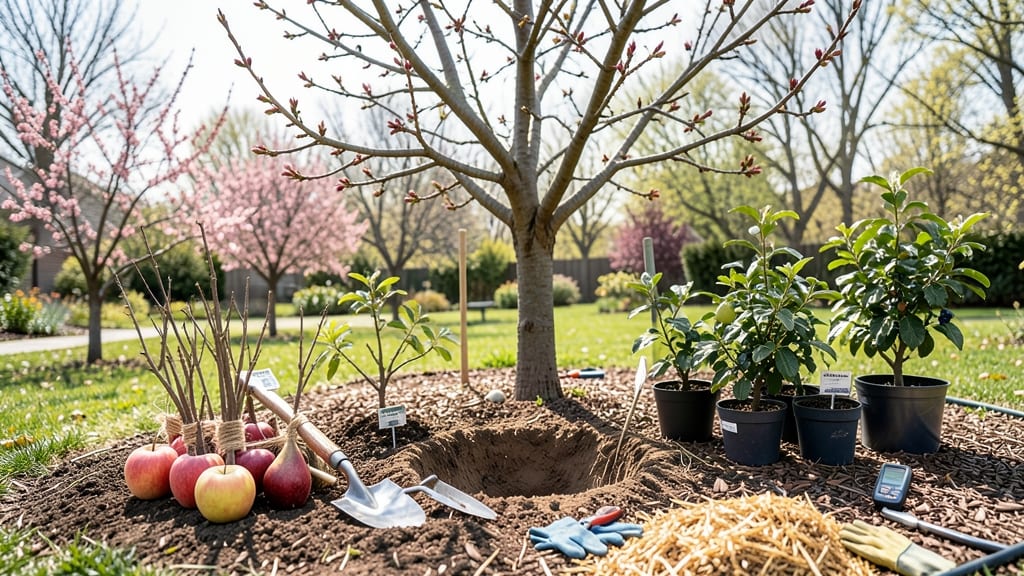
Timing your fruit trees 🍎 planting in Massachusetts isn’t just about picking a month—it’s about giving your young trees the best shot at thriving in the 5b-6b climate. Plant too early, and late frosts could shock delicate roots; too late, and your tree might struggle to establish before winter.
The secret lies in two ideal windows: early spring (March-April) or early fall (September-October), when soil is workable but temperatures are mild enough for roots to settle.
Most gardeners assume spring is the only safe bet, but Massachusetts’ unpredictable weather makes fall planting a smarter choice for many. Why? Cooler temps mean less stress on your tree, and roots have months to grow before winter dormancy.
I’ve seen firsthand how trees planted in September often outperform their spring counterparts by next summer—stronger canes, deeper roots, and fewer surprises when harvest season rolls around.
You might be wondering: Which is right for my orchard? The answer depends on your specific fruit trees—apples, peaches, or blueberries each have different needs. Some varieties, like dwarf apples, adapt well to both seasons, while others (like peaches) demand precise timing.
Let’s break down the pros and cons so you can pick the perfect moment for your 🍎 fruit trees to take root and grow.
Whether you’re a first-time planter or a seasoned orchard keeper, getting this right means fewer headaches and more harvests in the years ahead. I’ll walk you through everything—soil prep, frost dates, and even how to tell if your tree is happy or struggling. Ready to plant with confidence?
Massachusetts fruit tree planting calendar: best months for spring vs fall planting
Massachusetts’ USDA Zones 5b-6b mean your fruit trees must contend with late spring frosts and early fall chills. The ideal planting windows are early spring (March–April) and early fall (September–October), but timing varies by fruit type and microclimate.
Coastal areas like Cape Cod have milder winters, while inland regions like Western MA face harsher conditions.
For apple and pear trees, experts at UMass Extension recommend planting in late April to avoid frost damage to emerging buds. Stone fruits (peaches, cherries) thrive when planted in September, giving roots time to establish before winter dormancy. Blueberries, which prefer acidic soil, do best in early spring when soil is workable but not frozen.
Soil temperature is critical—roots need 45°F+ soil to grow actively. Use a soil thermometer to check before planting. In cooler inland zones, wait until mid-April; coastal gardeners can plant as early as late March.
Fall planting should wrap up by October 15 to allow roots to harden before frost.
| Fruit Type | Best Planting Window | Soil Temp Requirement | Key Consideration |
|---|---|---|---|
| Apple/Pear | Late April–Early May | 45°F+ | Avoid late frosts; needs chill hours |
| Peach/Cherry | September–October | 50°F+ | Root establishment before dormancy |
| Blueberry | March–April | 40°F+ | Acidic soil prep required |
| Plum | April or September | 45°F+ | Drought-tolerant; deep roots |
In Western MA’s colder zones, aim for April 15–May 1 to align with last frost dates. Coastal gardeners can push spring planting to March 15 if soil thaws early.
For fall, September 1–15 is ideal—roots grow until soil temps drop below 50°F. Avoid planting after October 1 in Zone 5b, as roots won’t harden in time for winter.
Bare-root trees are cheaper and easier to plant but must go in the ground immediately after purchase. Container-grown trees offer flexibility—plant them anytime soil is workable, but spring or fall still yields best results. Soak bare roots in water for 1–2 hours before planting to revive them.
Microclimates matter: South-facing slopes warm up faster in spring, while north-facing yards stay cooler. If your area has late frosts after April 15, opt for fall planting to avoid stressing young trees. Use frost blankets if spring-planting early in high-risk zones.
UMass Extension data shows fall-planted trees establish 30% deeper roots than spring-planted ones, thanks to consistent soil moisture and no summer drought stress. For dwarf varieties, either season works, but standard trees benefit most from fall’s longer root-growth window.
Pro tip: Mark your last frost date on your calendar—spring planting should occur 2–3 weeks after this date. For fall, stop by October 15 in most of MA. Use a planting calendar like the one from UMass Amherst to track regional variations.
Remember: Root growth > Top growth. Prioritize seasons where roots can establish without competing with leaf production. In MA’s climate, that’s spring’s early window or fall’s extended growing period.
🌱
Spring planting pros and cons: when to risk early planting for faster growth
Spring planting offers visible progress and a longer growing season for your fruit trees in Massachusetts, but it’s not without risks. The ideal window is March through April, right after the last frost date (typically April 15).
However, late frosts can still threaten tender new growth, especially for stone fruits like peaches or cherries.
One major advantage of spring planting is the ability to monitor growth and address issues like pests or nutrient deficiencies early. You’ll see new leaves unfurl within weeks, giving you confidence in your tree’s health.
Plus, bare-root trees planted in spring often establish faster because they have the entire season to develop roots before winter.
But there’s a catch: drought stress is a real concern in Massachusetts’ unpredictable spring weather. If rains are scarce, young trees can struggle to establish without consistent moisture. Mulching and deep watering become critical to keep soil moist and roots cool.
I’ve seen apple trees planted too early in dry springs wilt within weeks if not properly hydrated.
Spring Planting: Pros and Cons
✅ Pros
- Faster growth with full growing season
- Visible progress—watch roots and leaves develop
- Easier pest monitoring in early season
- Bare-root trees establish quicker with warm soil
❌ Cons
- Late frost risk—damages tender new shoots
- Drought stress if spring is dry
- Limited time to correct planting mistakes
- Weaker root systems compared to fall planting
To mitigate risks, harden off bare-root trees before planting by soaking roots in water for 1-2 hours to revive them. Then, plant in well-draining soil and apply a 3-inch layer of mulch to retain moisture.
I recommend drip irrigation for the first 30 days to ensure consistent watering, especially if you’re dealing with sandy soil common in western Massachusetts.
If you choose spring planting, avoid planting after May—the heat and humidity can stress young trees. Instead, opt for fall planting if you miss this window. For container-grown trees, spring planting is safer because their roots are already established, reducing transplant shock.
Just be sure to water deeply every 7-10 days to help them adjust.
For stone fruits like peaches, spring planting is riskier due to their sensitivity to frost. If you’re planting these varieties, consider waiting for fall or choosing frost-resistant cultivars like ‘Reluctant’ peach.
Meanwhile, apples and pears handle spring planting better, thanks to their hardier nature and ability to recover from late frosts.
Ultimately, spring planting is worth the risk if you’re prepared for drought and frost. With the right mulching, watering, and monitoring, your fruit trees can thrive and reward you with harvests in just a few years. Just remember: patience and consistency are key when planting in spring! 🌱