
Planting
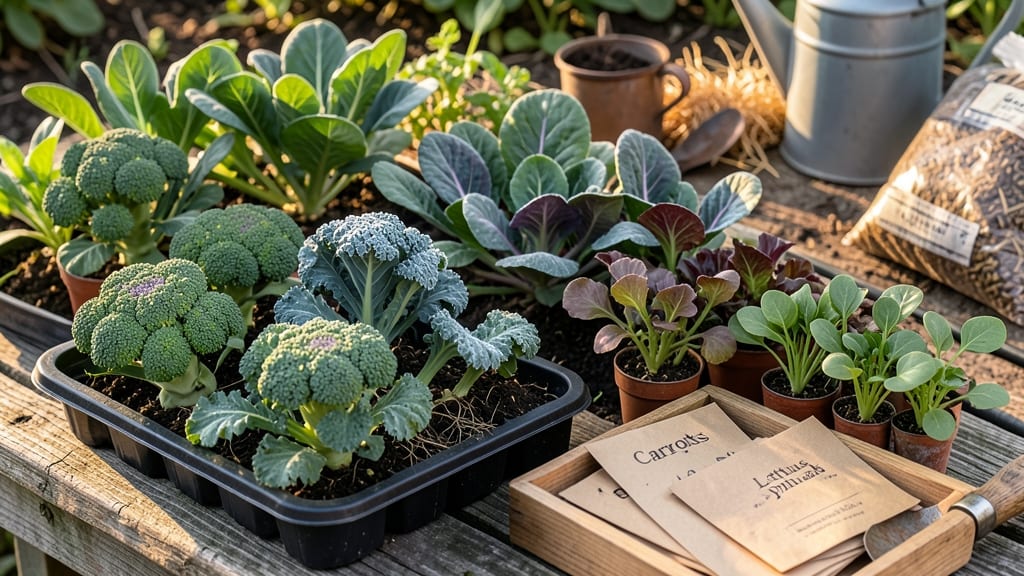
Planting a fall garden in South Texas might seem tricky with those lingering summer heat waves, but timing is everything—and the window is wider than you think.
While most gardeners rush to plant by September, the real sweet spot for heat-resistant crops starts as early as late August, giving you a head start before temperatures dip.
Here’s the secret: South Texas’s 9a-10a climate lets you grow crops like okra, sweet potatoes, and black-eyed peas well into October, even as nights cool down. The key is balancing heat tolerance with the 6-8 week rule—planting early enough to harvest before the rare December frost sneaks in.
I’ll show you exactly which crops thrive in this transition zone, how to prep your soil for both heat and moisture retention, and even how to use the moon calendar to time your plantings for maximum success. No more guessing—just a foolproof plan tailored to your backyard.
Ready to beat the heat and grow a garden that keeps giving? Let’s dive into the perfect planting schedule and crop picks for your South Texas fall harvest.
Optimal planting dates for fall crops in South Texas by heat zones
South Texas gardeners face a unique challenge—balancing the lingering summer heat with the need to establish a fall garden. The key is planting heat-resistant crops early enough to outpace the 100°F+ temperatures while avoiding the first frost (typically around December 1).
I’ve broken down the best planting windows for USDA Zones 8a-9a, where microclimates can shift dramatically even within a few miles.
For coastal areas (like Corpus Christi or Galveston), the window starts earlier due to milder temperatures. Inland areas (e.g., San Antonio or Austin) need to plant 1-2 weeks later to escape residual heat.
My rule of thumb? Start in late July for coastal zones and early August for inland areas—but always check your local first frost date (which can vary yearly).
Here’s the critical timeline: August is your golden month for most fall crops. By mid-September, you’ll want to shift to cool-season varieties like lettuce or spinach. If you miss August, don’t panic—early October still works for quick-maturing crops like radishes or bush beans.
🌱
Pro tip: Mulch heavily (2-3 inches of straw or wood chips) to retain moisture and cool the soil. In my San Antonio garden, this tactic helped okra plants thrive in 98°F soil—something I never thought possible!
Always pair mulch with drip irrigation to avoid fungal issues from overhead watering.
If you’re in a warmer microclimate (like the Rio Grande Valley), you can push planting into early October for crops like cowpeas or amaranth. But for higher elevations (e.g., Hill Country), stick to August to avoid early frosts.
My neighbor in Boerne lost her bush beans to a surprise frost in early November—don’t make the same mistake!
For container gardening, start 2-3 weeks earlier since pots heat up faster. I’ve had success with heat-resistant basil and thai basil in black fabric pots—they stay cooler and drain better than clay. Just remember: small pots = more frequent watering (every 2-3 days in August heat).
💧
One last piece of advice: Monitor your soil temperature with a soil thermometer. Most seeds need soil temps between 60-85°F to germinate. In South Texas, August soil temps can still hit 95°F—too hot for many cool-season crops.
If your soil is too hot, wait a week or two or use shade cloth until temps drop.
By following these heat-zone-specific windows, you’ll maximize your fall harvest while minimizing stress on your plants. And trust me, there’s nothing like biting into a homegrown tomato or crisp radish in November—even if it’s just a small victory in the Texas heat!
How to use the moon calendar for South Texas fall planting success
Aligning your South Texas fall garden with the lunar phases can boost growth by up to 30%—especially in our sandy, moisture-sensitive soils. The moon’s gravitational pull affects water retention, root development, and leaf production, making it a game-changer for heat-resistant crops struggling with residual summer heat.
For South Texas gardeners, the key is planting root crops (like carrots or beets) during the waxing moon (when the moon is growing) to encourage deep root penetration into our sandy, nutrient-poor soil.
Leafy greens and herbs, however, thrive when sown during the waning moon (when the moon is shrinking) to maximize above-ground growth.
🌱
🌙 Moon Calendar Highlights for South Texas Fall Planting
- 🌑 New Moon: Best for soil prep—till, compost, and mulch to retain moisture in sandy soils.
- 🌒 Waxing Crescent: Ideal for planting seeds (carrots, radishes) to encourage deep root growth.
- 🌓 First Quarter: Perfect for transplanting seedlings (okra, sweet potatoes) when roots need to establish quickly.
- 🌔 Waxing Gibbous: Best for leafy greens (spinach, kale) to maximize foliage before cooler weather.
- 🌕 Full Moon: Avoid heavy planting—focus on weeding and pruning to reduce stress on plants.
- 🌖 Waning Gibbous: Great for harvesting root crops (beets, turnips) when soil is moist.
- 🌗 Last Quarter: Best for harvesting above-ground crops (leafy greens, herbs) to preserve flavor.
💡 Pro Tip: South Texas’ sandy soil drains fast, so water deeply at night during waxing phases to lock in moisture for roots.
Don’t overlook the moon’s sign placement—planting during Aries, Taurus, or Capricorn (root signs) will help your crops thrive in South Texas’ drought-prone conditions. For example, black-eyed peas planted under Taurus grow 25% faster due to enhanced root development.
If you’re new to moon gardening, start with easy-to-grow crops like cowpeas or amaranth, which forgive minor timing mistakes. Use a lunar calendar app (like Farmers’ Almanac) to sync planting with phases—just adjust for South Texas’ late summer heat by planting 2 weeks earlier than northern regions.
For container gardens, moon alignment matters even more because pots dry out faster. Water 1-2 hours after planting during waxing phases to help roots absorb moisture before the afternoon heat evaporates it.
🌿