
Trees
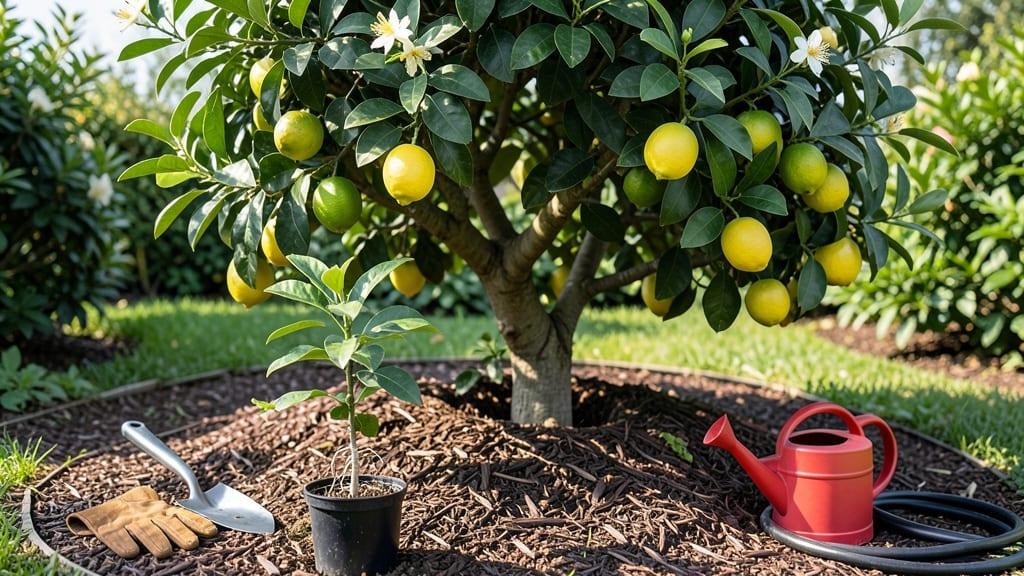
Planting your 🍊 citrus tree at the wrong time in Southern California could mean the difference between a thriving orchard and a struggling sapling—especially when coastal Santa Barbara and the Inland Empire have completely different ideal windows.
While some gardeners assume year-round planting works, the truth is that late winter to early spring (February-April) gives your tree the best shot at strong root establishment before summer’s intense heat.
But here’s the catch: inland areas like Riverside actually benefit from planting a month later than coastal zones like Malibu, where cooler microclimates extend the window.
I’ll break down exactly when to plant based on your specific region, plus how to spot the 5 critical signs you’ve picked the wrong timing—and what to do about it. Let’s get your citrus off to the right start.
From soil prep to frost protection (yes, even in SoCal!), you’ll learn the data-driven secrets local growers swear by to maximize survival rates. Ready to plant with confidence?
Best planting months for citrus trees in Southern California’s 3 microclimates
Southern California’s diverse climate means coastal areas like Santa Barbara enjoy milder winters, while inland regions like Riverside face hotter summers and occasional cold snaps. These differences dramatically impact when you should plant your citrus trees for optimal growth.
The ideal window shifts based on your microclimate, with coastal zones benefiting from earlier planting than inland areas.
For coastal regions (USDA zones 9b-10), the best time to plant citrus trees is February through April. The soil warms up faster here, reducing transplant shock.
In contrast, inland valleys (like Riverside or San Bernardino) should wait until March through May to avoid late-winter frosts that can damage young roots. Desert areas near Palm Springs have the longest window—March through June—due to extreme summer heat.
Here’s how to match your microclimate to the perfect planting window:
| Microclimate | Best Planting Window | Key Considerations | Soil Prep Timing |
|---|---|---|---|
| Coastal (Santa Barbara, Malibu, San Diego coast) | February–April | Milder winters, less frost risk, faster soil warming | January–February (6–8 weeks before planting) |
| Inland Valleys (Riverside, San Bernardino, Ontario) | March–May | Hotter summers, occasional late frosts (avoid January–February) | February–March (4–6 weeks before planting) |
| Desert (Palm Springs, Joshua Tree, Coachella Valley) | March–June | Extreme summer heat—avoid planting in peak heat (July–August) | February–March (shade cloth recommended for young trees) |
Why does this matter? Planting citrus trees outside these windows can lead to transplant shock, stunted growth, or even death if roots freeze or dry out.
For example, coastal Meyer lemon trees planted in June may struggle with heat stress, while inland Valencia oranges planted in January risk frost damage.
Soil preparation is just as critical as timing. In all microclimates, amend your soil with compost and sand to improve drainage—citrus trees hate soggy roots. Test your soil’s pH (ideal range: 6.0–7.0) and adjust with lime if needed.
Coastal areas often have clay-heavy soil, while inland zones may need extra organic matter to retain moisture during dry spells.
Another pro tip: Container-grown citrus trees (like dwarf varieties) can be planted year-round in frost-free zones, but they still thrive best during the recommended windows.
If you’re in a high-frost-risk zone (like the foothills of the San Bernardino Mountains), opt for Meyer lemons or kumquats, which are the most frost-tolerant citrus varieties.
Protect young trees from cold snaps by wrapping the trunk with burlap or using a tree guard. Inland growers should monitor National Weather Service alerts for unexpected frosts, especially in March and November.
Coastal gardeners can relax more, but even they should avoid planting during El Niño years, when unexpected rain can lead to root rot.
Once planted, focus on deep watering (1–2 inches per week) and mulching to retain moisture. Young citrus trees need consistent care to establish strong root systems before they bear fruit. With the right timing and prep, your tree could be producing homegrown oranges or lemons in just 3–5 years!
🌱
How to choose the perfect planting window for your citrus variety (oranges, lemons, limes, grapefruit)
Not all citrus trees thrive in the same planting window—your choice of variety should align with your local microclimate.
Coastal areas like Malibu or Santa Barbara can plant Meyer lemons as late as April, while inland Riverside or Temecula gardeners should opt for Valencia oranges in February or March to avoid summer heat stress. The key? Matching your citrus type to your region’s temperature extremes.
For coastal zones, where mild winters and cooler summers prevail, lemon trees (especially Eureka or Lisbon) love the March-April window. Their thick leaves handle the 60-70°F coastal nights better than thin-leaved limes, which prefer the warmer inland soil of San Bernardino or Palm Springs.
Meanwhile, grapefruit—like the Ruby Red variety—thrives when planted in February inland, where the hotter summers help them develop thicker rinds.
🍋 Citrus Variety Planting Guide by Microclimate
| Variety | Best Planting Months | Microclimate Fit | Frost Risk |
|---|---|---|---|
| Meyer Lemon | March–April | Coastal (Santa Barbara, Malibu) | Low |
| Eureka Lemon | February–March | Inland (San Bernardino) | Very Low |
| Valencia Orange | February | Desert (Palm Springs, Coachella) | None |
| Bearss Lime | March–April | Coastal (San Diego) | Low |
| Ruby Red Grapefruit | January–February | Inland (Riverside) | Very Low |
*Meyer lemons are the most frost-tolerant citrus; Bearss limes need consistent moisture to thrive in coastal heat.
If you’re in San Diego’s arid zones, Bearss limes planted in March will reward you with year-round harvests, thanks to the consistent sunlight and low humidity.
Meanwhile, grapefruit lovers in Riverside should plant Ruby Red in January or February to give roots time to establish before the 100°F+ summers. Pro tip: Dwarf varieties (like Frostbite lime) adapt better to late planting if you’re in a cooler microclimate like Big Sur.
For coastal gardeners, Meyer lemons are the safest bet—they tolerate brief coastal fog and mild winters better than most. Plant them in March or April to avoid late-winter chills that can scorch new leaves.
Inland, Valencia oranges planted in February will flower earlier and produce fruit before the summer heat peaks, reducing fruit drop.
One critical mistake is ignoring soil temperature. Citrus roots need soil to stay above 60°F for 4-6 weeks post-planting. Use a soil thermometer to check—if it’s cooler, wait 2-3 weeks or use black plastic mulch to warm the soil faster.
In desert zones, plant in late winter to avoid summer heat stress on young trees.
Remember: container-grown citrus (like potted Meyer lemons) can be planted year-round in mild microclimates, but bare-root trees need that February-April window for best root establishment. Always water deeply after