
Plants
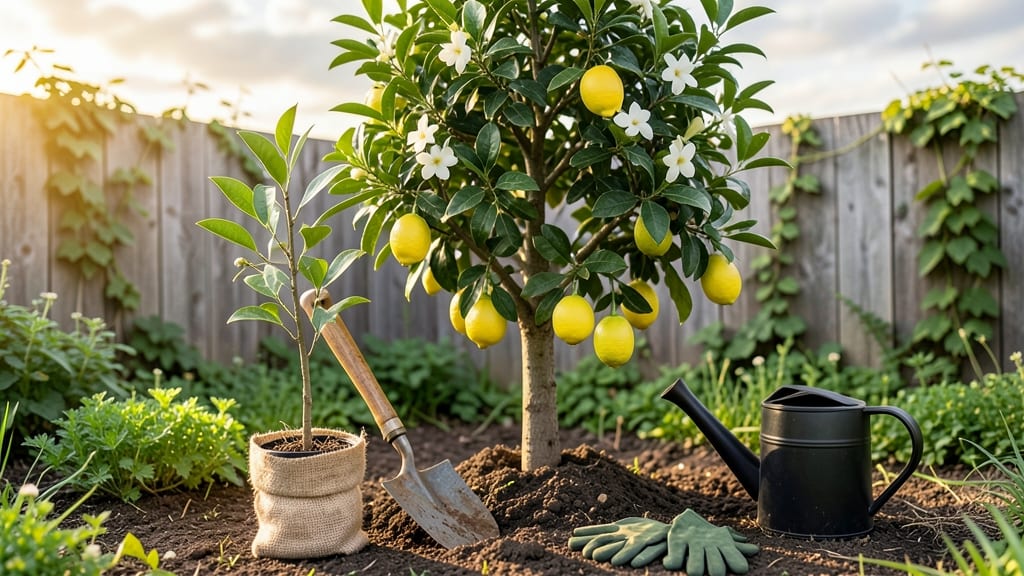
Planting a lemon tree 🍋 in California isn’t just about grabbing a sapling and sticking it in the ground—it’s about mastering the perfect timing to ensure your tree thrives.
With coastal fog and inland heat creating wildly different growing conditions, choosing the wrong season could mean struggling with frost damage or stunted growth.
Most gardeners assume spring is the only ideal window, but California’s microclimates actually allow for year-round planting with a few key adjustments. Whether you’re in USDA Zone 9-11 or a milder coastal area, knowing when to plant makes all the difference between a thriving citrus tree and a disappointed gardener.
In this guide, I’ll break down the best months for coastal vs. inland planting, how to prep your soil, and why some regions can plant even in winter. By the end, you’ll know exactly when to dig in for that first juicy harvest.
Ready to turn your backyard into a lemon grove? Let’s get started with the timing secrets that work for California’s diverse climate.
Optimal planting months for lemon trees in California’s coastal vs inland zones
California’s microclimates create a complex puzzle for lemon tree planting. The coastal fog belt (like San Francisco) stays mild year-round, while inland areas (like Los Angeles) experience hot summers and rare winter frosts. This means your planting window depends entirely on where you live.
For coastal California, the ideal planting months stretch from November through March. The cooler, damp air reduces transplant shock, and the mild temperatures (rarely below 40°F) protect young roots. Inland areas, however, should wait until February through April to avoid late-winter frosts that can kill tender citrus.
Here’s the key difference: Coastal lemon trees can be planted almost year-round with minimal risk, while inland trees need to dodge the December-January frost window. Even a single night below 28°F can be fatal to young citrus.
🌱
If you’re in Southern California (e.g., San Diego, Riverside), you can plant year-round with container-grown trees, as they adapt faster to temperature shifts. But for in-ground planting, stick to the February–April window to align with natural rainfall and soil warmth.
Pro tip: Check your local frost dates via the USDA Plant Hardiness Zone Map. Even a single night below 30°F can stunt growth or kill young trees. Use frost cloth if planting in late winter in inland areas.
For coastal gardeners, the November–January window is perfect because the foggy mornings reduce transplant shock. Inland gardeners should avoid October–December entirely, as cold snaps are most likely during these months.
🌿
One critical factor often overlooked is soil temperature. Lemon trees thrive when soil stays above 60°F (16°C). Inland areas hit this mark by late February, while coastal soils may stay cooler longer due to ocean breezes.
Use a soil thermometer to confirm readiness—planting too early in cold soil can stunt root growth for months.
Another regional hack: Inland areas with hot summers (like Bakersfield) benefit from fall planting (September–October) for container trees. This lets roots establish before the next summer’s heat, reducing stress during the critical first year.
Finally, container planting extends your window. Potted lemon trees can be moved indoors during winter frosts or placed near heat sources in urban areas. This flexibility lets you plant any month if you’re prepared to adjust locations seasonally.
☀️
Optimal planting months for lemon trees in California’s coastal vs inland zones
California’s climate creates two distinct worlds for lemon trees: the coastal regions with mild winters and high humidity, and the inland areas with hot summers and cooler nights. These differences mean your planting window should shift based on where you live.
For coastal gardeners, the best time to plant is between November and March, while inland growers should aim for February through April.
Coastal areas like San Francisco and Santa Barbara enjoy frost-free winters, allowing lemon trees to establish roots year-round. However, planting in late fall or winter gives young trees time to settle before summer heat arrives.
Inland zones, such as Los Angeles and San Diego, benefit from warmer soil in early spring, which speeds up root growth and reduces transplant shock.
Here’s how to match your planting timeline to your microclimate:
| Factor | Coastal Zones (USDA 9-10) | Inland Zones (USDA 9-11) |
|---|---|---|
| Best Planting Window | November–March | February–April |
| Soil Temperature | 50–60°F (cooler) | 60–70°F (warmer) |
| Frost Risk | None (rare below 32°F) | Possible (Dec–Jan) |
| Humidity Levels | High (60–80%) | Low (30–50%) |
| Root Establishment Time | 6–8 weeks | 4–6 weeks |
Avoid planting during summer months in inland areas, as the intense heat can stress young trees. Coastal gardeners can plant year-round, but late spring (May–June) is riskier due to increased fungal diseases from humidity.
If you’re in a transition zone (e.g., Orange County), split the difference: plant in late winter or early spring for a balance of soil warmth and humidity.
For container-grown lemon trees, timing is less critical, but still follow these guidelines. Containers warm up faster in spring, so inland growers can plant as early as January if using a heat mat or greenhouse.
Coastal gardeners can plant containers anytime, but late fall helps prevent root rot from winter rains.
Pro tip: Check your local frost dates (even coastal areas can dip below 32°F in extreme years). If frost is forecasted within 4–6 weeks of planting, delay until spring. Use a frost cloth for added protection if you’re in a marginal zone.