
Flowers
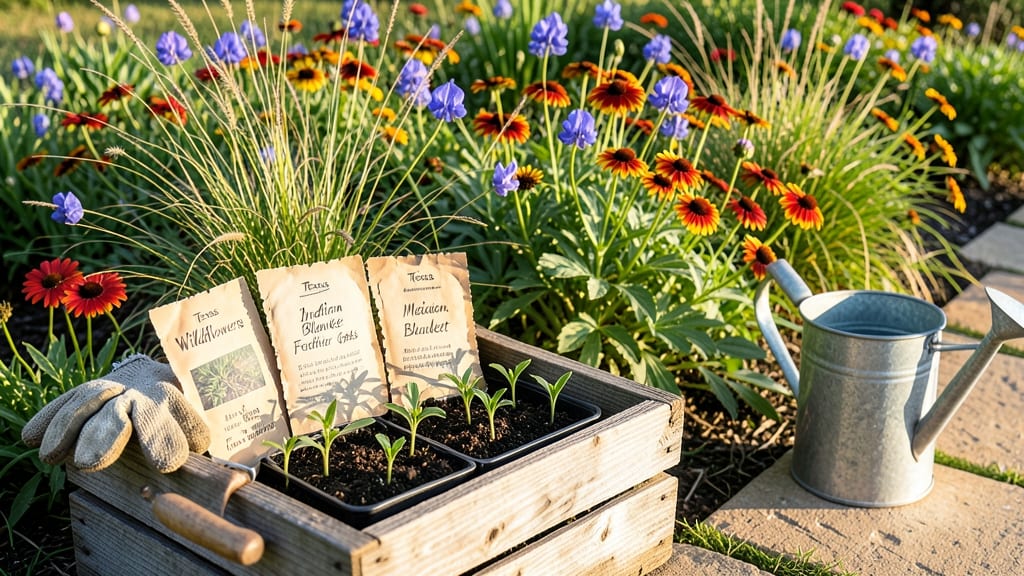
Timing your flower seed planting in Texas wrong could mean the difference between a vibrant garden and a sad, wilted disappointment. With Texas' unpredictable weather—from late frosts in North Texas to scorching summer heat—knowing exactly when to sow is the key to success.
I've spent years helping Texas gardeners navigate these challenges, and what I've learned is that your location matters more than you think. Whether you're in the humid East or the arid West, understanding your microclimate and soil temperature is the first step to planting with confidence.
In this guide, you'll discover the perfect planting windows for your specific region, plus expert tips for soil prep and watering that actually work in Texas conditions. Let's make sure your garden blooms on time, not too soon or too late.
We'll cover everything from frost-free dates to heat-resistant varieties, so you can plant with precision and watch your flowers thrive all season long. Ready to get started?
Texas flower seed planting calendar by region: frost dates & soil temperature zones
Texas spans 10 distinct planting zones (A-F), each with unique last-frost dates and soil temperature requirements. North Texas (Zone A) typically waits until March-April, while South Texas (Zone F) can start as early as January.
The key? Planting when soil reaches 50°F-75°F—too cold, and seeds rot; too hot, and they bolt.
For annual flowers, aim for 4-6 weeks before last frost in your zone. Perennials, however, often need fall planting for root establishment before winter. Texas' humidity gradients (East vs. West) also shift timing—East Texas may need earlier watering to combat fungal risks, while West Texas demands drought-tolerant varieties.
Here’s how to decode your zone’s planting window using soil temp and frost data:
| Zone | Last Frost Date | Ideal Soil Temp | Best Planting Month | Notes |
|---|---|---|---|---|
| A (North) | March 15-April 15 | 50°F-60°F | March-April | Cold-sensitive; use row covers. |
| B (Central) | February 28-March 31 | 55°F-65°F | February-March | Humidity spikes; mulch heavily. |
| C (East) | February 15-March 1 | 60°F-70°F | January-February | Fungal risks; space plants wider. |
| D (South) | January 15-February 1 | 65°F-75°F | December-January | Heat-tolerant; water deeply. |
| E (West) | February 1-March 15 | 50°F-60°F | February-March | Drought-prone; use mulch. |
| F (Southwest) | January 1-February 15 | 70°F-80°F | November-December | Year-round planting possible. |
For container gardening, adjust timing by 2-3 weeks earlier—pots warm faster. Always check seed packets for days to germination; faster germinators (like marigolds) can handle cooler soil, while petunias need warmer temps.
Pro tip: Use a soil thermometer—plant when temps hit 60°F+ for most annuals. In Zone A, this often means waiting until late April, while Zone F gardeners can start in November. Native Texas flowers (like bluebonnets) are your best bet for low-maintenance timing.
Remember: Texas’ unpredictable weather means flexibility. If a cold snap
Microclimate secrets: how urban heat islands, elevation & wind affect flower seed success
Texas’ diverse microclimates mean your neighbor’s planting schedule might not work in your yard. Urban areas like Austin or Houston can be 5–10°F warmer than rural zones, while mountain regions like the Davis Mountains stay cooler.
These differences shift ideal planting windows by 2–4 weeks—so adjust your calendar before sowing.
For example, East Texas’ humidity demands faster watering, while West Texas’ drought requires mulch to retain moisture. Even elevation plays a role: coastal areas (Zone A) can plant 2 weeks earlier than North Texas’ Zone B, where late frosts linger into March.
Ignore these factors, and your seeds may bolt or fail entirely.
🌱
🌡️ Texas Microclimate Adjustments
- Urban Heat Islands: Plant 2–3 weeks earlier than rural zones.
- Mountain Regions: Delay planting by 1–2 weeks due to cooler temps.
- Coastal Areas: Start seeds 30–45 days before last frost.
- West Texas: Use drought-resistant mulch to protect seedlings.
💡 Pro Tip: Check your local AgriLife Extension for hyper-local frost data.
Wind exposure is another game-changer. Open fields in Panhandle regions (Zone B) need windbreaks, while urban containers in Dallas may dry out faster. If your yard gets consistent wind, opt for sturdy annuals like black-eyed Susans or coreopsis, which handle gusts better than delicate petunias.
Containers add another layer: potted flowers heat up 10–15°F faster than in-ground beds. To compensate, delay container planting by 1–2 weeks and use light-colored pots to reflect heat. Shade cloth can also buy you extra time in Zone C areas where springs warm quickly.
Finally, soil temperature varies wildly. Use a soil thermometer—most flower seeds need 50–75°F soil to germinate. In North Texas, this might mean waiting until mid-April, while South Texas gardeners can start as early as February.
Test your soil before sowing to avoid cold-stress or heat shock.
🌿