
Flowers
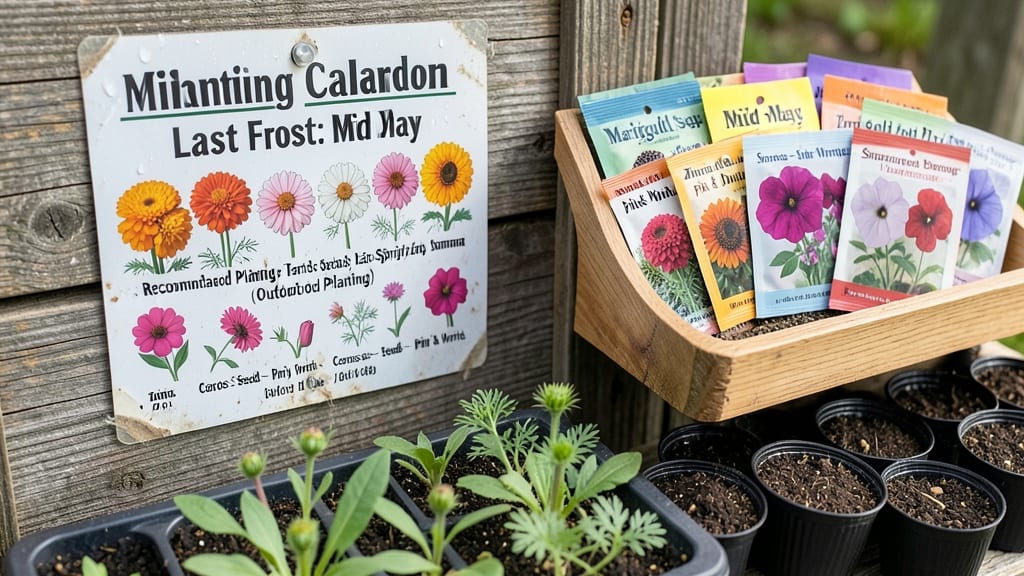
When to plant flower seeds in Michigan can feel like navigating a high-stakes game of Mother Nature’s roulette—get the schedule wrong, and frost will turn your tender sprouts into sad, icy souvenirs. The difference between a showstopping garden and a sad, wilted disappointment often comes down to knowing exactly when to press those seeds into the soil.
Michigan’s 5b-6b zones throw a curveball with their unpredictable frost dates, but don’t let that scare you off. Whether you’re dreaming of vibrant annuals or hardy perennials, the key is understanding your local microclimate—whether you’re in the Upper Peninsula’s cooler shadows or the Lower Peninsula’s slightly warmer stretches.
I’ll walk you through the precise windows for spring and fall planting, so you can avoid the heartbreak of a late frost wiping out your hard work.
You’ll learn how to time your 🌸 flower seeds for maximum bloom potential, from starting cool-season varieties indoors to direct-sowing heat-lovers once the soil warms up.
No more guessing games—just science-backed strategies tailored to Michigan’s quirks, including how to stretch your growing season with simple tricks like row covers or strategic watering.
Ready to turn your garden into a year-round paradise? Let’s dive into the exact frost-free timeline and variety-specific tips that’ll have your flowers thriving from spring to fall—no matter where in Michigan you call home.
Michigan’s frost-free timeline: exact weeks to plant flower seeds by Zone 5b/6a
Michigan’s Zone 5b/6a climate means your flower seeds must hit the ground at just the right moment—too early and frost will claim them, too late and summer’s short window slips away.
The key is understanding your last frost date, which typically ranges from mid-April in southern Michigan to early May in the Upper Peninsula. For most gardeners, this means late April to early June is your prime window for direct sowing, but cooler-season flowers can start even earlier.
Don’t forget about fall planting either! Many hardy annuals and perennials thrive when sown in August or early September, giving them time to establish roots before winter. This strategy extends your bloom time and saves you from next spring’s rush.
The goal? Plant when soil temperatures hit 50°F+—a critical threshold for seed germination in Michigan’s unpredictable climate.
🌱
| Planting Window | Soil Temp Threshold | Best For | Notes |
|---|---|---|---|
| Late March - Early April (Indoors) | Room temp (65-75°F) | Annuals, tender perennials | Start 6-8 weeks before last frost |
| Late April - Early May | 50°F+ | Cool-season flowers (pansies, snapdragons) | Direct sow after last frost risk passes |
| Mid-May - Early June | 60°F+ | Warm-season annuals (marigolds, zinnias) | Wait for consistent warm temps |
| August - Early September | 55°F+ | Hardy annuals, fall-blooming perennials | 6-8 weeks before first frost |
Your USDA Zone 5b/6a designation isn’t just a number—it dictates which flowers will thrive with minimal fuss. For example, Zone 5b (southern Michigan) has about 150 frost-free days, while Zone 6a (northern Michigan) stretches that to roughly 160 days.
This difference means you can push your planting window 1-2 weeks later in the north, but you’ll need to choose faster-maturing varieties to compensate.
Microclimates add another layer to Michigan’s gardening puzzle. A south-facing slope warms up faster than a shady valley**, so you might plant 2 weeks earlier in sunny spots. Urban areas also tend to be 3-5°F warmer than rural zones, thanks to the "heat island" effect.
Use these microclimate advantages to your benefit—plant heat-loving flowers like cosmos or sunflowers in warm pockets, while saving cooler-loving foxgloves or lupines for shadier areas.
One of my biggest mistakes early on was ignoring soil temperature and planting too soon. A soil thermometer (just $15 at garden centers) is your best friend—aim for 50°F for cool-season flowers and 60°F+ for warm-season varieties.
Cold soil slows germination and invites rot. Pro tip: If your soil is still chilly in May, try black plastic mulch to warm it up faster—it can raise soil temps by 5-10°F in just days.
For perennials and bulbs, timing shifts slightly. Plant spring-blooming bulbs like tulips or daffodils in fall (October-November), while summer-blooming perennials (like coneflowers) can go in early spring. The rule of thumb?
Get bulbs in the ground 6 weeks before the ground freezes—usually by mid-October in southern Michigan and early October in the north. This gives roots time to establish before winter.
🌿
Don’t let Michigan’s unpredictable weather throw you off track. Check the National Weather Service’s frost forecast or local Michigan State University Extension updates for real-time adjustments. If a late frost is predicted, cover delicate seedlings with frost cloth or move potted plants to a sheltered spot.
And remember: slow and steady wins the race. It’s better to plant a few seeds perfectly timed than to rush and lose your entire batch to frost.
Finally, keep a gardening journal to track your planting dates and success rates. Note which flowers thrive in your specific microclimate and adjust future years accordingly. Over time, you’ll develop a customized planting schedule that outperforms generic zone guidelines—because your backyard’s microclimate is unique, just like your garden!
Best flower seed varieties for Michigan’s short growing season (ranked by hardiness)
Michigan’s Zone 5b/6a climate demands hardy flower varieties that thrive despite short growing seasons and unpredictable frosts. I’ve curated the top-performing annuals, perennials, and bulbs that consistently deliver vibrant blooms while withstanding Michigan’s cool nights and variable weather.
These picks are battle-tested for both southern Michigan’s milder winters and the Upper Peninsula’s colder snaps.
For early-season color, prioritize cold-tolerant annuals like snapdragons and pansies, which can handle light frosts and bloom as early as May. Perennials such as coneflowers and black-eyed Susans establish strong roots in spring, then reward you with months of summer blooms before fading into dormancy.
Bulbs like tulips and daffodils are non-negotiable—they naturalize beautifully and return year after year with minimal effort.
🌱
🌸 Top Flower Varieties for Michigan (Ranked by Cold Hardiness)
*Cold tolerance based on USDA Zone 5b/6a thresholds. Always check seed packets for specific variety details.
If you’re aiming for continuous blooms, combine early spring bloomers like crocuses and hyacinths with summer perennials like shasta daisies and bee balm. For late-season interest, asters and goldenrod thrive in Michigan’s cool autumn air and provide nectar for pollinators when other flowers fade.
For low-maintenance gardens, native wildflowers like purple coneflower and butterfly weed are excellent choices—they require minimal watering, attract pollinators, and thrive in poor soil. These varieties also support Michigan’s ecosystems by providing food for bees, butterflies, and hummingbirds.
My pro tip: Pair tall varieties like delphiniums with shorter fillers such as alyssum or lobelia to create textured, layered displays. This strategy maximizes vertical space and ensures no bare spots in your beds.
For container gardens, opt for compact petunias or geraniums, which bloom prolifically in limited root space.
Don’t overlook biennials like foxgloves and hollyhocks—they establish roots in their first year and reward you with dramatic spikes of flowers in their second. These are perfect for Michigan’s short growing season because they store energy underground during winter, then burst into bloom the following year.
🌿