
Flowers
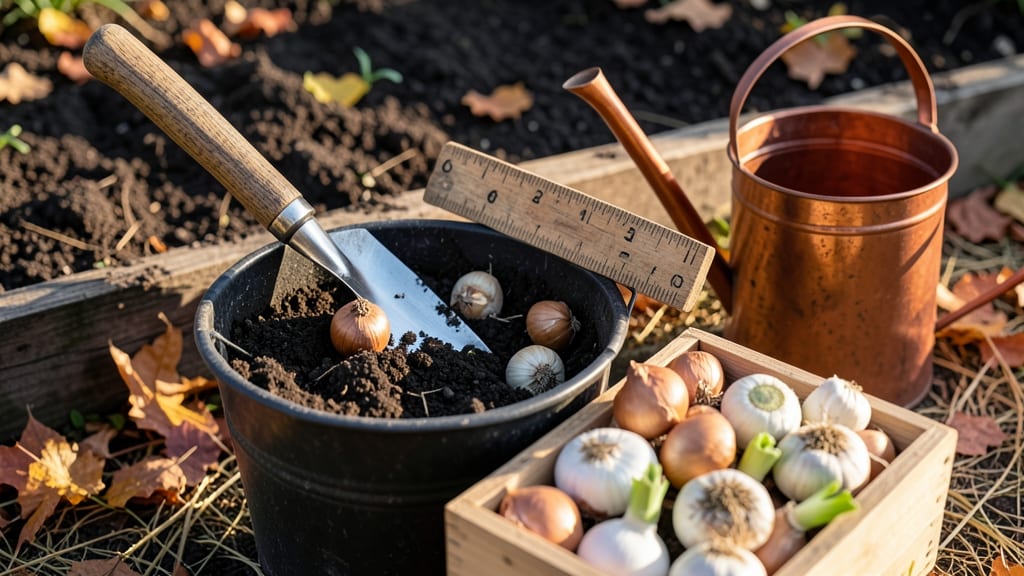
Timing your planting of flower bulbs 🌷 in autumn isn't just about following a calendar—it's about unlocking the secret to perfect spring blooms that will make your garden the envy of the neighborhood.
Most gardeners in USDA Zone 6a know the magic happens when you plant 6-8 weeks before the first frost, but did you know that missing this window by even a few weeks could mean weaker blooms—or no blooms at all?
I'll show you exactly how to calculate your local chill-hour requirements and avoid common mistakes that kill bulbs before they even get a chance to sprout.
Whether you're a seasoned gardener or just starting, these insights will help you transform your fall planting into a springtime showstopper—without the guesswork.
Autumn planting timeline by USDA hardiness Zones: exact dates for chill-hour success
Planting flower bulbs in autumn isn’t a one-size-fits-all task—your USDA hardiness zone dictates the perfect window. Most bulbs need 6-8 weeks before the ground freezes to establish roots. For tulips and daffodils, aim for September-October in cooler zones, while warm-climate gardeners (Zones 8-10) should plant in November-December.
Chill-hours—those critical 32-50°F periods—trigger bulb dormancy and spring blooms. Tulips often need 12-16 weeks of chill, while daffodils thrive with 8-12 weeks. Alliums are more flexible, tolerating 4-10 weeks of cooler temps. Miss these windows, and you risk weak or no flowers next spring.
Here’s how to align your planting with your zone’s chill-hour needs:
| USDA Zone | Ideal Planting Window | Chill-Hours Needed | Best Bulbs for Zone |
|---|---|---|---|
| Zones 3-5 | Late August–early October | 12-16 weeks | Tulips, Hyacinths, Crocus |
| Zones 6-7 | Mid-September–mid-October | 8-12 weeks | Daffodils, Alliums, Fritillaries |
| Zones 8-9 | October–November | 4-8 weeks | Rain Lilies, Cyclamen, Snowdrops |
| Zone 10 | November–December | 2-4 weeks | Miniature Daffodils, Spanish Bluebells |
🌱 Pro Tip: Check your local last frost date—plant bulbs 4-6 weeks before it!
For example, in Zone 6a (like much of the Midwest), your ideal window is September 15–October 15. Plant tulips too early, and they’ll sprout and freeze before winter. Plant too late, and their roots won’t anchor deeply enough for spring’s nutrient rush.
In warmer zones (8-10), like Southern California or Florida, the ground may never fully freeze. Here, focus on short-chill bulbs like rain lilies or cyclamen, which bloom with minimal cold exposure. These varieties thrive when planted in late fall, avoiding summer’s heat stress.
Microclimates add another layer—urban areas with heat islands (like pavement-heated city centers) may need bulbs planted 2-3 weeks earlier than rural zones. Conversely, shady or high-altitude gardens can delay planting by 1-2 weeks since soil cools faster.
Use your finger as a guide: When soil at 6 inches deep feels cool but workable (like a ripe banana), it’s time to plant. A soil thermometer ($10 at garden centers) removes the guesswork—aim for 50-60°F.
If you’re in Zone 5 or colder, prioritize hardy bulbs like daffodils or alliums, which survive -20°F temps. In Zone 7+, you can experiment with tender bulbs like cannas or gladiolas, but plant them in containers for winter protection.
Don’t let early autumn rains delay your planting—bulbs rot in soggy soil. If rain is forecast, plant and mulch immediately to protect newly placed bulbs. A 2-inch layer of straw or pine needles keeps soil temps stable and deters rodents.
Mark your calendar now: September 20th is the sweet spot for most U.S. gardeners. By then, soil has cooled, and bulbs have a full 8-10 weeks to root before winter. Miss it, and you’ll be playing catch-up with weak, late blooms next spring.
Autumn planting timeline by USDA hardiness Zones: exact dates for chill-hour success
Autumn is your golden window to plant flower bulbs, but the exact timing depends on your USDA hardiness zone. Most bulbs need 6-8 weeks before the ground freezes to establish roots.
In Zones 3-5, aim for early September—tulips and daffodils thrive with 1000-1500 chill-hours—while Zones 6-7 can wait until mid-October for 500-800 chill-hours. Warmer Zones 8-10 may need late October to November plantings to avoid winter rains.
Your local first frost date is your deadline. Check the National Weather Service or Old Farmer’s Almanac for your area.
For example, in Zone 6a (like Chicago), plant by mid-October; in Zone 9a (like Orlando), wait until November. Hyacinths and alliums handle shorter chill periods better than tulips, so adjust your mix accordingly.
| Zone | Chill-Hours Needed | Planting Window | Best Bulbs |
|---|---|---|---|
| 3-5 | 1000-1500 | Early Sept - Mid-Oct | Tulips, Daffodils, Hyacinths |
| 6-7 | 500-800 | Mid-Sept - Late Oct | Alliums, Crocus, Snowdrops |
| 8-10 | 300-500 | Late Oct - Nov | Rain Lilies, Cyclamen |
*Adjust for microclimates (e.g., urban areas may need earlier planting).
For urban gardeners, soil can stay warmer due to heat islands. Test soil temperature with a thermometer—aim for 40-50°F at planting depth (6" down).
If your soil is still warm, wait 1-2 weeks. Container gardeners can plant slightly later since pots cool faster, but ensure drainage holes are present to prevent rot during winter rains.
Pro tip: Layer bulbs for continuous spring color. Plant early bloomers (like crocus) first, followed by mid-season tulips, and top with late bloomers (like alliums). This creates a staggered bloom sequence from March to May.
Just remember: deeper bulbs (like tulips) go 6-8" deep, while shallower ones (like crocus) need only 3-4".
Don’t stress if your timing is slightly off. Bulbs can handle light frosts once planted, but avoid soggy soil. In Zone 10, where winters are mild, plant in November to skip the rainy season.
For Zone 3, prioritize early September to beat the early freeze. The key is root establishment before dormancy—soil temps matter more than calendar dates.
Once planted, mulch with 2-3 inches of straw to insulate bulbs and retain moisture. This protects them from temperature swings and soil heaving during freeze-thaw cycles. Come spring, you’ll be rewarded with bold, healthy blooms—proof that a little chill goes a long way! 🌷